GORAKHPUR, UTTAR PRADESH — In a major development for integrated public health, the Mahayogi Guru Gorakhnath AYUSH University in Gorakhpur is transitioning into a comprehensive healthcare hub by introducing digital telemedicine consultations, targeted cancer screening protocols, and centralized routine vaccination programs. Under direct administrative instructions from Uttar Pradesh AYUSH Minister Dr. Dayashankar Mishra Dayalu, the state’s premier traditional medical university is remodeling its clinical outreach after the integrated healthcare models utilized by Banaras Hindu University (BHU).
The structural move aims to create a streamlined clinical intersection where traditional Ayurvedic diagnostic methods work alongside modern, evidence-based allopathic screeners. For Indian medical practitioners, this framework provides an important case study on how standalone traditional medical institutions can be integrated into national preventive oncology and maternal health strategies.
[ Standardized Patient OPD Presentation ]
│
▼
[ Symptomatic Red Flag Screening by AYUSH Clinicians ]
(Chronic Oral Ulcers, Unexplained Weight Loss, Lumps)
│
▼
[ Real-Time Telemedicine Consultation ]
(Direct Video Link to Tertiary Oncologists)
│
┌───────────────────────┴───────────────────────┐
▼ ▼
[Biopsy & Diagnostics Within 7 Days] [Supportive Co-Management]
(Surgical / Allopathic Interventions) (Ayurvedic Therapies for Side Effects)
The Integrative Oncology Protocol: Early Detection Framework
According to Vice-Chancellor Dr. K. Ramachandra Reddy, the university’s outpatient departments (OPDs) will deploy a standardized cross-system screening matrix. AYUSH physicians handling general outpatients will be trained to actively screen for established early-stage oncological red flags, including non-healing oral ulcers (highly prevalent across rural Uttar Pradesh), persistent chronic cough, unexplained significant weight loss, and suspicious localized tissue lumps.
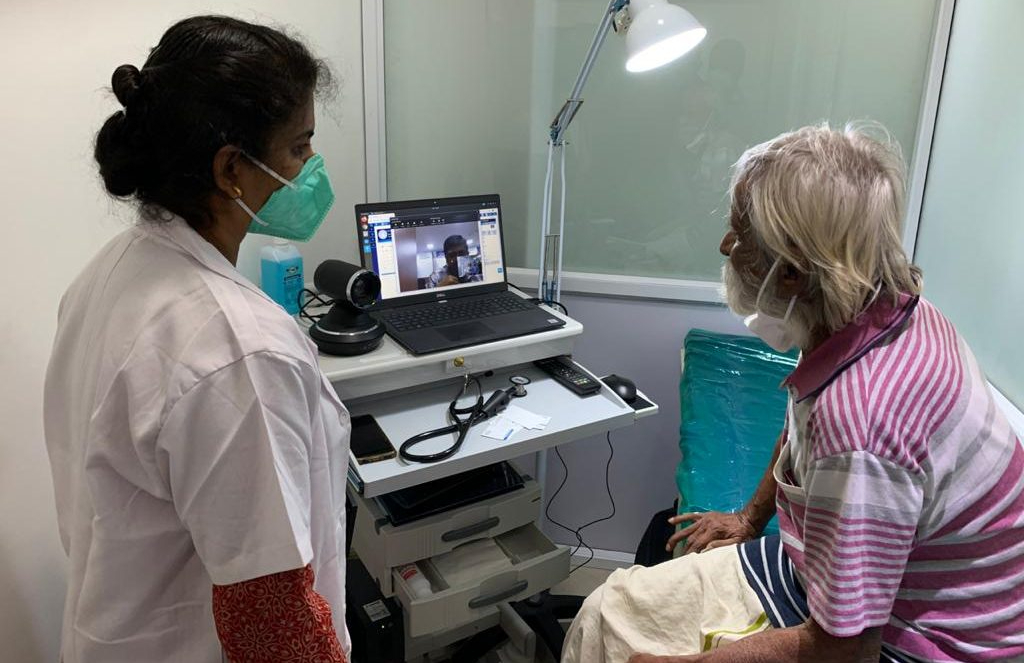
When a patient presents with these symptoms, the university will bypass traditional delay points through an advanced telemedicine facility. Rather than sending the patient away with a basic referral note, clinicians will immediately set up a real-time video consultation with oncology specialists at regional tertiary care centers.
If the specialist confirms the clinical suspicion, the university’s newly upgraded diagnostics wing will complete biopsy procedures or process direct super-specialty transfers within a strict seven-day window.
Once a definitive diagnosis is established, the care model follows a bi-directional approach: conventional allopathic protocols handle the primary surgical or chemotherapeutic interventions, while specialized Ayurvedic supportive therapies are introduced to help patients manage treatment-related toxicities, ease chemotherapy-induced nausea, and improve overall post-operative recovery.
Maternal and Child Immunization Restructuring
Beyond oncology, the university is entering primary preventive care by setting up allopathic maternal and child immunization programs within its AYUSH outpatient facilities. To ensure smooth execution, the university is signing a formal Memorandum of Understanding (MoU) with the state Health Department. Under this agreement, the state will supply standard cold-chain vaccines and deploy Auxiliary Nurse Midwives (ANMs) directly to the university campus.
| Target Patient Cohort | Clinical Interventions & Deliverables |
| Pregnant & Lactating Women | Comprehensive antenatal examinations coupled with mandatory Tetanus Toxoid (TT) immunizations. |
| Newborns & Infants | On-site delivery of baseline birth doses, including BCG and Hepatitis-B vaccines, with tracked follow-up schedules. |
| Adolescent Girls | Targeted school-age and walk-in drives for Rubella and Tetanus-Diphtheria (Td) immunizations. |
Systemic Takeaways for the Indian Medical Fraternity
The operational changes at Gorakhpur AYUSH University offer clear practical insights for hospital directors and modern practitioners throughout India:
- Leveraging Automated Diagnostics: To support this expanded clinical volume, the campus is introducing dual automated Health ATMs capable of screening over 60 essential health parameters—including ECG, blood sugar, and pulse rate—delivering digital reports via WhatsApp within 20 minutes. This automated screening helps ease the burden on central laboratory staff.
- Utilizing AYUSH Infrastructure for Early Detection: Given that late-stage presentations account for a significant percentage of cancer mortalities in India, training AYUSH clinicians to act as an organized screening network can help catch cases much earlier.
- Establishing Clear System Boundaries: The Gorakhpur model avoids the pitfalls of unstructured cross-practice by keeping roles distinct. AYUSH clinicians handle initial screening and supportive care, while definitive diagnostic procedures, telemedicine confirmations, and primary treatments remain strictly within the domain of qualified modern medical specialists.
As the university rolls out these integrated services, the resulting data will offer valuable evidence on whether combining traditional public health infrastructure with digital allopathic specialists can successfully improve early detection rates across rural populations.