FAIMA Demands Stronger Hospital Security, Strict Action Against Violence And Political Interference In Healthcare
Condemning the alleged brutal assault on a junior resident doctor at Government Medical College Jalaun, the Federation of All India Medical Association (FAIMA) has written to Union Health Minister Jagat Prakash Nadda, demanding urgent measures to curb VIP culture in hospitals and strengthen security protocols across healthcare institutions in the country.
In a letter dated May 20, 2026, FAIMA highlighted the recent incident in which a junior resident doctor on emergency duty was allegedly verbally abused, physically assaulted, and threatened by attendants of a patient reportedly linked to a political functionary. The association stated that such incidents are becoming increasingly common and are severely affecting the morale, safety, and functioning of healthcare professionals.
According to reports, CCTV footage of the incident allegedly showed the accused initiating the altercation, punching the doctor, and later attacking him with a nearby chair while several bystanders watched. Social media posts related to the incident claimed that the assault was connected to a local MLA.
FAIMA Raises Concern Over Growing VIP Pressure In Hospitals
Criticising the growing VIP culture in healthcare institutions, FAIMA said hospitals must function solely on the principles of medical ethics, triage, and clinical urgency. The association warned that pressure for preferential treatment based on political influence, status, or power compromises patient care and disrupts the healthcare delivery system.
The doctors’ body asserted that no patient should receive out-of-turn treatment because of political connections or influence.
Key Demands Made By FAIMA To The Union Health Ministry
In its letter to the Health Ministry, FAIMA sought immediate implementation of several measures to ensure the safety and dignity of healthcare workers across India. The demands included:
- Strict directions to all government and private hospitals against VIP interference in clinical decision-making and patient prioritisation.
- Restriction on unnecessary attendants and crowd gatherings inside hospital premises, especially during emergencies.
- Regulation or prohibition of mobile phone recordings in sensitive clinical areas to prevent intimidation, misinformation, and privacy breaches.
- Mandatory security protocols and controlled entry systems in hospitals to prevent mob gatherings after disputes or misunderstandings.
- Immediate legal action and strict penal consequences against individuals involved in violence, threats, or obstruction of healthcare services.
- National guidelines to ensure the safety and dignity of healthcare workers in all healthcare institutions.
“Hospitals Cannot Function Under Fear”: FAIMA
Speaking on the matter, Dr Sandeep Dagar, Patron of FAIMA Doctors Association, stressed that doctors must be allowed to work independently without political pressure or fear of violence.
He stated that hospitals cannot function under fear, pressure, or VIP influence, adding that doctors prioritise patients purely on the basis of medical urgency and clinical need, not political status or power.
Dr Dagar further warned that if healthcare professionals are unable to work safely and independently, the entire healthcare system and common patients would ultimately suffer.
Rising Violence Against Doctors Raises Safety Concerns
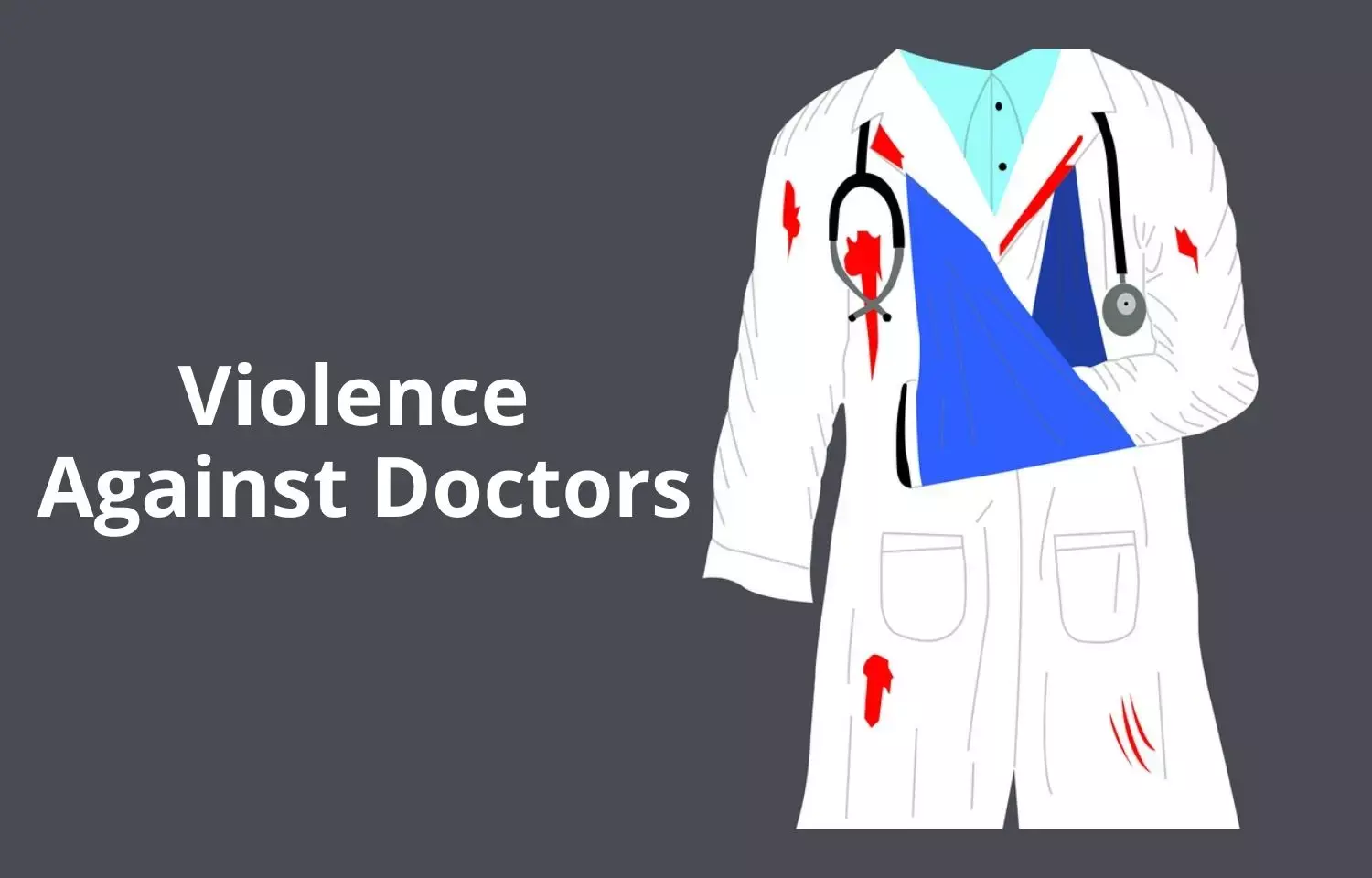
The incident at GMC Jalaun has once again brought attention to the rising number of violence cases against doctors and healthcare workers in India. Medical associations have repeatedly demanded stricter laws, better hospital security, and immediate action against those involved in attacks on healthcare staff.