Author: teamdoctorspost

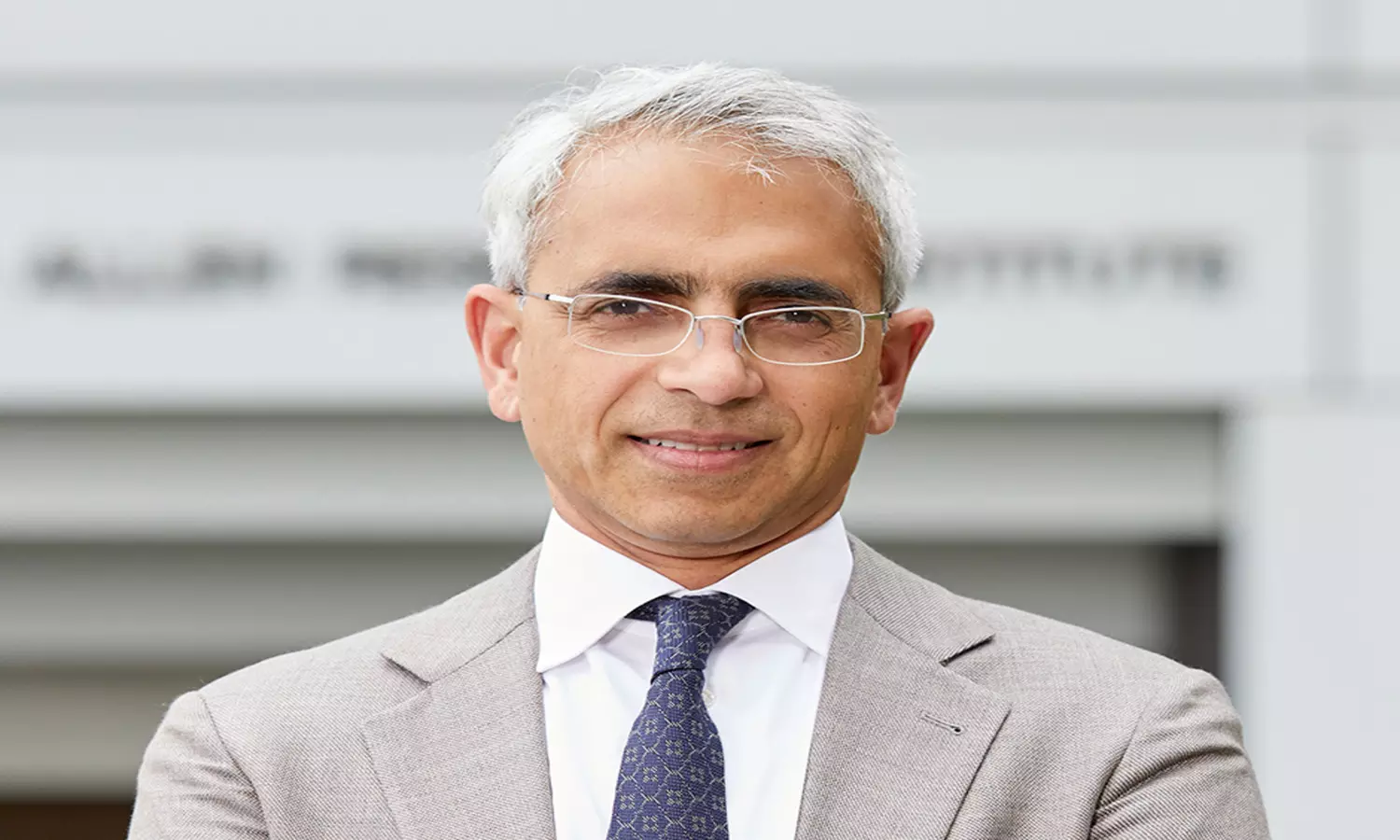
  • Dr Ravi Thadhani Appointed Executive Vice President, Chief Physician Executive and Dean of Medical Faculty at Cedars-Sinai

    Dr Ravi Thadhani Appointed Executive Vice President, Chief Physician Executive and Dean of Medical Faculty at Cedars-Sinai

    Renowned physician-scientist to lead clinical, academic and research programmes at one of the US’ top academic medical centres from September 1, 2026

    Dr Ravi Thadhani, an internationally recognised physician, scientist and academic leader, has been appointed as the Executive Vice President, Chief Physician Executive and Dean of the Medical Faculty at Cedars-Sinai, one of the leading academic medical centres in the United States.

    The appointment will take effect from September 1, 2026. Created as a new leadership position, the role reflects Dr Thadhani’s extensive contributions to academic medicine, medical research, clinical care and medical education.

    In his new role, Dr Thadhani will continue to oversee clinical quality and safety, medical affairs and standards of care across the Cedars-Sinai Health System. He will also take charge of all academic and educational programmes, including Cedars-Sinai Health Sciences University and the Burns and Allen Research Institute.

    Dr Thadhani currently serves as Executive Vice President for Clinical Affairs and Chief Medical Officer at Cedars-Sinai Health System. Before this, he led Emory University’s academic health sciences enterprise, which includes 11 hospitals and its schools of medicine, nursing and public health.

    “I am deeply honored to step into this role at such a pivotal moment for Cedars-Sinai,” Dr Thadhani said. “I am grateful to Dr Melmed for the extraordinary foundation he has built, and I look forward to working closely with our talented leaders and faculty to forge the next chapter of our academic and clinical mission.”

    Dr Thadhani succeeds Dr Shlomo Melmed, who served as Dean of the Medical Faculty and Executive Vice President of Medicine and Health Sciences for 28 years. Dr Melmed will now serve as Dean Emeritus of the Medical Faculty and Executive Adviser to Cedars-Sinai President and CEO Dr Peter L. Slavin.

    “Dr Thadhani is the ideal leader to succeed Dr Melmed,” Slavin said. “His extensive background in organizational leadership, commitment to clinical medicine and academic excellence, and robust scientific record position him to advance every dimension of our enterprise.”

    Dr Thadhani began his career at Massachusetts General Hospital and Harvard Medical School. He later served as Vice Dean for Research and Education at Cedars-Sinai Medical Center from 2017 to 2019 before returning to Harvard Medical School, where he held leadership roles as Professor of Medicine, Chief Academic Officer and Dean for Faculty Affairs at Mass General Brigham.

    In 2022, he was appointed Executive Vice President for Health Affairs at Emory University, Vice Chair of the Emory Healthcare Board of Directors and Executive Director of Emory’s Woodruff Health Sciences Center.

    A leading expert in nephrology and preeclampsia, Dr Thadhani has authored or co-authored more than 300 scientific publications in prestigious journals, including The New England Journal of Medicine, The Lancet and JAMA. His research also contributed to the development of the first US Food and Drug Administration (FDA)-approved test for predicting preeclampsia.

    His contributions to medical science have earned him election to the National Academy of Medicine and, earlier this year, recognition as a Fellow of the American Association for the Advancement of Science (AAAS).
  • JP Nadda Urges Bengal MPs to Lead People’s Movement for TB Elimination, Calls for Stronger Community Participation

    JP Nadda Urges Bengal MPs to Lead People’s Movement for TB Elimination, Calls for Stronger Community Participation

    Union Health Minister asks MPs to intensify awareness, early detection and district-level monitoring as India targets TB elimination by 2030.

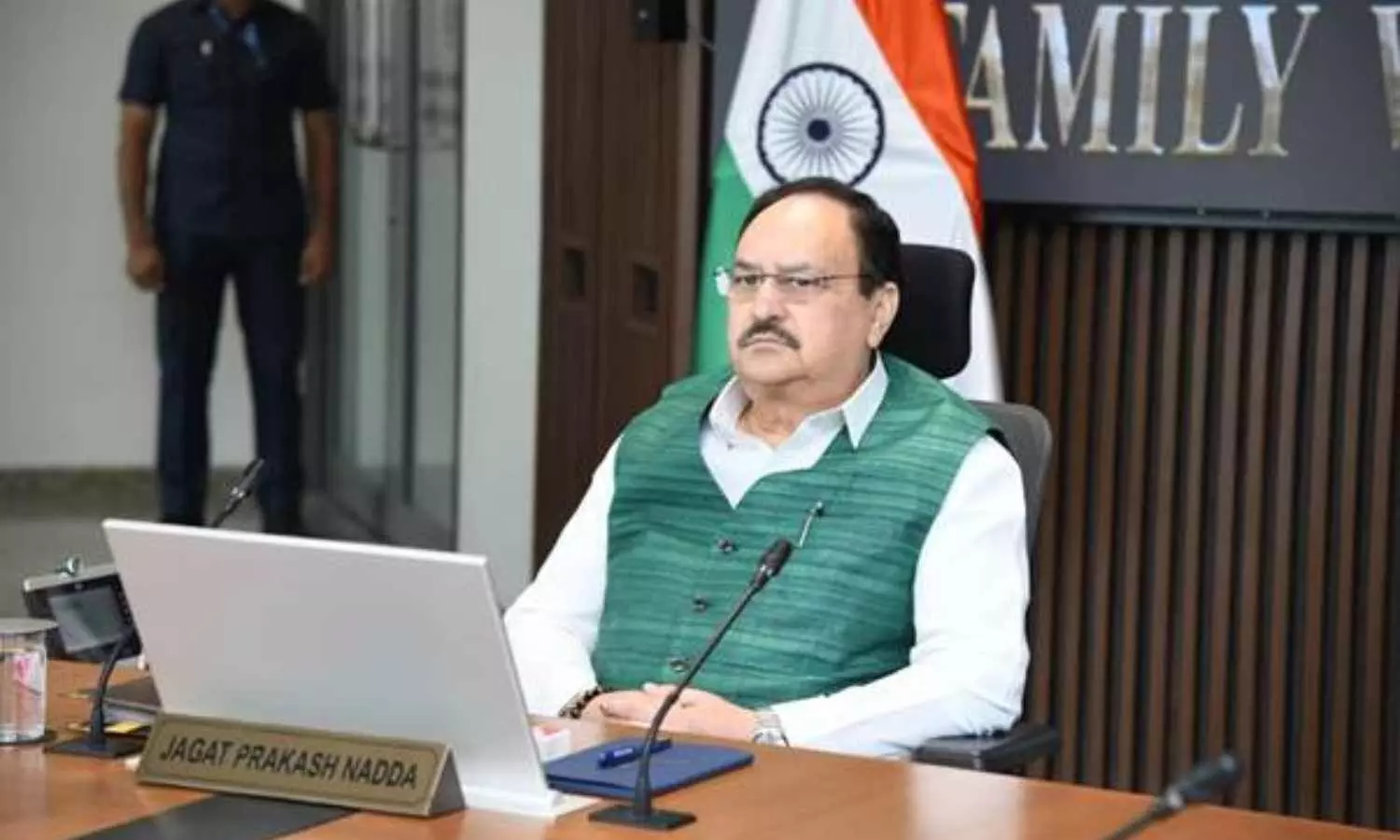
    Union Health Minister JP Nadda on Thursday urged Members of Parliament from West Bengal to lead a people-centric movement against Tuberculosis (TB), stressing the need for stronger community participation, early detection and district-level monitoring to help India achieve its goal of eliminating TB by 2030.

    Nadda chaired the meeting, “Parliamentarians Championing a TB-Mukt Bharat,” with Lok Sabha and Rajya Sabha MPs from West Bengal on the sidelines of the Monsoon Session of Parliament. Union Minister of State for Education and Development of North Eastern Region, Dr Sukanta Majumdar, also attended the meeting.

    The meeting brought together MPs across party lines to strengthen collective efforts towards a TB-Mukt Bharat through greater political leadership and public participation. It was part of a nationwide series of consultations chaired by the Union Health Minister with parliamentarians from states including Haryana, Uttar Pradesh, Madhya Pradesh, Gujarat, Rajasthan and Tamil Nadu.

    Nadda informed the members that similar interactions have been held with MPs from across the country as part of the Centre’s whole-of-government approach to accelerate TB elimination.

    The meeting reviewed the progress of the 100-Day TB-Mukt Bharat Abhiyaan, implemented in two phases. The first phase, launched on December 7, 2024, initially covered 347 high-priority districts before being expanded nationwide and concluded on March 24, 2025. The second phase, launched on March 24, is targeting nearly 1.58 lakh high-risk villages and urban wards across the country.

    Describing the campaign as a defining moment in India’s fight against tuberculosis, Nadda said it is driven by innovation, compassion and strong political commitment. He reiterated that the objective of the campaign is to achieve the Sustainable Development Goal of eliminating TB by 2030.

    Highlighting India’s progress, Nadda cited the WHO Global TB Report 2025, stating that India recorded a 21% decline in TB incidence between 2015 and 2024, compared to the global average decline of 12%. He also noted that India’s TB treatment coverage has reached 92%, significantly higher than the global average of 78%.

    The Union Minister said TB-Mukt Bharat is not merely a government programme but a nationwide people’s movement requiring active participation from elected representatives, governments, civil society and local communities.

    Calling upon MPs to take a leadership role in their constituencies, Nadda urged them to regularly review TB elimination efforts with district collectors, district magistrates and health officials. He also asked them to intensify awareness campaigns, reduce social stigma and promote early diagnosis through Ni-kshay Shivirs and targeted screening of high-risk villages, vulnerable populations and asymptomatic TB cases.

    He further urged MPs to strengthen monitoring of TB programme implementation through visits to district and block-level health facilities and encourage community participation by mobilising Ni-kshay Mitras and local organisations to provide nutritional, psychosocial and livelihood support to TB patients. He also called for organising Ayushman Arogya Shivirs to improve screening among high-risk populations.

    Nadda highlighted the importance of mandatory notification of TB cases diagnosed in the private sector and the availability of free government-supplied medicines to reduce patients’ financial burden. He described proactive detection of asymptomatic TB as a transformative step in India’s TB elimination strategy.

    The Minister also highlighted the use of indigenous TruNat molecular diagnostic machines for detecting Multi-Drug Resistant Tuberculosis (MDR-TB), AI-enabled handheld X-ray machines for improving access to diagnosis in remote areas, and portable X-ray units supported through PM CARES to expand doorstep diagnostic services.

    He added that the government has strengthened patient-centric initiatives by increasing financial assistance under the Ni-kshay Poshan Yojana to Rs 1,000 per month for every TB patient, introducing shorter and advanced treatment regimens, and mobilising more than five lakh Ni-kshay Mitras across the country to provide sustained nutritional and social support to TB patients.

  • Tamil Nadu Health Minister Directs Faster Patient Registration, Reviews Rs 338.7 Crore Children’s Super Speciality Hospital Project

    Tamil Nadu Health Minister Directs Faster Patient Registration, Reviews Rs 338.7 Crore Children’s Super Speciality Hospital Project

    Minister KG Arunraj orders streamlined digital registration at Kalaignar Centenary Super Speciality Hospital and calls for timely completion of the upcoming paediatric super speciality facility.

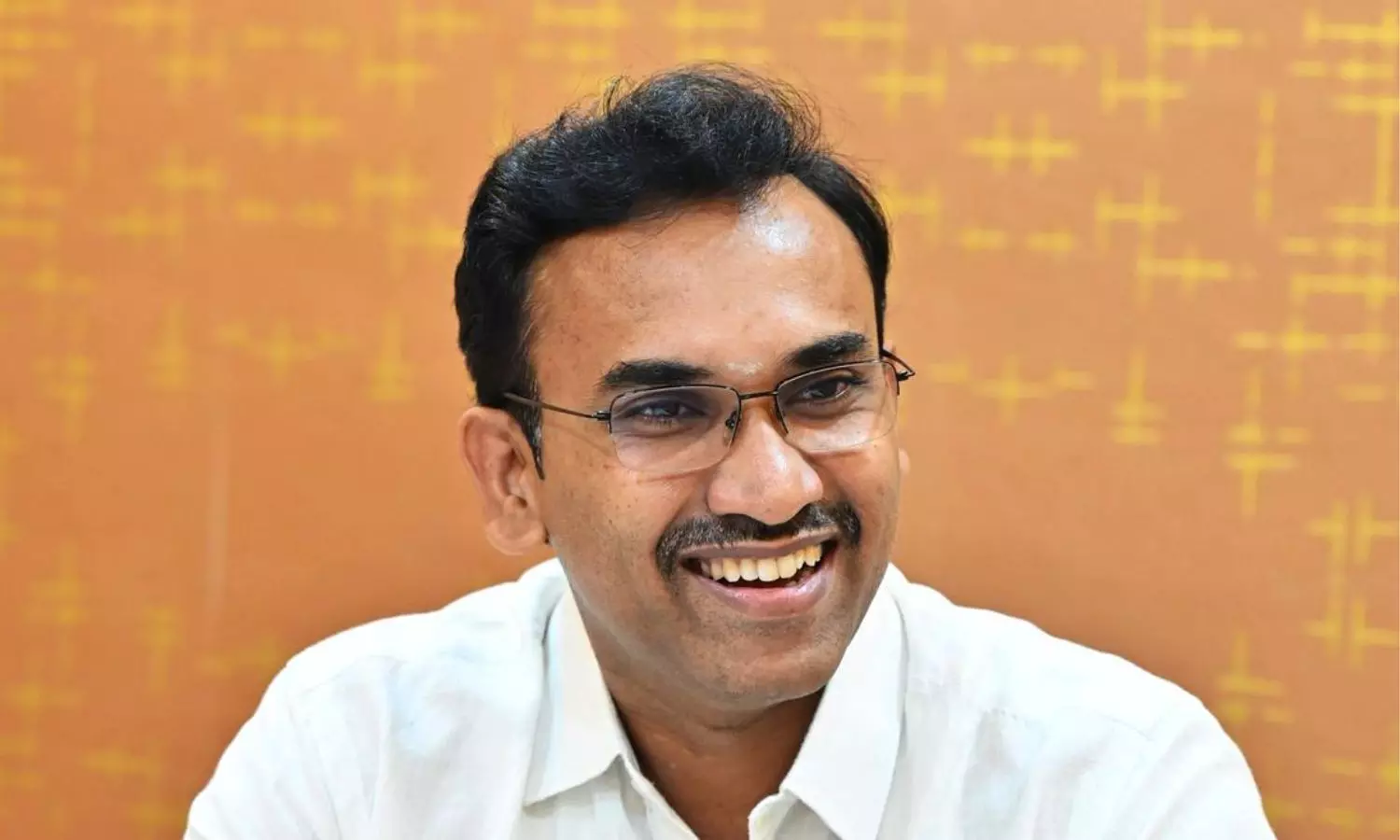
    Tamil Nadu Health and Family Welfare Minister Shri KG Arunraj has directed officials to streamline patient registration services at the Kalaignar Centenary Super Speciality Hospital in Guindy and expedite the construction of the upcoming Children’s Super Speciality Hospital and Research Centre.

    During an inspection of the hospital, the minister reviewed the functioning of the ‘NalamAI’ digital registration system after observing long queues of patients. Seeking an explanation from officials over delays in the registration process, he instructed them to deploy adequate staff to assist patients in using the digital platform. The move is aimed at ensuring faster registration and reducing waiting time for patients visiting the hospital.

    Arunraj also inspected the outpatient and neurology departments, where he reviewed treatment records and interacted with patients to assess the quality of healthcare services being provided.

    During the visit, doctors highlighted the shortage of toilet facilities in the outpatient block, stating that the existing infrastructure was inadequate to meet the needs of the large patient footfall. Responding to the issue, the minister said the matter would be taken up with the Public Works Department (PWD) and directed officials to ensure proper cleanliness and regular maintenance of the available facilities.

    The minister also responded to a patient’s request for assistance under the Chief Minister’s Comprehensive Health Insurance Scheme (CMCHIS). He instructed the concerned authorities to facilitate the immediate issuance of the patient’s insurance scheme card.

    Later, Arunraj reviewed the progress of the Children’s Super Speciality Hospital and Research Centre, which is under construction on the Guindy King Institute campus. The project, being developed at an estimated cost of Rs 338.70 crore, is spread over 6.5 acres.

    According to officials, the upcoming facility will include emergency and trauma services, radiology, outpatient departments, intensive care units, operation theatres, inpatient wards, hostels and residential quarters.

    The minister directed the contractor to maintain prescribed quality standards and ensure that construction is completed within the scheduled timeline. He stressed that the project should be executed without compromising quality or causing delays so that the hospital can become operational as planned, further strengthening specialised paediatric healthcare infrastructure in Tamil Nadu.

  • AYUSH Ministry Strengthens WHO Partnership, Pushes Traditional Medicine Integration in Regional Medical Hubs

    AYUSH Ministry Strengthens WHO Partnership, Pushes Traditional Medicine Integration in Regional Medical Hubs

    Ministry provides technical support for Budget 2026-27 medical hubs while expanding global collaboration with WHO through research, innovation and digital initiatives.

    The Ministry of AYUSH is strengthening its collaboration with the World Health Organization (WHO) while supporting the integration of traditional medicine into India’s proposed regional medical hubs, Minister of State (Independent Charge) for AYUSH Shri Prataprao Jadhav informed the Lok Sabha.

    Replying to a question in Parliament, Jadhav said the Ministry has provided technical inputs to the Department for Promotion of Industry and Internal Trade (DPIIT) for incorporating Ayush systems into the regional medical hubs announced in the Union Budget 2026-27. The initiative is being developed in consultation with multiple ministries to strengthen the country’s healthcare ecosystem.

    The Minister said the Ministry is also working closely with the WHO to promote evidence-based traditional medicine through research, capacity building and international cooperation. A key component of this collaboration is the WHO Global Traditional Medicine Centre (GTMC) in Jamnagar, established under the Host Country Agreement between the Government of India and the WHO.

    Highlighting India’s growing role in the global traditional medicine ecosystem, Jadhav said the first WHO Global Summit on Traditional Medicine, held in Gandhinagar in 2023, resulted in the Gujarat Declaration. The second summit, organised in New Delhi in 2025, concluded with the Delhi Declaration and the announcement of SMART commitments to support implementation of the WHO Global Traditional Medicine Strategy 2025-2034.

    According to the Minister, the Ministry has also contributed to the development of global research priorities, technical expert networks, traditional medicine data standards and the WHO Traditional Medicine Global Library. Work is also underway to develop the GTMC campus at Jamnagar into an international hub for research, innovation, training and global collaboration in traditional medicine.

    The Ministry has also expanded digital access to traditional medicine through several platforms developed by the Central Council for Research in Ayurvedic Sciences (CCRAS). These include the Ayur-Prakriti Web Portal, Swasthya Assessment Scale Portal, Admirable Personalities to Transform Ayurveda (APTA) Digital Library and the Ayush Manuscripts Advanced Repository (AMAR), aimed at promoting research, documentation and wider accessibility of Ayush knowledge systems.

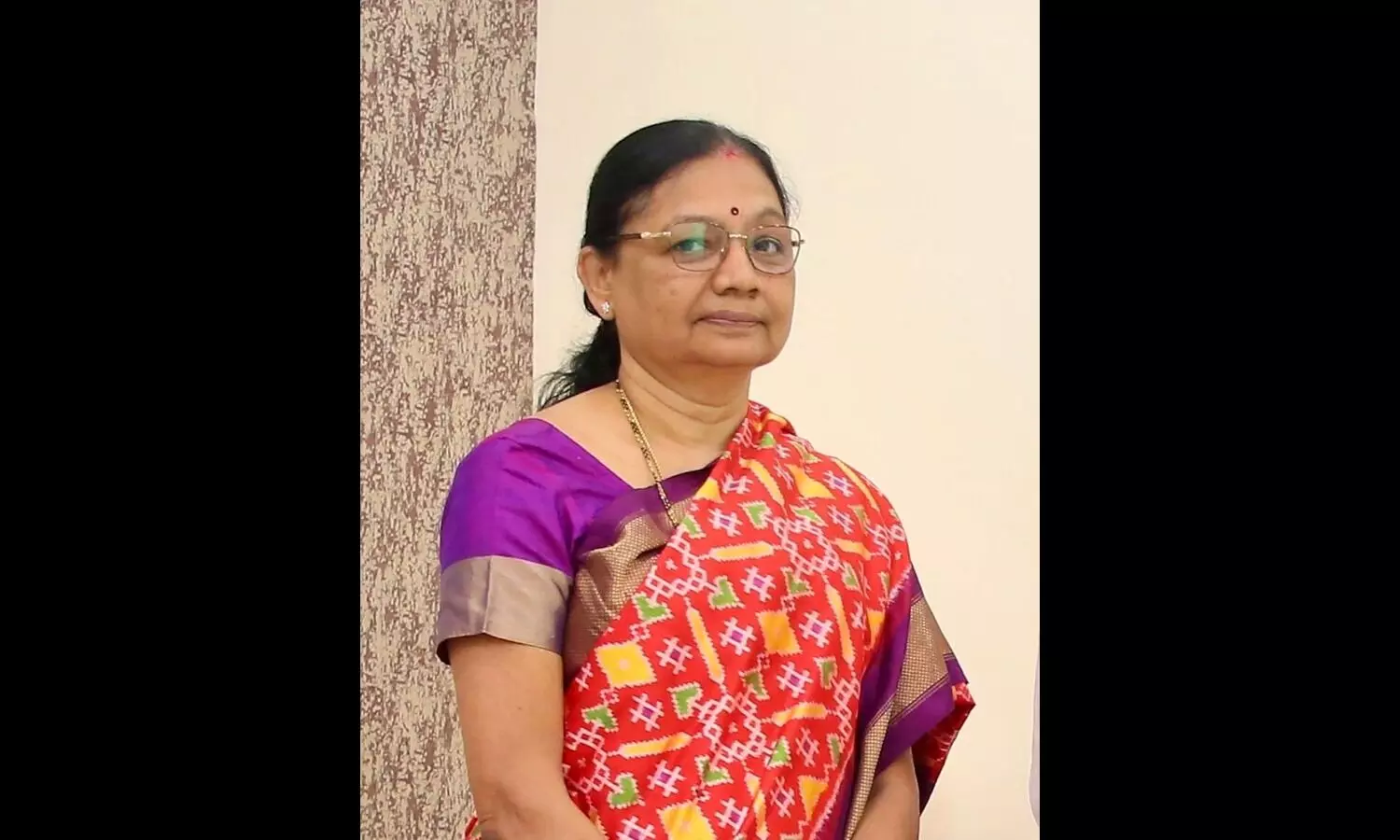
  • Dr N Vani Appointed Telangana Director of Medical Education, Succeeds Dr A Narendra Kumar

    Dr N Vani Appointed Telangana Director of Medical Education, Succeeds Dr A Narendra Kumar

    Gandhi Hospital Superintendent Dr N. Vani takes charge as Telangana’s new Director of Medical Education following the retirement of Dr A. Narendra Kumar.

    The Telangana Government has appointed Dr N. Vani, the current Superintendent of Gandhi Hospital, as the new Director of Medical Education (DME). She succeeds Dr A. Narendra Kumar, who retired from service on July 31, 2026.

    The appointment was announced through Government Order (GO Rt. No. 318) as part of administrative changes in the Medical and Health Education Department.

    Dr Vani has previously held key leadership positions in Telangana’s medical education system. She served as the in-charge Director of Medical Education in February 2024 while serving as the Principal of Government Medical College, Sangareddy. She relinquished the additional charge in January 2025 following regular appointments and was subsequently posted as the Superintendent of Gandhi Hospital.

    Her appointment comes at a time when the Telangana Government is undertaking administrative restructuring in the medical and health education sector to strengthen governance and improve healthcare delivery.

    After assuming charge as Director of Medical Education, Dr Vani met Telangana Health Minister Damodar Rajanarsimha. Congratulating her on the appointment, the minister expressed confidence that her experience and administrative leadership would further strengthen medical education and contribute to enhancing healthcare services across the state.

    The Health Minister’s Office also extended its best wishes to Dr Vani for a successful tenure, stating that her commitment and experience would play an important role in advancing medical education and improving public health services in Telangana.

    Category: Government Sector (Primary)
    Secondary Categories: State Government, Doctor News, State News (Telangana)

  • Precision Dentistry: Educating Healthcare Professionals on Guided Implant Surgery

    Precision Dentistry: Educating Healthcare Professionals on Guided Implant Surgery

    As healthcare providers, our shared goal is optimizing patient outcomes through evidence-based interventions. While dental implants remain the gold standard for tooth replacement, the methodology behind their placement has undergone a digital revolution. For general practitioners (GPs) and broader healthcare professionals, understanding Guided Implant Surgery is a baseline requirement for comprehensive patient education and holistic treatment planning. This article provides an overview of guided implant technology, detailing clinical indications, advantages, and limitations.

    What is Guided Implant Surgery?

    Guided implant surgery is a digitally driven workflow that transitions implant dentistry from a reactive procedure to a proactive, restoratively driven science. The process fuses two distinct data sets:

    • Cone Beam Computed Tomography (CBCT): Provides a high-resolution, 3D radiographic view of hard tissue, bone density, and vital anatomical structures.
    • Intraoral Digital Scans: Captures precise surface topography of the dentition and surrounding soft tissues.

    Specialized software overlays these data sets, allowing clinicians to virtually plan the exact position, depth, angulation, and diameter of the implant before surgery. This virtual plan is translated into the physical operatory via a 3D-printed static surgical guide, which mechanically restricts surgical drills to the pre-planned pathways.

    Identifying the Clinical Need: When is Guided Surgery Essential?

    GPs and medical professionals are uniquely positioned to identify patients who require the safety margins of a guided approach. While freehand surgery remains viable in straightforward cases, guided surgery is the clinical standard in the following scenarios:

    • Proximity to Vital Anatomy: Cases bordering critical structures like the inferior alveolar nerve, mental foramen, or maxillary sinus floor.
    • Compromised Bone Volume: Patients with severe alveolar atrophy where the margin for error is minimal.
    • Full-Arch Rehabilitation: Multi-implant cases (e.g., All-on-X) requiring parallel placement to prevent catastrophic prosthetic failure.
    • High Aesthetic Vulnerability: Anterior single-tooth replacements where labial bone thickness dictates visual outcomes.
    • Medical Comorbidities: Patients with controlled conditions or anxiety who benefit from reduced surgical time and less invasive protocols.

    Clinical Advantages: The Triad of Predictability

    Embracing guided surgery offers measurable benefits that impact patient health and procedural longevity:

    1. Superior Anatomical Safety: Visualizing vital structures in three dimensions drastically reduces the risk of nerve paraesthesia, sinus perforation, or root damage.
    2. Restoratively Driven Positioning: The ideal final tooth position is designed digitally first, and the implant is planned to support that specific restoration, ensuring optimal biomechanical force distribution.
    3. Minimally Invasive Preservation: Precise guides often allow for flapless techniques, preserving peri-implant blood supply, reducing post-operative swelling, and accelerating healing.

    Drawbacks and Limitations: A Balanced Perspective

    To maintain objective clinical judgment, practitioners must understand the limitations of guided technology:

    • Increased Timelines and Costs: Shifting time to the pre-surgical planning phase requires lead time for guide fabrication and introduces higher upfront diagnostic costs.
    • Anatomical and Spatial Restrictions: Surgical guides and drill assemblies are bulky. Patients with limited mouth opening or severe trismus in posterior regions may lack sufficient inter-occlusal clearance.

    Conclusion

    Guided implant surgery represents a paradigm shift from traditional tactile feedback to data-driven precision. By understanding its mechanics, indications, and limitations, general practitioners can better educate patients, demystify advanced procedures, and elevate standards of interdisciplinary care.

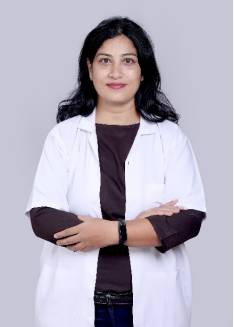
    Dr Shubha Sharma

    Sr. Comprehensive Dental Surgeon & Implantologilst,

    Yashmeet Eye-Dent Hospital, Thane

  • Delhi Govt Directs Hospitals to Ensure Medicine Availability, Monsoon Preparedness and Uninterrupted OPD Services

    Delhi Govt Directs Hospitals to Ensure Medicine Availability, Monsoon Preparedness and Uninterrupted OPD Services

    Health Minister Pankaj Singh instructs government hospitals to maintain adequate medicine stocks, strengthen emergency preparedness and keep OPDs and medicine counters operational during notified hours.

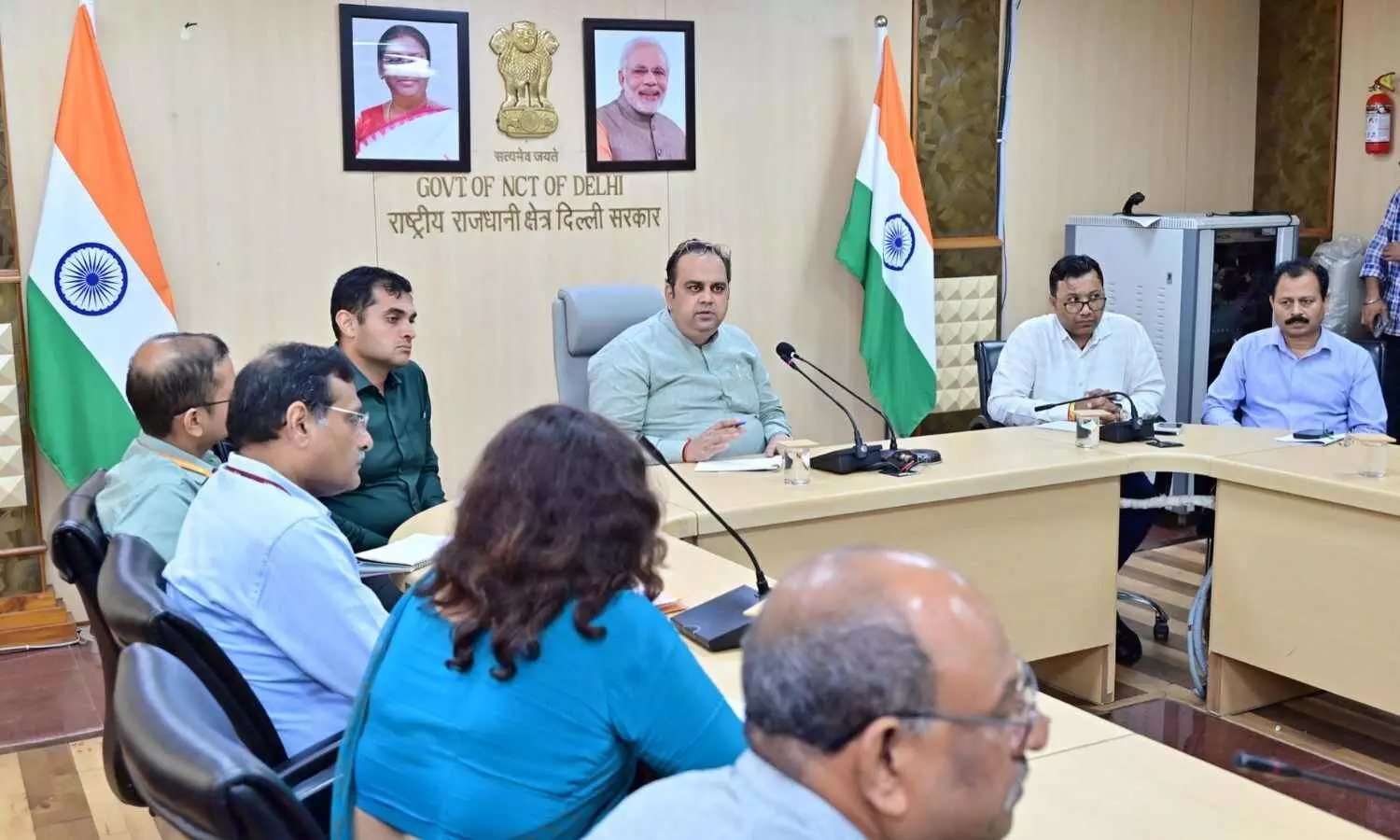
    The Delhi Government has directed all government hospitals in the national capital to ensure uninterrupted availability of essential medicines, strengthen preparedness for monsoon-related diseases and prevent the premature closure of OPDs and medicine dispensing counters.

    The directions were issued by Health Minister Pankaj Singh during a review meeting with medical superintendents and medical directors of all Delhi government hospitals. The meeting assessed medicine availability, hospital infrastructure, human resources, patient services and preparedness for the ongoing monsoon season.

    The minister said the Delhi Government is committed to ensuring that government hospitals remain fully equipped to meet healthcare needs, particularly during the monsoon, when the incidence of seasonal diseases is expected to rise.

    During the review, officials informed the minister that hospitals currently have more than 90 per cent availability of medicines, consumables and surgical items. While expressing satisfaction over the stock position, Singh directed hospital heads to immediately report any shortage of medicines so that timely intervention could be ensured.

    The minister also warned that OPDs and medicine dispensing counters must not be closed before their scheduled timings, stating that any disruption in patient services would not be tolerated.

    Keeping in view the monsoon season, hospitals have been instructed to procure medicines locally whenever necessary to avoid shortages and remain prepared for a possible increase in dengue, chikungunya, malaria and other water-borne diseases. Hospitals have also been asked to maintain adequate stocks of medicines and consumables, ensure sufficient ICU and operational bed capacity and strengthen emergency response systems.

    Singh reviewed the status of nearly 18,000 beds across Delhi government hospitals and directed hospital administrations to assess future requirements, particularly in maternity and emergency wards, and submit proposals for additional beds wherever required.

    The minister also reviewed the progress of new hospital blocks and instructed the Public Works Department (PWD) to expedite pending construction, repair and renovation works, especially in dilapidated hospital buildings.

    Emphasising quality healthcare, Singh directed hospitals to maintain proper sanitation and hygiene standards and report shortages of radiologists to strengthen diagnostic services. Medical superintendents have also been instructed to inspect hospital premises, identify infrastructure-related issues and coordinate with the PWD for their early resolution.

    The meeting further reviewed hospital infrastructure, information technology systems, inter-departmental coordination, emergency medical services and the progress of ABHA ID generation. The minister directed hospitals to submit reports every 15 days on ABHA ID registrations, pending PWD issues and other operational matters requiring government intervention.

  • Former Maharashtra PHC Doctor Booked for Negligence After 9-Year-Old Girl Dies Following Anti-Leprosy Treatment

    Former Maharashtra PHC Doctor Booked for Negligence After 9-Year-Old Girl Dies Following Anti-Leprosy Treatment

    FIR alleges ex-medical officer failed to stop anti-leprosy medicines despite signs of liver damage; family claims child was wrongly diagnosed and treated without consent.

    A former medical officer at a Primary Health Centre (PHC) in Maharashtra’s Raigad district has been booked for alleged medical negligence following the death of a nine-year-old girl who reportedly suffered an adverse reaction to anti-leprosy medicines administered during a government screening campaign.

    According to police, the case relates to the death of a Class IV student from a government ashram school in Varvane village and a resident of Tambdi village. She was identified as a suspected leprosy patient during a health screening programme conducted at the PHC in Kamarli village and was subsequently started on multidrug anti-leprosy treatment under the state’s leprosy elimination campaign.

    During the course of treatment, the child reportedly developed persistent fever and her condition gradually deteriorated. She was admitted to multiple government hospitals before being referred to a tertiary care hospital, where she died on January 22, 2025.

    Police alleged that the former medical officer failed to discontinue the anti-leprosy medication despite the child developing warning signs during treatment. An FIR has been registered, alleging that the failure to take timely medical action contributed to the deterioration of her condition.

    The FIR also refers to the findings of a medical negligence committee constituted by the Alibaug District Hospital. In a report submitted in July 2026, the committee reportedly observed that laboratory investigations had indicated liver damage at an early stage of treatment. According to the report, the anti-leprosy medication should have been stopped immediately, but investigators found no evidence that the treatment was discontinued.

    Meanwhile, the girl’s family has alleged that she was wrongly diagnosed with leprosy and administered medication without obtaining their consent. They have also demanded an investigation into the role of other Health Department officials and the Integrated Tribal Development Project (ITDP) authorities in the matter.

    Police have registered a case against the former medical officer under Section 106(1) of the Bharatiya Nyaya Sanhita (BNS), which pertains to causing death by a negligent act not amounting to culpable homicide. Investigators alleged that the doctor failed to follow accepted medical standards and necessary precautions, resulting in the child’s worsening health and subsequent death.

    Despite the registration of the FIR, the victim’s family launched an indefinite hunger strike outside the Pen Sub-Divisional Office, alleging that they had not been provided a copy of the FIR. The protest received support from local residents and activists, who demanded greater transparency and a comprehensive investigation into the case.

  • Doctor, Wife Killed After Boulder Hits Car in Himachal Pradesh’s Kullu, Daughter Critically Injured

    Doctor, Wife Killed After Boulder Hits Car in Himachal Pradesh’s Kullu, Daughter Critically Injured

    Gynaecologist and his wife die after a massive boulder strikes their moving car, sending it into a gorge in Kullu district; daughter undergoing treatment.

    A gynaecologist and his wife lost their lives, while their daughter sustained serious injuries after a moving car was struck by a falling boulder and plunged into a gorge in Himachal Pradesh’s Kullu district on Friday, officials said.

    The accident occurred at around 10:30 a.m. on the Ranabagh–Deori road in the Ani subdivision when heavy rocks suddenly rolled down from a hillside, hit the family’s car, and caused it to fall into a deep gorge.

    According to officials, the deceased have been identified as a gynaecologist and his wife. Their daughter, who was travelling with them, suffered serious injuries and was rushed to Civil Hospital, Ani, where she is undergoing treatment.

    Preliminary information suggests that the family, residents of Ani, was travelling in a car bearing a Rampur registration number when the tragic incident took place.

    The District Disaster Management Authority (DDMA), Kullu, said rescue teams were immediately dispatched after receiving information about the accident. Two occupants died on the spot, while the injured survivor was rescued and shifted to the hospital.

    Officials from the police, revenue and health departments reached the accident site and carried out rescue and relief operations. Authorities have initiated an investigation to ascertain the circumstances surrounding the incident.

  • Agra Medical College Suspends Junior Doctor Over Alleged ECG Overcharging in Government Hospital

    Agra Medical College Suspends Junior Doctor Over Alleged ECG Overcharging in Government Hospital

    Viral video alleging ₹300 ECG charges instead of the prescribed ₹68 triggers disciplinary action; administration warns department over supervisory lapses.

    A junior doctor at SN Medical College, Agra, has been suspended for 15 days after a viral video allegedly showed patients being charged ₹300 for ECG tests inside a government hospital ward, despite the prescribed government fee being ₹68. Following an internal inquiry, the medical college administration also issued a warning to the concerned department, citing negligence in supervision.

    The controversy surfaced after a video circulated on social media alleging that an individual posing as a private employee was collecting money from patients for ECG tests in the Orthopaedics Ward of the hospital’s New Surgery Building. The incident raised concerns over unauthorised persons operating within the government hospital and charging patients for diagnostic services.

    Following the inquiry, the administration suspended the junior doctor for 15 days, during which the doctor will not be allowed to attend to patients. The Principal also directed the concerned department to strengthen monitoring and ensure that such incidents do not recur.

    The administration clarified that the hospital has an adequate number of ECG machines and that patients are not required to pay any outside individual for ECG services. It urged patients and their attendants to immediately report anyone demanding money for ECGs or other investigations within the hospital premises instead of making any payment.

    According to reports, the viral video alleged that an unidentified individual was charging ₹300 for ECG tests despite the government-approved fee being ₹68. When questioned, the person reportedly refused to disclose his identity. The incident also raised questions over the hospital’s security and surveillance system, with concerns about how an unauthorised individual managed to enter the ward and collect money from patients.

    Earlier, the concerned department had stated that it was unable to identify the person seen in the viral video. However, after completing the inquiry, the medical college acknowledged lapses in supervision and initiated disciplinary action.

    The Principal reiterated that SN Medical College is committed to providing transparent and quality healthcare services and said that any irregularity affecting patient care or hospital administration would be dealt with strictly in accordance with the rules.