Author: teamdoctorspost

  • Fake doctor arrested in Assam’s Cachar for allegedly practising medicine without recognised qualifications

    Fake doctor arrested in Assam’s Cachar for allegedly practising medicine without recognised qualifications

    Health Department complaint leads to police raid; prescriptions, medicines and medical equipment seized during operation

    A man accused of posing as a doctor and allegedly treating patients without recognised medical qualifications has been arrested from Bhaga Bazar in Assam’s Cachar district as part of the State Health Department’s ongoing crackdown on illegal medical practice.

    According to officials, the accused was arrested on Saturday after a team from Dholai Police Station conducted a raid at his healthcare centre in the Manipuri Market area of Bhaga Bazar. During the operation, police seized prescriptions, medicines, medical equipment and several documents that are expected to play a key role in the investigation.

    The action followed an inspection by a special Health Department team led by the Joint Director of Health Services, Cachar. During the inspection, the accused was allegedly found examining patients and issuing prescriptions while presenting himself as a qualified doctor despite not possessing any recognised medical degree or legal authorisation to practise medicine.

    The Health Department alleged that the accused was neither registered with the State Medical Register nor the National Medical Register but had been claiming to be a medical practitioner and providing treatment to patients for a considerable period.

    Following the inspection, the Joint Director of Health Services submitted a formal complaint seeking registration of an FIR and strict legal action against the accused. The complaint was supported by copies of prescriptions allegedly issued by him, his written statement and other documents collected during the departmental inquiry.

    According to the Health Department, practising medicine without valid qualifications and statutory registration is a serious violation of the law and poses a significant risk to public health. The department urged police to take strict action to prevent further instances of illegal medical practice and assured full cooperation during the investigation.

    Officials said the inspection at Bhaga Bazar was part of the department’s ongoing drive against fake medical practitioners across the district. Copies of the complaint were also forwarded to the Cachar District Commissioner, the Superintendent of Police and the Director of Health Services, Assam.

    Acting on the complaint, Dholai Police carried out the raid and arrested the accused. The incident has drawn considerable public attention in the area, with residents closely monitoring the investigation.

    Police said the probe is continuing, and the seized prescriptions, documents and medical equipment are being examined. Officials believe further details may emerge as the investigation progresses.

    Earlier this year, Cachar Police had also arrested another individual for allegedly posing as an MBBS doctor and treating patients without possessing any recognised medical qualifications or formal medical training.
  • Medical negligence allegations spark protest after 9-year-old boy dies at Bhubaneswar private hospital

    Medical negligence allegations spark protest after 9-year-old boy dies at Bhubaneswar private hospital

    Family blocks road near Shishu Bhawan Square demanding action; hospital denies negligence, police await postmortem report

    Tension prevailed near Shishu Bhawan Square in Bhubaneswar on Friday after the family of a nine-year-old boy, who died during treatment at a private hospital, staged a road blockade alleging medical negligence and demanding strict action against the hospital authorities.

    According to the family, the child, a resident of Samantarapur, was admitted to the private hospital on Thursday after complaining of severe headache and repeated vomiting. They alleged that his condition deteriorated during treatment, following which he was placed on ventilator support.

    The family further claimed that doctors later informed them the child had been brain dead for the past two days. On Friday morning, the hospital declared the minor dead.

    Accusing the hospital of negligence, the grieving family demanded action against the treating doctor and the hospital management. They also alleged that the hospital initially refused to issue a death certificate, stating that the child had not been declared clinically dead.

    The hospital administration denied all allegations of negligence. A doctor associated with the treatment stated that the child was brought to the hospital in a brain-dead condition and was managed according to standard medical protocols. The doctor further alleged that while the family initially wanted to shift the patient to another hospital, some individuals later entered the premises, misbehaved with the medical staff and demanded the immediate issuance of a death certificate.

    Following the child’s death, family members and supporters staged a protest outside the hospital and blocked the road near Shishu Bhawan Square, disrupting traffic for several hours and causing heavy congestion in the area.

    Police personnel reached the spot, pacified the protesters and restored normal traffic movement. Officials said the child’s body was sent to Capital Hospital for postmortem examination. They added that further legal action will be taken based on the postmortem findings and any formal complaint received from the family.

  • Himachal CM Sukhu inaugurates Rs 158 crore 200-bed hospital at Chamba Medical College

    Himachal CM Sukhu inaugurates Rs 158 crore 200-bed hospital at Chamba Medical College

    New facility adds advanced healthcare services, modern hostels and residential quarters to strengthen patient care and medical education

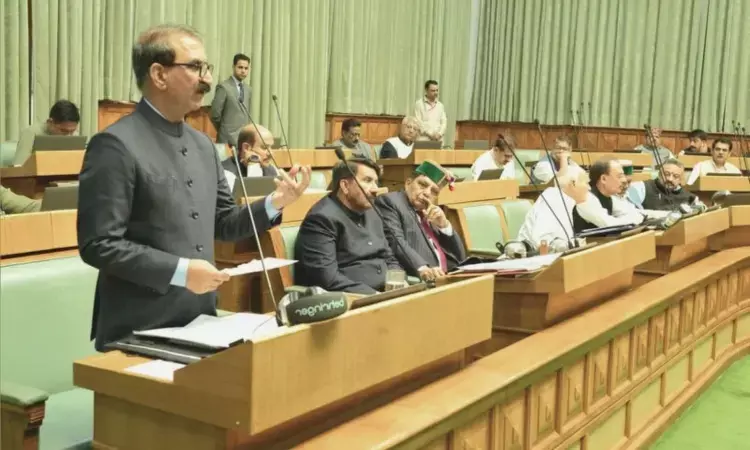
    Chief Minister Thakur Sukhvinder Singh Sukhu on Sunday inaugurated a 200-bed hospital building at Pt. Jawahar Lal Nehru Government Medical College and Hospital (JLNGMCH), Chamba, built at a cost of Rs 158 crore. Along with the hospital, the Chief Minister also inaugurated hostel and residential facilities aimed at strengthening healthcare infrastructure and medical education in the region.

    The newly inaugurated hospital comprises Blocks A, B and C and has been designed to provide comprehensive patient care and support medical education. The facility includes Outpatient Department (OPD) services in eight major specialties—Medicine, Paediatrics, Psychiatry, Chest and Tuberculosis (TB), Surgery, ENT, Obstetrics and Gynaecology (OBG), and Dental.

    The hospital also houses a fully equipped Casualty, Radiology and Operation Theatre (OT) complex along with 200 indoor beds to provide advanced medical care. According to the government, services in the Departments of Psychiatry, Gynaecology and Dermatology commenced immediately after the inauguration.

    Addressing the gathering, Chief Minister Sukhu said strengthening healthcare infrastructure and ensuring access to quality medical services closer to people’s homes remains a key priority of the State Government. He said the new hospital will enhance patient care while providing better working and learning facilities for doctors, nursing staff, medical students and other healthcare professionals.

    The project also includes modern accommodation facilities for students and staff. A 150-seat MBBS Boys Hostel and a 50-seat Nursing Hostel, which were virtually inaugurated on July 31, 2024, were formally taken over on August 12, 2025. The 150-seat MBBS Girls Hostel, completed on March 31, 2025, was virtually inaugurated on August 4, 2025, along with the Nursing Hostel.

    To improve residential infrastructure for faculty and employees, the government has also completed 24 Type-IV residential quarters and 36 Type-III residential quarters. The Type-IV quarters were virtually inaugurated on July 31, 2024, while the Type-III quarters were inaugurated on August 4, 2025.

    The Chief Minister said adequate hostel accommodation and residential facilities would create a conducive environment for students, faculty members and healthcare personnel, while ensuring the efficient functioning of the medical college and hospital. He reiterated the State Government’s commitment to expanding modern healthcare infrastructure and improving access to quality healthcare services across Himachal Pradesh.

  • West Bengal bars 11 blood banks from organising donation camps amid probe into alleged blood trafficking

    West Bengal bars 11 blood banks from organising donation camps amid probe into alleged blood trafficking

    Health Department imposes restrictions as investigation continues into alleged illegal sale, inter-state transfer of blood and violations of donation norms

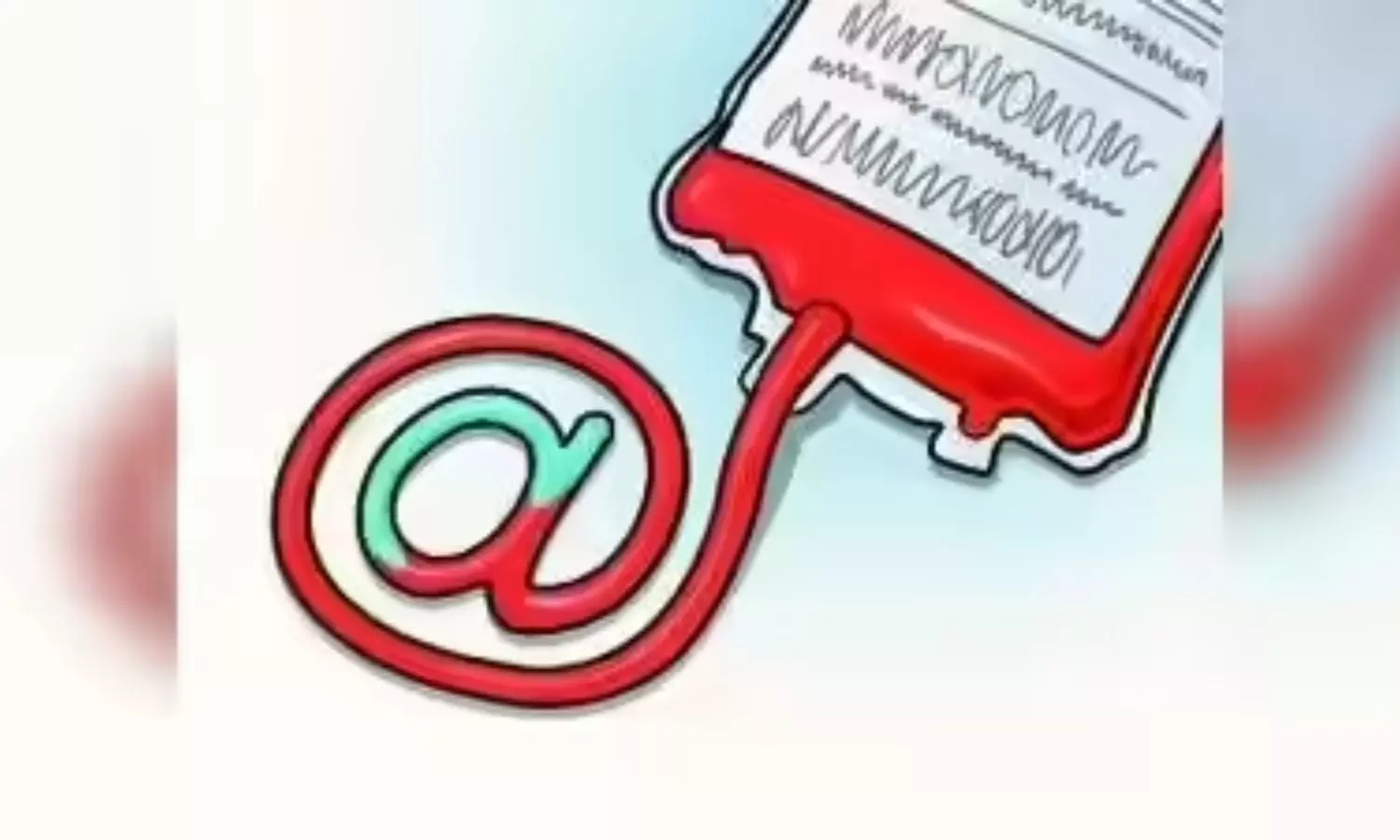
    The West Bengal Health Department has barred 11 blood banks across the state from organising blood donation camps until further orders following allegations of serious irregularities, including the illegal sale and transfer of blood collected in the state. The restriction is part of an ongoing investigation into alleged violations of blood donation norms and suspected blood trafficking.

    According to officials, the ban came into effect from August 1 and will remain in force until the investigation is completed. The Health Department has already issued a formal notification directing the concerned blood banks to suspend all blood donation camps during the investigation.

    The affected blood banks include Ashok Laboratory Blood Centre in Jodhpur Park, Kothari Medical Blood Centre in Alipore, Health Point Hospital Blood Centre in Padmapukur, Life Care Blood Centre in Entally, Om Blood Centre in Beleghata, Ispat Cooperative Hospital Blood Centre in Sonarpur, HMC Rotary Blood Centre in Howrah, Institute of Medical Sciences Blood Centre in Krishnanagar, Upasham Om Blood Centre in Raiganj, Teresa Om Blood Centre in East Burdwan and Raniganj Institute of Medical Sciences Blood Centre.

    Besides prohibiting these centres from organising blood donation camps, the Health Department has directed them to obtain prior approval before sending large quantities of blood to any destination within West Bengal. However, the blood banks will continue to be allowed to accept voluntary blood donations from individuals visiting their premises directly.

    The latest action follows raids conducted by Health Department officials at multiple blood banks in Kolkata and several districts as part of an investigation into alleged irregularities in blood collection and distribution. Authorities are examining complaints that mandatory approvals were not obtained before organising blood donation camps.

    Officials are also investigating allegations that red blood cells and plasma collected through donation drives were transferred to neighbouring states and sold at higher prices, in violation of existing regulations. Earlier, the Health Department had conducted inspections at six private blood banks following complaints of alleged illegal inter-state blood trafficking and breaches of blood donation guidelines.

    The Health Department has stated that further action against the concerned blood banks will be decided after the investigation reports are reviewed and the inquiry is completed.

  • Fake doctor booked in Pune for using ‘Doctor’ title, running unauthorised chiropractic courses

    Fake doctor booked in Pune for using ‘Doctor’ title, running unauthorised chiropractic courses

    PMC registers FIR during crackdown on bogus medical practitioners; police launch investigation under Maharashtra Medical Practitioners Act

    A Pune-based man has been booked for allegedly posing as a doctor on social media and conducting unauthorised chiropractic courses without possessing recognised medical qualifications. The Pune Municipal Corporation (PMC) registered the case as part of its ongoing crackdown against bogus medical practitioners in the city.

    According to PMC officials, the action is part of a larger drive to curb illegal medical practice across Pune. Civic body records show that between 2013 and 2024, cases have been registered against 56 bogus doctors in the city. The latest review of these cases was conducted during a committee meeting chaired by Municipal Commissioner Naval Kishore Ram.

    Following scrutiny by the civic body’s search and action committee and after obtaining a legal opinion, an FIR was registered under Sections 33(1) and 33(2) of the Maharashtra Medical Practitioners Act, 1961. Police have initiated an investigation into the matter.

    Speaking on the issue, PMC Assistant Health Officer Dr. Rajesh Dighe urged citizens to verify the educational qualifications and statutory registrations of doctors before seeking treatment. He also appealed to the public to report any suspected cases of illegal medical practice to the respective zonal office or the Municipal Corporation’s Health Department.

    Dr. Dighe said the police and the Pune Municipal Corporation will continue their coordinated efforts to identify and take action against bogus medical practitioners operating in the city.

    After an investigation and a formal legal opinion, the case was officially registered on July 27. Officials confirmed that the Kondhwa Police are carrying out further investigations.

    During the review meeting, the Municipal Commissioner directed the Health and Legal Departments to update the status of all pending cases against fake doctors and verify whether any of the accused had resumed medical practice despite legal action.

    According to civic officials, an individual is considered a bogus doctor if they provide medical treatment or perform medical procedures without holding recognised qualifications such as MBBS, BAMS, BUMS, BHMS, BDS, or postgraduate medical degrees like MD or MS registered with the appropriate statutory medical council.

  • NMC tells Supreme Court excessive duty hours harming resident doctors’ mental health, backs regulated work schedule

    NMC tells Supreme Court excessive duty hours harming resident doctors’ mental health, backs regulated work schedule

    Affidavit cites National Task Force report, says long working hours affect mental well-being, patient safety and academic performance

    The National Medical Commission (NMC) has informed the Supreme Court that prolonged and round-the-clock duty schedules are among the leading causes of mental health problems among postgraduate medical students across the country. The Commission stated that excessive working hours not only affect the physical and mental well-being of resident doctors but also compromise patient safety.

    The NMC made these submissions through an affidavit in response to a Public Interest Litigation (PIL) seeking implementation of the 1992 Uniform Residency Scheme for resident doctors.

    Referring to the National Task Force (NTF) 2024 report, the Commission stated that the findings clearly established a link between excessive duty hours and deteriorating mental health among postgraduate medical students. According to the report, long working schedules, including multiple 24-hour duties and sometimes three to five consecutive duties, result in physical and mental exhaustion, adversely affecting both performance and health.

    The NMC informed the Apex Court that the 1992 Uniform Residency Scheme had been introduced to reduce the burden of excessive working hours. The scheme recommended that resident doctors should generally not work for more than 12 hours of continuous active duty in a day and should not exceed 48 working hours in a week. However, these guidelines could not be implemented due to shortages of human resources and other logistical constraints.

    The Commission further referred to the National Task Force’s recommendations, which suggested that, depending on available resources, resident doctors should work no more than 74 hours per week, with no more than 24 hours of continuous duty. The proposed schedule includes one weekly off, one 24-hour duty in a week, and 10-hour shifts for the remaining five days.

    The Task Force also stressed that postgraduate students should receive at least seven to eight hours of sleep daily to maintain optimal physical and mental health. It recommended that Heads of Departments, faculty members, senior residents and junior residents jointly prepare duty rosters by dividing work into one, two or three shifts, depending on manpower availability. It also emphasised strict compliance with the NMC’s regulations providing one weekly day off.

    The PIL was filed by the United Doctors’ Front (UDF) through Advocates Satyam Singh and Neema, seeking enforcement of the Ministry of Health and Family Welfare’s 1992 notification, which limits resident doctors’ duty hours to 12 hours per day and 48 hours per week.

    The petition argued that despite clear directions issued over three decades ago, many medical institutions continue to violate the prescribed norms. It also referred to the National Task Force report, which documented more than 150 suicides among medical students over the past five years, with work-related stress and sleep deprivation identified as major contributing factors.

    The NMC also clarified before the Supreme Court that while it has taken steps to regulate duty hours and improve the mental well-being of medical students and resident doctors, the responsibility for implementing duty schedules rests with the respective State Governments and medical institutions. The Commission stated that under the National Medical Commission Act, 2019, its primary role is to regulate medical education and maintain academic standards, while the implementation of working conditions lies with the concerned authorities.

  • KGMU doctors develop portable device to detect internal bleeding during golden hour after trauma

    KGMU doctors develop portable device to detect internal bleeding during golden hour after trauma

    Screen-free handheld innovation can help ambulance staff identify life-threatening internal bleeding without ultrasound or radiologists

    Doctors at King George’s Medical University (KGMU), Lucknow, have developed a portable, screen-free device capable of detecting internal bleeding in trauma patients during the critical “golden hour” after an accident. The innovation aims to help emergency teams identify life-threatening injuries quickly, particularly in settings where advanced diagnostic facilities are unavailable. The inventors have filed a patent for the device, while final approval is awaited.

    The handheld device has been developed by KGMU Chief Medical Superintendent and Trauma Surgeon Prof. Prem Raj Singh along with Medical Superintendent Prof. Amiya Agarwal. It is designed to detect abnormal fluid, including internal bleeding, in the abdomen, a condition that is often difficult to diagnose immediately after road accidents and other traumatic injuries.

    Unlike conventional ultrasound machines, the device does not require a display screen or a trained radiologist for operation. It can be used by ambulance personnel, paramedics and emergency responders with minimal training, making it suitable for ambulances, district hospitals and rural healthcare centres where advanced imaging facilities are limited.

    The device works by placing a probe over the patient’s abdomen. It analyses the presence of abnormal fluid and immediately alerts the user if internal bleeding or other fluid accumulation is detected. The device operates on both battery and electricity, enabling uninterrupted use even in resource-limited environments.

    Explaining the significance of the innovation, the developers said that while external bleeding is usually visible and can often be controlled through first aid, internal bleeding frequently remains undetected until the patient’s condition becomes critical.

    According to the team, nearly 30-35% of trauma patients experience internal bleeding, many of whom require urgent specialised treatment. The device can also be used repeatedly to monitor whether the bleeding is increasing, allowing healthcare providers to decide whether immediate transfer to a higher trauma centre is necessary.

    “Many trauma patients suffer internal blood loss that is not immediately visible. Early detection can help healthcare workers decide whether a patient requires urgent transfer to a specialised trauma centre,” Prof. Prem Raj Singh said.

    The doctors said the portable device has been specifically developed to strengthen emergency care in ambulances, district hospitals and rural healthcare facilities where access to advanced diagnostic equipment is often unavailable. The patent application for the innovation has already been published, while final approval is currently awaited.

  • Supreme Court Gives Relief to Govt Doctor in Bribery Case, Slams Rajasthan Govt for ‘Political Dictate’ in Prosecution Sanction

    Supreme Court Gives Relief to Govt Doctor in Bribery Case, Slams Rajasthan Govt for ‘Political Dictate’ in Prosecution Sanction

    Apex Court upholds High Court order quashing prosecution sanction, imposes ₹1 lakh cost on Rajasthan Government for reviewing sanction without fresh evidence

    The Supreme Court has granted relief to a government doctor accused of demanding a bribe for a patient’s knee surgery, upholding the Rajasthan High Court’s decision to quash the State Government’s sanction for his prosecution under the Prevention of Corruption Act, 1988.

    In a significant judgment, the Apex Court also came down heavily on the Rajasthan Government for reversing its earlier decision without any fresh evidence and imposed a cost of ₹1 lakh on the State. The Bench observed that the change in stance appeared to have been made under the influence of “political dictate” and amounted to unnecessary harassment of a public servant.

    The Bench of Justices J.V. Pardiwala and K. Vinod Chandran reiterated that sanction for prosecution is intended to protect honest public servants from frivolous and vexatious criminal proceedings, while ensuring that genuine cases are prosecuted.

    “The decision-making process under Section 19 of the Prevention of Corruption Act, 1988 cannot resemble the dilemma in Hamlet’s Soliloquy—’to be or not to be’. If there is ambivalence, it could be presumed that extraneous considerations weighed and here is a case where political dictate is blatantly displayed,” the Court observed.

    The case arose from allegations that the government doctor demanded ₹5,000 to ₹6,000 from a patient’s relative for knee surgery in 2017. During a trap operation, ₹2,000 was allegedly recovered from a drawer at the doctor’s official residence.

    However, when the State Government initially examined the matter, senior officials concluded that the available evidence did not clearly establish either a demand for or acceptance of a bribe. The authorities found that the recorded telephone conversation merely reflected the cost of steel plates required for the surgery, which the patient was required to bear as they were not covered under the applicable government scheme.

    Despite initially refusing sanction for prosecution, the matter was later reopened after the Joint Secretary in the Chief Minister’s Office sought reconsideration, citing the recovery of money during the trap. The Chief Secretary subsequently recommended granting sanction, leading to the doctor’s challenge before the Rajasthan High Court, which quashed the sanction order.

    The State Government challenged the High Court’s decision before the Supreme Court.

    Dismissing the State’s appeal, the Supreme Court observed that where two views are reasonably possible, particularly in criminal proceedings against a public servant, the view favouring the accused should prevail unless there is sufficient material indicating a reasonable likelihood of proving guilt beyond reasonable doubt.

    The Court further noted that even the administrative authorities had expressed serious doubts regarding the alleged demand for a bribe and the circumstances of the trap and recovery. In such a situation, there was no justification for granting prosecution sanction.

    The Bench also observed that the facts of the case indicated possible victimisation of the doctor and emphasised that sanction for prosecution should be based on the realistic possibility of securing a conviction rather than mere suspicion or probabilities.

    Referring to earlier judgments, including Mansukhlal Vithaldas Chauhan v. State of Gujarat, the Court reiterated that sanction is intended to prevent false, frivolous and vexatious prosecution and acts as a safeguard for innocent public servants rather than a shield for guilty officials.

    The Court also relied on its earlier decisions in State of H.P. v. Nishant Sareen, Gopikant Choudhary v. State of Bihar, and State of Punjab v. Mohd. Iqbal Bhatti, holding that a sanctioning authority cannot review or reconsider an earlier decision refusing prosecution merely because of a change in opinion. Such reconsideration is permissible only if fresh material, unavailable during the earlier decision-making process, subsequently comes on record.

    Finding that no fresh evidence had emerged in the present case, the Bench held that the review of the earlier refusal to grant sanction suffered from non-application of mind and was legally unsustainable.

    The Supreme Court further remarked that the State should have accepted the Rajasthan High Court’s decision instead of pursuing further litigation, particularly when the sanction order was “patently illegal and blatantly tainted.”

    Accordingly, the Court dismissed the State’s Special Leave Petition and directed the Rajasthan Government to pay ₹50,000 each before the High Court and the Supreme Court, totalling ₹1 lakh, within two months. The Bench also granted liberty to the doctor to approach the Court again if the costs are not paid within the stipulated period.

  • Over 17,000 Faculty, Non-Faculty Posts Vacant Across 20 AIIMS, Govt Details Recruitment Measures in Parliament

    Over 17,000 Faculty, Non-Faculty Posts Vacant Across 20 AIIMS, Govt Details Recruitment Measures in Parliament

    Health Ministry says 2,181 faculty and 15,159 non-faculty posts remain vacant in AIIMS for 2026-27; AIIMS New Delhi records the highest vacancies

    The Central Government has informed Parliament that a total of 2,181 faculty posts and 15,159 non-faculty posts are lying vacant across 20 All India Institutes of Medical Sciences (AIIMS) against a sanctioned strength of 6,304 faculty posts and 59,225 non-faculty posts during the academic year 2026-27.

    The information was shared by Minister of State for Health and Family Welfare Shri Prataprao Jadhav in a written reply to an unstarred question in the Lok Sabha regarding vacancies, their impact on healthcare delivery and medical education, and the government’s recruitment strategy.

    According to the data, AIIMS New Delhi has the highest number of vacancies, with 436 faculty posts and 2,461 non-faculty posts remaining unfilled despite having the largest sanctioned workforce among all AIIMS.

    Among the newer AIIMS, AIIMS Patna reported 88 faculty and 1,103 non-faculty vacancies, followed by AIIMS Raipur with 92 faculty and 1,068 non-faculty vacancies, AIIMS Bhubaneswar with 99 faculty and 1,045 non-faculty vacancies, and AIIMS Rishikesh with 127 faculty and 973 non-faculty vacancies.

    Other institutes also continue to face significant shortages. AIIMS Madurai has 108 faculty and 939 non-faculty vacancies, AIIMS Jodhpur has 184 faculty and 695 non-faculty vacancies, AIIMS Guwahati has 64 faculty and 685 non-faculty vacancies, while AIIMS Rajkot, Deoghar, Kalyani, Gorakhpur, Nagpur, Bibinagar, Mangalagiri, Bilaspur, Raebareli, Bathinda, and Jammu also reported substantial vacancies across various categories.

    Responding to concerns over the impact of these vacancies on patient care, diagnostics, medical education and hospital administration, Jadhav said that creation of posts and recruitment is a continuous and dynamic process. He added that filling vacant positions depends on several factors, including the availability of suitable and qualified candidates, reservation rosters and the geographical location of individual AIIMS.

    The Minister informed the House that the Ministry of Health and Family Welfare has introduced several measures to accelerate recruitment across AIIMS. These include the constitution of Standing Selection Committees in every institute for faculty appointments, engagement of retired professors, additional professors and associate professors on contract up to the age of 70 years in new AIIMS, and the implementation of a Visiting Faculty Scheme to attract experienced faculty from premier institutions in India and abroad.

    He further said that AIIMS New Delhi conducts the Nursing Officer Recruitment Common Eligibility Test (NORCET) for recruitment of nursing officers across AIIMS. The institute also conducts the Common Recruitment Examination (CRE) for Group B and Group C non-faculty posts twice every year.

    For resident doctor recruitment, Institute of National Importance Combined Entrance Test (INI-CET) is conducted twice annually for Junior Residents, while the Institute of National Importance Super Speciality (INI-SS) examination is held twice a year for Senior Resident recruitment.

    Highlighting efforts to improve patient services despite manpower shortages, the Minister said AIIMS institutions are adopting several patient-centric initiatives, including expansion of outpatient services, increasing patient registration capacity, online appointment systems, implementation of Ayushman Bharat Digital Mission (ABDM)-enabled digital health services, same-day diagnostic investigations, expansion of diagnostic facilities, integrated specialist care and cashless treatment under various government healthcare schemes.

  • Govt Strengthens AMR Surveillance Across Human, Animal, Food and Environment Sectors Under NAP-AMR 2.0

    Govt Strengthens AMR Surveillance Across Human, Animal, Food and Environment Sectors Under NAP-AMR 2.0

    Health Ministry says new five-year action plan focuses on antimicrobial stewardship, surveillance and curbing irrational antibiotic use

    The Central Government has strengthened surveillance for Antimicrobial Resistance (AMR) and antimicrobial consumption across the human, animal, food and environmental sectors under the National Action Plan on Antimicrobial Resistance (NAP-AMR) 2.0, Minister of State for Health and Family Welfare Shri Prataprao Jadhav informed the Rajya Sabha.

    The information was shared in a written reply to questions raised by MPs Swati Maliwal and Shri Rajeev Shukla. The National Action Plan on Antimicrobial Resistance (NAP-AMR) 2.0 is India’s strategic five-year roadmap (2025–2029), launched by the Ministry of Health and Family Welfare to combat drug resistance through antimicrobial stewardship, multi-sectoral coordination and strengthened surveillance systems.

    The Minister said the action plan promotes the implementation of antimicrobial stewardship programmes in healthcare institutions, aligns with national surveillance networks and prioritises behaviour change communication and public awareness campaigns. These initiatives target healthcare professionals, veterinarians, farmers and the general public to encourage the rational and judicious use of antimicrobial medicines.

    The MPs had sought details on the government’s response to the growing challenge of antimicrobial resistance caused by the inappropriate, excessive and non-prescription use of antibiotics. They also asked about measures to monitor antibiotic consumption, prevent over-the-counter sale of antibiotics without valid prescriptions, strengthen surveillance mechanisms and promote responsible antibiotic use.

    Responding to the queries, Jadhav said the Government is fully aware of the growing public health threat posed by antimicrobial resistance and has adopted a coordinated, multi-sectoral approach to address the issue.

    He informed the House that the Central Drugs Standard Control Organization (CDSCO) regulates the safety, efficacy and quality of drugs under the provisions of the Drugs and Cosmetics Act, 1940, and the rules framed under it.

    The Minister further stated that the sale and distribution of medicines are regulated by the State Licensing Authorities under the Drugs Rules, 1945. State Drug Controllers and other stakeholders have also been sensitised regarding the illegal sale of prescription medicines without prescriptions issued by Registered Medical Practitioners.

    He added that the Centre has issued several notices, advisories and official communications to State Drug Controllers and other stakeholders, directing strict compliance with the provisions of the Drugs and Cosmetics Act and Rules to prevent the misuse and overuse of antibiotics and promote their rational use.