Author: teamdoctorspost

  • Why Rabies Vaccine Can Fail Despite Full Vaccination: Former Army Doctor Explains 10 Critical Reasons

    Why Rabies Vaccine Can Fail Despite Full Vaccination: Former Army Doctor Explains 10 Critical Reasons

    Expert highlights the importance of proper wound care, timely immunoglobulin administration, vaccine quality and correct treatment protocols after a recent rabies death in Maharashtra.

    Rabies remains one of the world’s deadliest infectious diseases, but it is almost entirely preventable when post-exposure treatment is administered correctly. Following the reported death of a 21-year-old woman in Maharashtra’s Kolhapur despite receiving a complete five-dose anti-rabies vaccine schedule along with Rabies Immunoglobulin (RIG), a former Army doctor has explained why rabies prevention can sometimes fail and outlined the critical steps needed to avoid such tragedies.

    In a post shared on X, Dr AK, a former Army doctor, stated that successful rabies prevention depends on a carefully coordinated treatment process involving immediate wound washing, proper administration of Rabies Immunoglobulin, correct vaccine technique, timely completion of vaccine doses and maintenance of vaccine quality. According to him, mistakes at any stage can significantly reduce the effectiveness of post-exposure prophylaxis.

    Improper Stitching of Bite Wounds

    Dr AK cautioned against immediately stitching dog bite wounds, as early closure may trap the rabies virus inside the tissues. He advised that if wound closure becomes necessary, Rabies Immunoglobulin should first be properly infiltrated into and around the wound.

    Cold Chain Failure Can Reduce Vaccine Effectiveness

    Rabies vaccines are highly temperature-sensitive biological products. Exposure to excessive heat or freezing temperatures may reduce their potency. The doctor stressed that healthcare facilities must maintain proper cold-chain systems, regularly monitor storage temperatures and ensure vaccines are stored according to prescribed standards.

    Incorrect Administration of Rabies Immunoglobulin (RIG)

    Rabies Immunoglobulin provides immediate passive protection, particularly in severe animal bite cases. According to Dr AK, RIG should be infiltrated directly into and around the bite wound where the virus is initially present, rather than being administered only at a distant injection site.

    Immediate Wound Washing Is Essential

    The doctor emphasised that every animal bite should be washed thoroughly with soap and running water for at least 15 minutes immediately after exposure. This simple yet critical measure can remove a substantial amount of virus from the wound and significantly reduce the risk of infection. He noted that this step is often overlooked.

    Correct Vaccine Administration Matters

    The anti-rabies vaccine must be administered using the correct technique to ensure an adequate immune response. In adults, the vaccine should generally be injected into the deltoid muscle of the upper arm. Administration into inappropriate sites, such as the buttocks, may result in inadequate protection.

    High Viral Exposure Increases Risk

    The doctor explained that bites involving a large amount of virus, including incidents where an infected animal bites multiple individuals within a short period, require particularly careful medical evaluation and strict adherence to treatment protocols.

    Timely Completion of Vaccine Schedule

    Completing every vaccine dose according to the recommended schedule is essential. Missing doses or significant delays between injections can compromise the body’s immune response and reduce protection against rabies.

    Minor Wounds Should Never Be Ignored

    Even small scratches or tiny puncture wounds can allow the rabies virus to enter the body. Dr AK advised that every bite victim should undergo a careful examination to identify all injuries and ensure each wound is cleaned and managed appropriately.

    Reduced Immune Response in Some Individuals

    In rare situations, certain individuals may not develop adequate protective antibodies despite receiving the vaccine due to underlying immune-related conditions, which can affect vaccine effectiveness.

    Vaccine Quality and Storage Issues

    The doctor also highlighted the importance of vaccine quality, warning that expired, improperly stored or sub-potent vaccine batches may fail to provide adequate protection. He stressed the need for proper training of healthcare workers, strict storage protocols, continuous monitoring of vaccine stocks and accountability throughout the cold-chain system.

    Reiterating that rabies is almost entirely preventable, Dr AK urged the public to follow every recommended post-exposure measure without delay.

    “Wash the wound with soap and water for 15 minutes. Ensure Rabies Immunoglobulin is properly administered when indicated. Complete all vaccine doses on time. Never ignore even a small dog bite,” the doctor advised.
  • Kerala High Court Clears Transfer of 7 Government Medical College Principals, Sets Aside Tribunal Stay

    Kerala High Court Clears Transfer of 7 Government Medical College Principals, Sets Aside Tribunal Stay

    High Court says transfer is an administrative decision and finds no evidence of mala fide intent in the State Government’s transfer order.

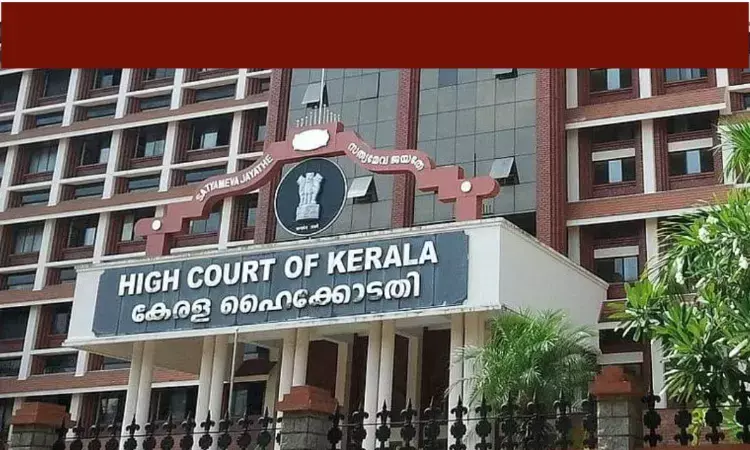
    The Kerala High Court has set aside the interim order of the Kerala Administrative Tribunal (KAT) that had stayed the transfer of principals of seven Government Medical Colleges (GMCs), allowing the State Government to continue with its promotion and transfer process.

    The Court held that there was no material to suggest that the transfer order was issued with mala fide intent or for irrelevant considerations. While vacating the tribunal’s stay, the High Court clarified that the Kerala Administrative Tribunal may continue hearing the matter, as replies from the concerned parties are still pending.

    The dispute arose after the Department of Medical Education initiated the annual general transfer process in March 2026 by inviting applications from eligible employees. Subsequently, in June 2026, the State Government issued a combined promotion and transfer order covering several officials, including principals of Government Medical Colleges.

    The combined order was challenged before the Kerala Administrative Tribunal, with the petitioners alleging that it bypassed the regular transfer process and denied employees an opportunity to submit objections before the transfers were finalised.

    Earlier, the tribunal had stayed the transfer order for one month, observing that affected employees should be given a fair opportunity to raise their grievances. It later modified the interim order by permitting the government to proceed with promotions while allowing the transferred officials to continue in their existing postings temporarily.

    However, the Kerala High Court observed that issuing a combined promotion and transfer order was an administrative necessity to ensure the smooth functioning of government medical institutions.

    The Bench further held that courts and tribunals should ordinarily refrain from interfering in transfer matters unless there is clear evidence of mala fide intent, arbitrariness, or violation of statutory provisions.

    The Court also noted that the tribunal had failed to adequately consider the larger public interest involved in implementing promotion and transfer orders within Government Medical Colleges and the Directorate of Medical Education.

    Emphasising the settled legal position, the High Court observed that transfer is an administrative decision taken by the employer based on institutional requirements. It ruled that personal inconvenience faced by employees or their family members, by itself, cannot be a valid ground for judicial interference in transfer orders.

    With the stay vacated, the State Government’s transfer process for the principals of the seven Government Medical Colleges will now proceed, while the tribunal continues to hear the main petition on its merits.

  • Dr Anshul Kumar Jain Appointed Director of Cardiac Sciences at CK Birla Hospital, Punjabi Bagh

    Dr Anshul Kumar Jain Appointed Director of Cardiac Sciences at CK Birla Hospital, Punjabi Bagh

    Veteran interventional cardiologist with over 30 years of experience joins CK Birla Hospital to lead and expand its cardiac sciences department.

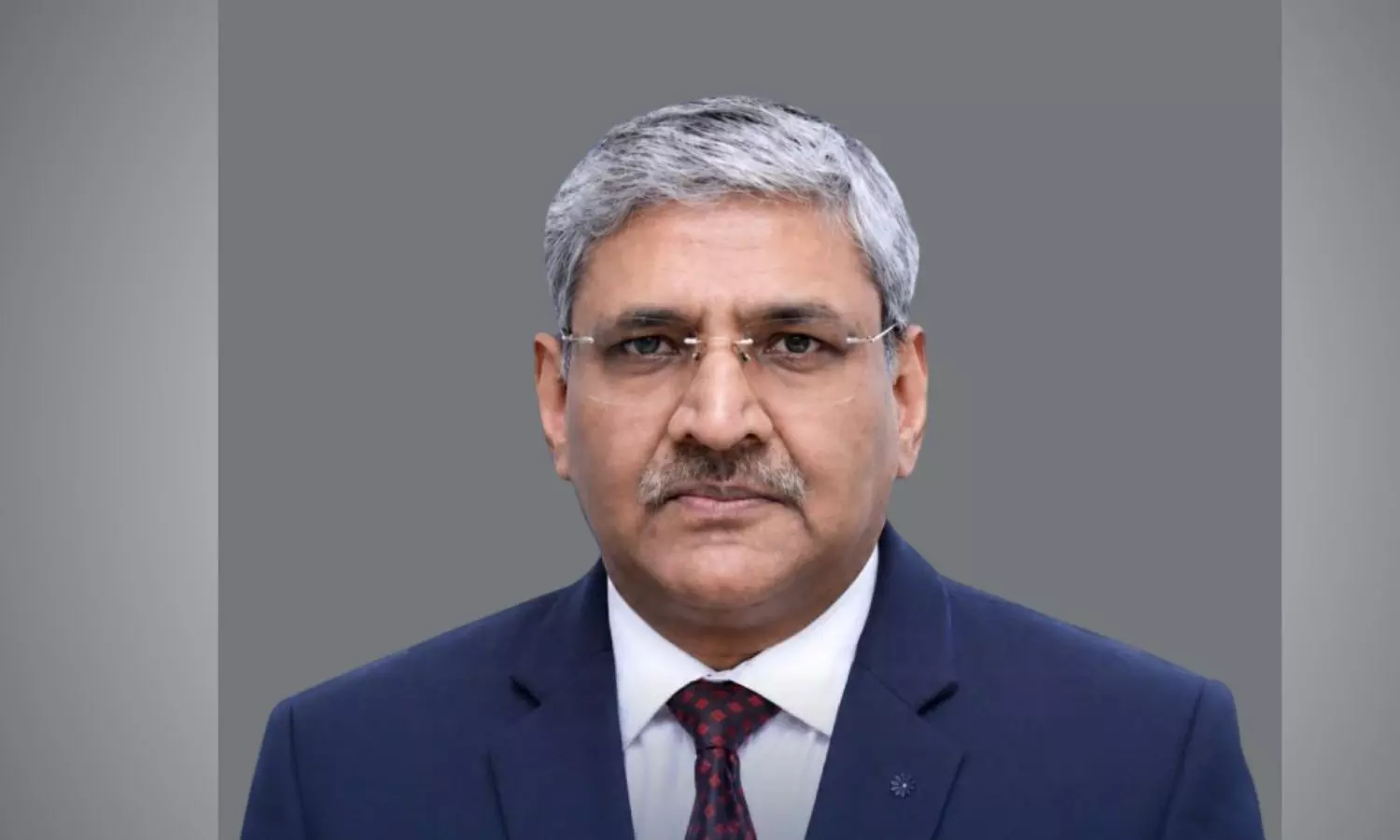
    CK Birla Hospital, Punjabi Bagh, has appointed renowned interventional cardiologist Dr Anshul Kumar Jain as the Director of Cardiac Sciences, strengthening its leadership in cardiovascular care and advanced cardiac treatment.

    The multispecialty hospital, part of the CKA Birla Group, announced that Dr Jain will lead the Cardiac Sciences Department and play a key role in enhancing comprehensive heart care services for patients across Delhi-NCR. The hospital offers multidisciplinary medical and surgical care with a strong focus on clinical excellence, advanced treatment technologies, and patient-centred healthcare.

    Dr Jain brings more than 30 years of experience in interventional cardiology, clinical practice, and departmental leadership. Before joining CK Birla Hospital in July 2026, he served as Senior Consultant, Department of Cardiology at Fortis Hospital, Shalimar Bagh, from June 2024 to July 2026.

    Prior to that, he was Senior Consultant and Head of the Department of Cardiology at Shri Aggarsain International Hospital, Rohini, where he led the department between June 2019 and May 2024.

    Over the course of his career, Dr Jain has held several senior leadership positions at leading healthcare institutions. He served as Senior Cardiologist at Fortis Hospital, Shalimar Bagh, and Jaipur Golden Hospital, Rohini, from October 2013 to May 2019. Earlier, he worked as Senior Consultant and Unit Head at Sri Balaji Action Medical Institute from September 2010 to October 2013, and at Maharaja Agrasen Hospital, New Delhi, between June 2006 and August 2010.

    His professional journey also includes senior consultant roles at Ridge Heart Center, Sir Sunderlal Jain Charitable Hospital, Sri Balaji Action Medical Institute, and St Stephen’s Hospital, New Delhi.

    Dr Jain has received advanced international training in interventional cardiology through prestigious fellowships at The Alfred Hospital, Melbourne, Australia (January 2002–June 2003) and The Zena and Michael A. Wiener Cardiovascular Institute, Mount Sinai Medical Center, New York, USA (July 2003–June 2004).

    Earlier in his career, he served as Associate Consultant in the Department of Interventional Cardiology at P.D. Hinduja National Hospital & Medical Research Centre, Mumbai, and as a Lecturer in the Department of Cardiology at Grant Medical College & Sir J.J. Group of Hospitals, Mumbai.

    With his extensive clinical expertise and leadership experience, Dr Jain’s appointment is expected to further strengthen CK Birla Hospital’s cardiac sciences programme and expand access to advanced cardiovascular care in the region.

  • Supreme Court Quashes Bribery Prosecution Against Government Doctor, Slams Rajasthan Over Political Interference

    Supreme Court Quashes Bribery Prosecution Against Government Doctor, Slams Rajasthan Over Political Interference

    Apex Court upholds High Court order, says sanction for prosecution cannot be reviewed without fresh evidence and imposes ₹1 lakh cost on Rajasthan Government.

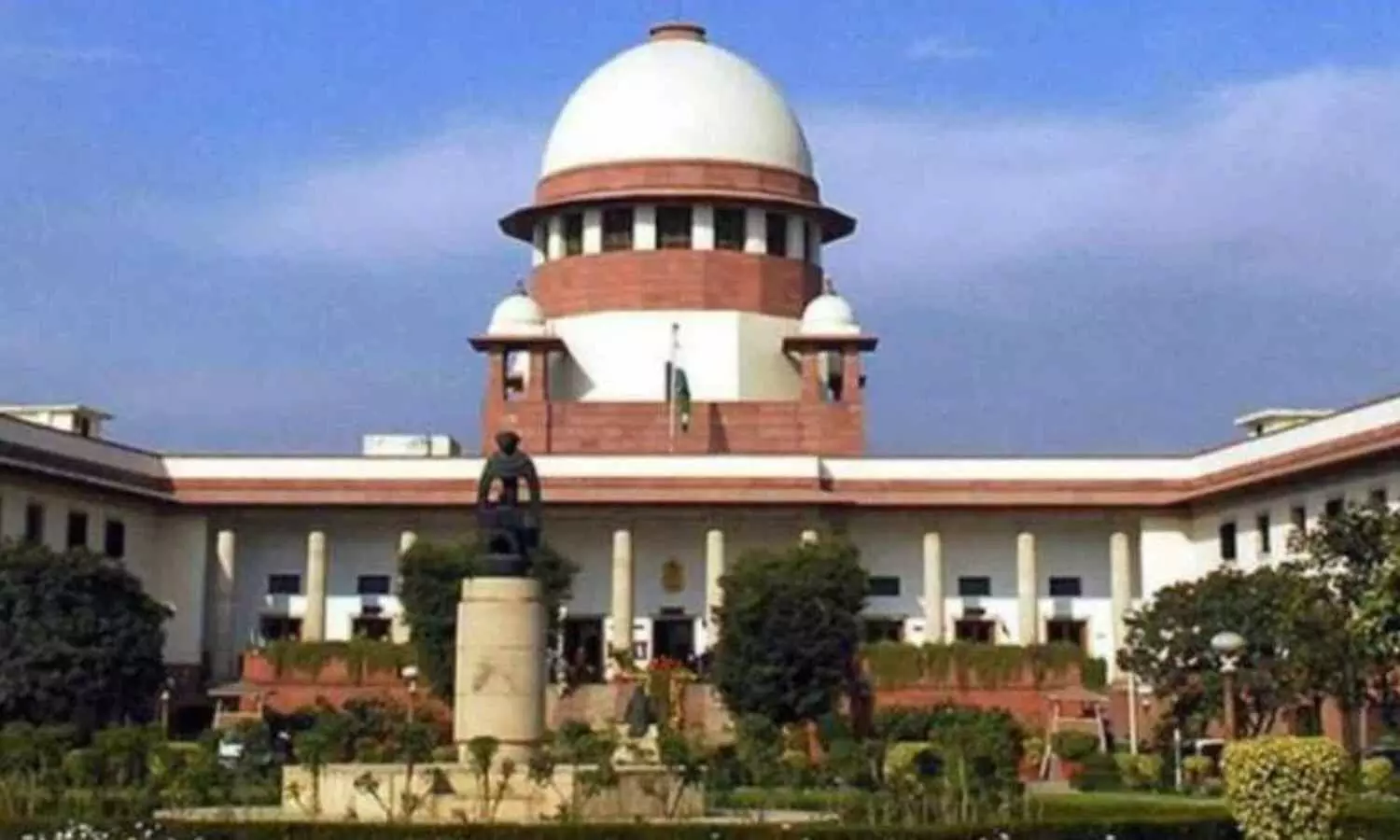
    In a significant ruling, the Supreme Court of India has granted relief to a government doctor accused of demanding a bribe for performing knee surgery, upholding the Rajasthan High Court’s decision that had quashed the State Government’s sanction for prosecution under the Prevention of Corruption Act, 1988.

    The Apex Court also strongly criticised the Rajasthan Government for reversing its earlier decision without any fresh evidence, observing that the sanction appeared to have been influenced by “political dictate.” The Court imposed a cost of ₹1 lakh on the State for pursuing what it termed an unjustified prosecution.

    The case arose from allegations that the doctor demanded ₹5,000 to ₹6,000 from the relative of a patient for a knee surgery. Acting on the complaint, investigating officials laid a trap on March 29, 2017, during which ₹2,000 was allegedly recovered from a drawer at the doctor’s official residence.

    When the State Government initially examined the matter, senior officials concluded that the available evidence did not clearly establish either a demand for or acceptance of a bribe. Officials observed that the recorded telephone conversation merely reflected the doctor’s explanation that steel plates required for the surgery would cost ₹5,000 to ₹6,000 because the patient was not covered under a government welfare scheme.

    Accordingly, the State initially declined to grant sanction for prosecution under the Prevention of Corruption Act. However, the matter was later reopened after the Joint Secretary in the Chief Minister’s Office sought reconsideration, arguing that the recovery of money from the doctor’s drawer justified prosecution. Subsequently, the Chief Secretary recommended granting sanction, prompting the doctor to challenge the decision before the Rajasthan High Court, which quashed the sanction.

    While dismissing the State’s appeal, the Supreme Court reiterated that sanction for prosecution is intended to protect honest public servants from frivolous, malicious and unsubstantiated criminal proceedings.

    The Bench of Justices J.B. Pardiwala and K. Vinod Chandran observed that where two possible views exist, authorities should adopt the interpretation favourable to the public servant, particularly because a criminal conviction requires proof beyond reasonable doubt.

    The Court further noted that if the administrative authority itself had expressed doubts regarding the alleged demand for a bribe, the trap proceedings and recovery of money, there was no justification for subsequently granting sanction based on the same material.

    Reaffirming settled legal principles, the Supreme Court held that a sanctioning authority cannot review or reverse an earlier refusal to prosecute unless fresh evidence emerges during the investigation. A mere change of opinion based on the same material, the Court said, is legally impermissible.

    The Bench relied on earlier Supreme Court judgments, including Mansukhlal Vithaldas Chauhan v. State of Gujarat, State of H.P. v. Nishant Sareen, Gopikant Choudhary v. State of Bihar, and State of Punjab v. Mohd. Iqbal Bhatti, which recognise sanction as a safeguard against harassment of innocent public servants rather than a shield for guilty officials.

    Holding that the present case involved unnecessary victimisation of the doctor, the Court found no reason to interfere with the Rajasthan High Court’s order. It observed that the review of the sanction was prompted by the Chief Minister’s Office without any fresh material and amounted to an abuse of the legal process.

    Dismissing the Special Leave Petition filed by the State of Rajasthan, the Supreme Court directed the State to pay costs of ₹50,000 before the High Court and ₹50,000 before the Supreme Court within two months. The Court also clarified that failure to comply would entitle the doctor to seek further directions from the Apex Court.

  • West Bengal Health Department Raids 6 Private Blood Banks Over Alleged Illegal Blood Trafficking

    West Bengal Health Department Raids 6 Private Blood Banks Over Alleged Illegal Blood Trafficking

    State launches inspections following complaints of illegal inter-state blood transfers and violations of blood donation norms at private blood banks.

    The West Bengal Health Department has carried out raids at six private blood banks across the state following allegations of illegal inter-state blood trafficking and violations of blood donation regulations.

    Inspection teams visited private blood banks located in Kolkata, Howrah, Nadia, Uttar Dinajpur, Purba Bardhaman and Paschim Bardhaman to examine complaints related to the alleged transfer of blood units to neighbouring states for monetary gain and the conduct of blood donation camps without qualified personnel. Officials said the inspection reports would be reviewed before any further action is taken.

    According to health department officials, complaints suggested that certain private blood banks were transferring blood and blood components in bulk to neighbouring states in exchange for money. Authorities reiterated that while blood banks are permitted to recover only the government-approved processing charges, the sale of blood or blood components is prohibited under existing regulations.

    “We have received complaints that some private blood banks were transferring blood units in bulk to neighbouring states for money. Selling blood or its components is illegal. Blood banks can only charge the government-fixed processing fee,” a blood safety official at Swasthya Bhawan said.

    Officials also received complaints that some blood donation camps were being organised without the presence of qualified and registered personnel, raising concerns over compliance with blood safety protocols and regulatory standards.

    The latest inspections are part of the state’s ongoing drive to curb alleged irregularities in blood banking services. Earlier, the Health Department had seized documents from three private blood banks in Kolkata during a similar investigation into suspected violations.

    West Bengal currently has 89 state-run blood centres, 17 Central government-run blood centres and 89 private blood centres. Officials said effective regulatory oversight remains essential to ensure the safe collection, storage and distribution of blood across the state.

  • NCISM Circular Backs AYUSH Practitioners, AMAI Welcomes Clarification Against ‘Quack’ Label

    NCISM Circular Backs AYUSH Practitioners, AMAI Welcomes Clarification Against ‘Quack’ Label

    AMAI says NCISM directive protects the legal rights of qualified AYUSH practitioners and calls for action against defamatory campaigns targeting Ayurveda doctors.

    The Ayurveda Medical Association of India (AMAI) has welcomed a circular issued by the National Commission for Indian Systems of Medicine (NCISM), which clarifies that qualified and registered practitioners of the Indian Systems of Medicine (ISM) are legally recognised medical practitioners and that referring to them as “quacks” or “fake doctors” is unlawful.

    In an official statement, the AMAI State Committee described the circular as a significant step towards safeguarding the professional dignity of practitioners holding recognised qualifications such as the Bachelor of Ayurvedic Medicine and Surgery (BAMS). The association stated that registered practitioners authorised under the law cannot be misrepresented or defamed by using derogatory terms.

    According to AMAI, the NCISM circular serves as a strong warning against individuals and organisations allegedly attempting to discredit Ayurveda and other Indian systems of medicine through social media campaigns and misinformation. The association alleged that such efforts are driven by vested interests seeking to undermine the credibility and public trust in traditional healthcare systems.

    The association further stated that the directive reinforces the legal recognition granted to practitioners under the Indian Medicine Central Council (IMCC) Act, 1970, and the National Commission for Indian System of Medicine (NCISM) Act, 2020. It maintained that publicly branding qualified and registered practitioners as “quacks” amounts to a violation of their constitutional and legal rights.

    Calling the NCISM clarification a landmark development, AMAI said the circular sends a clear message that misinformation and false propaganda against recognised Indian systems of medicine will not be tolerated. The organisation also urged the concerned authorities to initiate strict legal action against individuals and organisations allegedly involved in defamatory campaigns targeting qualified AYUSH practitioners.

    Reaffirming its commitment to protecting the interests of Ayurveda professionals, AMAI said it would continue to oppose any attempts to tarnish the image, credibility and growth of Ayurveda through legal and democratic means.

    The statement was jointly issued by AMAI State President Dr. K.S. Vishnu Namboothiri and General Secretary Dr. P.K. Haridas.

  • MoHFW Issues National Infection Prevention Guidelines to Reduce Healthcare-Associated Infections

    MoHFW Issues National Infection Prevention Guidelines to Reduce Healthcare-Associated Infections

    Centre says States responsible for hospital quality; IPHS, NQAS, Kayakalp and ICMR guidelines already in place to strengthen infection control and patient safety

    The Ministry of Health and Family Welfare (MoHFW) has issued the National Guidelines for Infection Prevention and Control in Healthcare Facilities to reduce the risk of Healthcare-Associated Infections (HAIs) and strengthen patient safety across healthcare institutions in India.

    The information was shared by Minister of State for Health and Family Welfare Shri Prataprao Jadhav in a written reply during a recent Rajya Sabha session. The Minister stated that the Centre has also issued several quality standards and operational frameworks, including the National Quality Assurance Standards (NQAS), Kayakalp Guidelines, and Indian Public Health Standards (IPHS), to improve healthcare quality, infection prevention, biomedical waste management, periodic quality audits, and patient safety.

    The reply came in response to questions raised by Rajya Sabha MP Dr Ajeet Madhavrao Gopchade, who sought clarification on whether the government has a uniform national policy prescribing the maximum number of surgical procedures that can be performed in an operation theatre (OT) each day. The MP also questioned whether reports of post-operative infections and patient deaths linked to excessive surgical workload had been examined and whether current practices align with the World Health Organization’s safe surgery guidelines.

    The MP further asked whether the Centre plans to prescribe mandatory minimum intervals between consecutive surgeries and require hospitals to declare their OT capacity based on infrastructure, surgical workload, and periodic compliance audits.

    Responding to these concerns, the Minister clarified that ‘Public Health’ and ‘Hospitals’ are State subjects under the Constitution. Therefore, ensuring quality healthcare services, patient safety, and infection prevention in hospitals primarily remains the responsibility of the respective State and Union Territory governments.

    The Minister added that the Operational Guidelines for Operation Theatre Complex, issued under the Indian Public Health Standards (IPHS) 2022, provide comprehensive recommendations covering the planning, design, functioning, infection prevention, and quality assurance of operation theatre complexes in public health facilities.

    He also informed the House that the Indian Council of Medical Research (ICMR) had issued Hospital Infection Control Guidelines in 2016 to help healthcare institutions establish structured infection control programmes. According to the Ministry, adverse events, including healthcare-associated infections, are monitored and managed by individual healthcare institutions as well as the respective State and Union Territory governments in accordance with applicable rules, guidelines, and institutional mechanisms.

  • Rajnath Singh Launches India’s First Department of Military Medicine in Lucknow

    Rajnath Singh Launches India’s First Department of Military Medicine in Lucknow

    New Centre to Advance Combat Medicine, Trauma Care, CBRNe Response and Military Medical Research

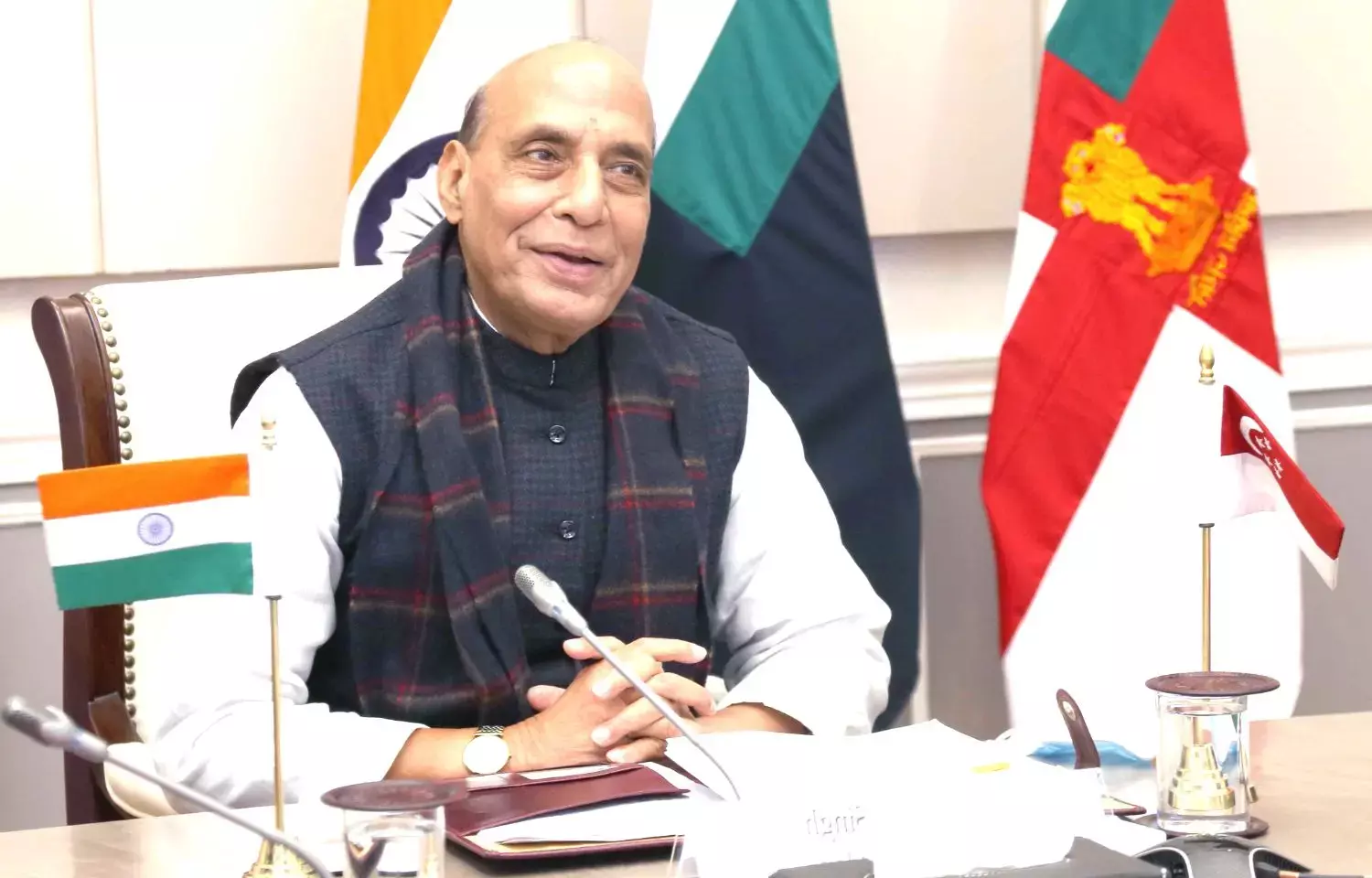
    Defence Minister Rajnath Singh on Wednesday inaugurated India’s first dedicated Department of Military Medicine at the Command Hospital (Central Command) in Lucknow, describing it as a major step towards strengthening the country’s defence medical capabilities and preparing the Armed Forces to tackle emerging security and healthcare challenges.

    The department, inaugurated virtually, is the country’s first academic and operational facility exclusively focused on military medicine. It has been established under the Directorate General of Medical Services (Army) and will function as the principal academic, research and doctrinal hub for the Armed Forces Medical Services (AFMS).

    Speaking at the inauguration, Rajnath Singh highlighted the increasing importance of military medicine, stating that the discipline addresses the physical and psychological challenges faced by soldiers during combat and deployment in extreme operational environments.

    “Our soldiers are deployed in some of the world’s most challenging terrains and climates. This department will develop specialised medical protocols suited to these operational conditions,” the Defence Minister said.

    Emphasising evolving security threats, Singh noted that the risk posed by weapons of mass destruction continues to exist. He said the new department would serve as a centre for research and innovation, helping India prepare for emerging threats driven by rapid technological advancements.

    According to the Defence Ministry, the department will strengthen expertise in disaster response, field hospital deployment, mass casualty management and epidemic control. It will also support India’s humanitarian assistance and disaster relief (HADR) missions and its contributions to United Nations peacekeeping operations.

    The Department of Military Medicine will offer structured education and specialised training in military and operational medicine. It will facilitate postgraduate programmes in combat medicine, combat surgery, trauma care and other specialised fields while promoting indigenous research aligned with India’s defence requirements.

    Rajnath Singh expressed confidence that the department would become a premier training centre for young doctors of the Army Medical Corps, equipping them with advanced battlefield healthcare skills and life-support techniques.

    He also said the initiative would create new career opportunities for medical professionals by introducing super-specialisation in military medicine, strengthening India’s medical research ecosystem and enhancing its global standing in defence healthcare.

    Highlighting the importance of preventive healthcare, Singh described it as the first line of defence for national security. He called for greater use of disease surveillance, vaccination, sanitation, nutrition, occupational health, physical fitness and routine health screenings to maintain troop readiness.

    The Defence Minister further stressed the role of emerging technologies such as artificial intelligence (AI), wearable devices, predictive analytics and advanced diagnostics in enabling real-time health monitoring and early detection of health risks among soldiers.

    The department will focus on specialised areas including military trauma and damage control, combat psychiatry, environmental and operational medicine, military medical logistics, Chemical, Biological, Radiological, Nuclear and Explosive (CBRNe) medical response, emergency medicine, critical care, disaster medicine, humanitarian assistance and disaster relief (HADR), research, audit and data analytics.

    The Defence Ministry said the institution will also promote technology-driven battlefield medicine, simulation-based training, telemedicine, prolonged field care and medical decision-support systems.

    The department will be developed in phases. The initial phase will focus on establishing academic programmes, while subsequent phases will create Centres of Excellence in Humanitarian Assistance and Disaster Relief (HADR) and CBRNe medicine.

  • Doctor, Husband and Two Family Members Arrested for Alleged Murder of Junior Engineer

    Doctor, Husband and Two Family Members Arrested for Alleged Murder of Junior Engineer

    Police Allege Victim Was Lured to House Over Suspected Relationship Before Being Killed and Body Dumped Near Drain

    A doctor and three of her family members have been arrested in connection with the alleged murder of a Junior Engineer (JE) from the Jal Shakti Department in Himachal Pradesh’s Kullu district. Police allege the accused conspired to kill the engineer following a dispute over a suspected relationship.

    According to police, the accused include a woman doctor posted at the Regional Hospital, Kullu, her husband, an Ayurvedic physician, her father-in-law and her brother-in-law.

    The investigation was carried out by a Special Investigation Team (SIT) headed by Additional Superintendent of Police Sanjeev Chauhan. Superintendent of Police Madan Lal Kaushal said the case, which initially appeared to be a blind murder, was cracked using scientific evidence, including call detail records (CDRs), CCTV footage and other technical inputs.

    Police alleged that the victim was called to the accused’s residence in Gandhi Nagar on July 24 on the pretext of inspecting a water pipeline. Investigators claim that a confrontation took place after the accused questioned him over an alleged relationship with the woman doctor.

    According to the police, the argument escalated into violence, leading to the victim’s death. The accused allegedly dumped the body near a drain in an attempt to make the incident appear as an accident.

    The victim was found unconscious near the Jal Shakti Department office on the morning of July 25 and was rushed to the Regional Hospital, Kullu. He was later referred to AIIMS Bilaspur, where he succumbed to his injuries on July 26.

    During the investigation, the SIT reconstructed the sequence of events using mobile phone records, CCTV footage from multiple locations and other scientific evidence. Police officials said the statement of the family’s domestic help also played a crucial role in establishing the timeline of the alleged crime.

    All four accused have undergone medical examination and were produced before the court. Police maintain that the murder was premeditated and allegedly motivated by suspicion over the victim’s relationship with the woman doctor. Further investigation is underway.

  • Supreme Court Directs States, UTs and NCAHP to File Compliance Reports on Allied Healthcare Act

    Supreme Court Directs States, UTs and NCAHP to File Compliance Reports on Allied Healthcare Act

    Court Warns of Personal Appearance for Officials if Directions on NCAHP Act, 2021 Remain Unimplemented

    The Supreme Court has directed the National Commission for Allied and Healthcare Professions (NCAHP), all State Governments and Union Territories to file compliance affidavits detailing the measures taken to implement the provisions of the National Commission for Allied and Healthcare Professions (NCAHP) Act, 2021.

    The direction was issued by a Bench comprising Justice Vikram Nath and Justice Sandeep Mehta while hearing a writ petition filed by the Joint Forum of Medical Technologists of India (JFMTI) and other petitioners under Article 32 of the Constitution. The petition seeks effective implementation of the NCAHP Act, 2021, which regulates the education, training and professional standards of allied and healthcare professionals across the country.

    The Court observed that the Act was enacted by Parliament on March 24, 2021, notified on March 28, 2021, and came into force on May 25, 2021, with the objective of establishing a structured regulatory framework for allied healthcare professions and preventing the growth of unregulated educational institutions.

    Referring to its earlier order dated August 12, 2024, the Bench noted that although the Union Government had constituted the National Commission, several key provisions of the Act had still not been fully implemented. At that time, the Court had observed that only 14 States had constituted State Councils and had directed governments to frame rules, establish councils, create the required infrastructure and operationalise the regulatory framework.

    During the latest hearing, counsel for the petitioners submitted that the National Commission had yet to frame regulations required under Section 66 of the Act. It was also argued that although 15 States had constituted State Councils, several of them had either not been notified or remained non-functional.

    The petitioners contended that the continued absence of regulations and functioning councils amounted to a violation of both the NCAHP Act, 2021 and the Supreme Court’s earlier directions.

    Appearing for the Union Government, Additional Solicitor General Vikramjit Banerjee informed the Court that several responsibilities under the Act lie with the State Governments and requested directions to ensure compliance by the States.

    Taking note of the incomplete implementation, the Supreme Court directed the Chief Secretaries and Health Secretaries of all States and Union Territories, along with the National Commission, to submit detailed compliance affidavits.

    The affidavits must specify the status of notification of State Councils, framing of rules under Section 68(2)(a-e), framing of regulations under Section 66 by the National Commission, and all other steps required under the Court’s order dated August 12, 2024.

    The Court further directed that copies of the order be immediately sent to the Chief Secretaries, Home Secretaries, administrators of Union Territories and the National Commission. It warned that failure to comply with its directions could result in the personal appearance of the concerned officials before the Court.

    The matter has been listed for further hearing on September 22, 2026.

    Welcoming the development, the Joint Forum of Medical Technologists of India (JFMTI) said the timely implementation of the NCAHP Act, 2021 is essential for ensuring uniform regulation, quality education, professional standards and patient safety in allied and healthcare professions. The forum also urged governments, institutions and professional bodies to actively support the implementation of the legislation.