NEW DELHI — As persistent menstrual health challenges continue to impact the education and quality of life for millions of women and adolescents, health experts are highlighting homeopathy as a sustainable, holistic, and patient-centric care option.
A Growing Public Health Concern
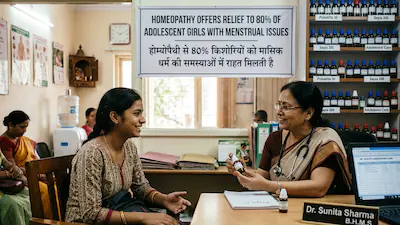
Findings from the Central Council for Research in Homoeopathy (CCRH), under the Ministry of Ayush, reveal a significant crisis: a program covering over 10,000 adolescent girls across 24 states showed that 80% face disruptions in daily activities, with 30% reporting school absenteeism due to menstrual issues.
Homeopathy as a Sustainable Alternative
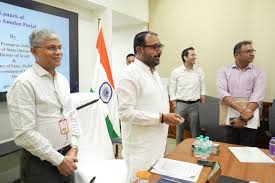
Ahead of World Homoeopathy Day (April 10), themed “Homoeopathy for Sustainable Health,” experts and officials, including Union Ayush Minister Prataprao Jadhav, are advocating for holistic, long-term care. Homeopathy is highlighted as a safe, cost-effective, and individualized approach to managing conditions like PCOS and irregular cycles. Proponents suggest it aids in reducing reliance on long-term hormonal treatments by addressing root causes rather than just symptoms.
Expanding Research and Outreach
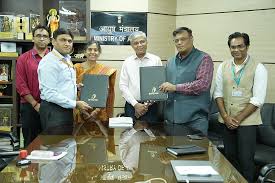
To address these issues, the CCRH is expanding its initiative to 16 more states, targeting another 10,000 girls with educational programs and clinical care. Dr. Subhash Kaushik, DG of CCRH, emphasized that individualized homeopathic treatment is crucial for enhancing the overall quality of life and supporting women’s health as a foundation of society.
This shift aligns with broader goals to integrate traditional systems into primary healthcare, aiming for “Health and Wellness for All”.