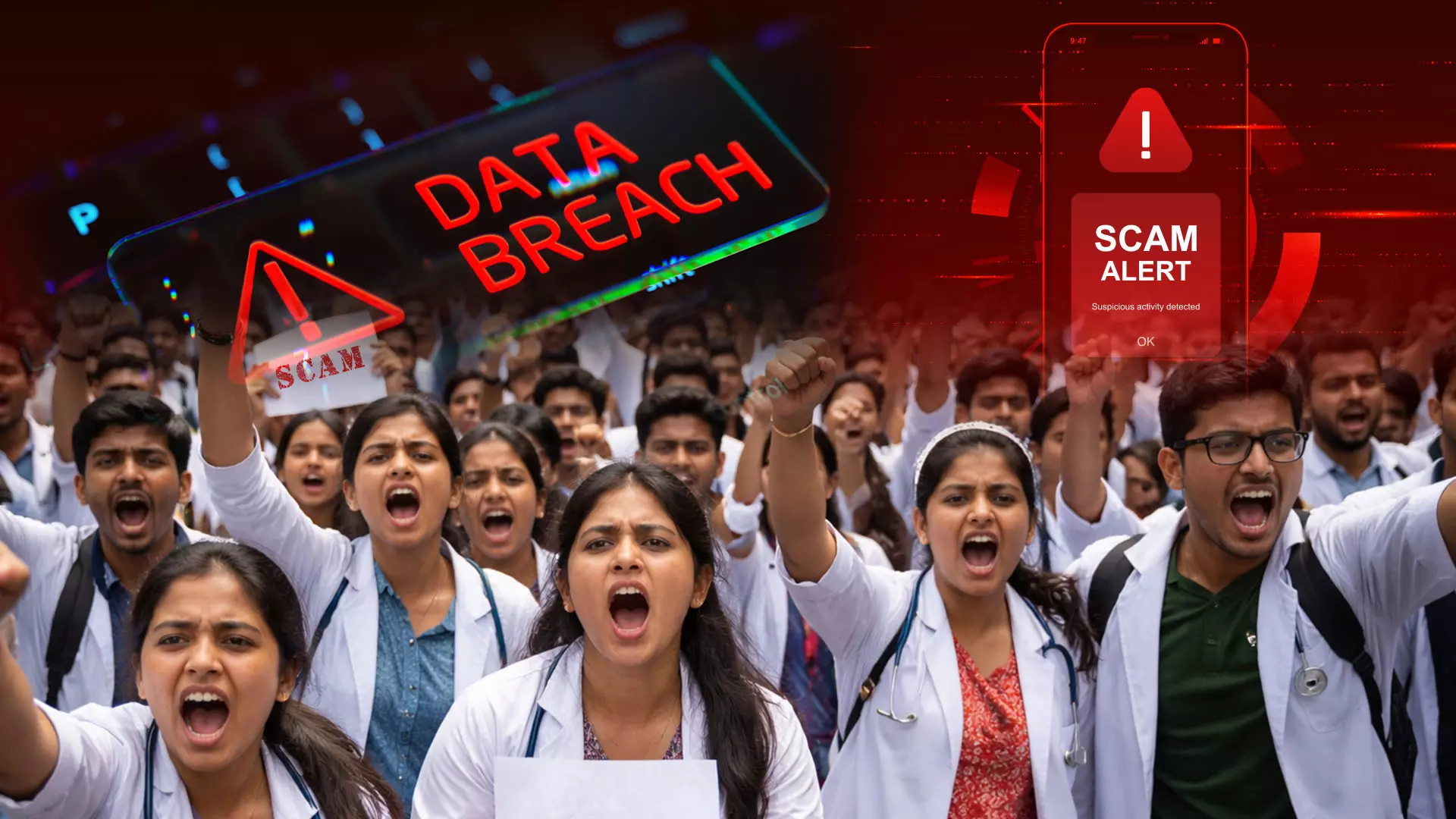
PATNA: A formal statutory complaint lodged with the National Medical Commission (NMC) and the Bihar Directorate of Medical Education (DME) has triggered deep anxieties within the medical fraternity. The complaint alleges a highly organised, multi-million-rupee NEET PG seat-blocking scam operating through the NRI quota at Madhubani Medical College, Bihar, during the 2025–2026 academic session. The detailed disclosure reveals how premium clinical postgraduate seats are systematically siphoned away from meritorious Indian doctors. It exposes a strategic legal and financial nexus operating under the gaze of regulatory monitoring agencies.
The Anatomy of “Seat-Blocking” and Cut-Off Manipulation
The core operational mechanics of the alleged scam involves a well-calibrated timeline designed to bypass standard merit list counseling. According to the comprehensive whistleblower complaint, a deeply entrenched network of independent brokers, acting in collusion with college administrative staff, intentionally “blocked” highly sought-after clinical postgraduate seats. These specifically included specialties like MS Obstetrics and Gynaecology.
[Meritorious Non-Joining Candidates Block Key Clinical Seats]
│
▼
[Seats Held Securely Across Early Counselling Rounds]
│
▼
[National Regulatory Bodies Reduce NEET PG Percentile Cut-Off]
│
▼
[Blocked Seats ‘Released’ & Allocated to Low-Rank Ineligible Candidates]
│
▼
[Admissions Finalised via Fabricated NRI Documents & Forged Family Trees]
This strategic delay ensures that premium clinical specializations do not go to high-ranking, honest medical aspirants during the routine national and state counseling rounds. Instead, the seats remain artificially occupied until the national regulatory bodies lower the qualifying percentile cut-off due to unfilled vacancies. Immediately following the cut-off reduction, these pre-selected, lower-ranked candidates are swiftly granted admissions via backdoor channels.
Exploitation of the NRI Quota and Forged Documentation
To facilitate these backdoor entries, the racket heavily relies on manipulating the Non-Resident Indian (NRI) quota protocols. The anonymous complainant highlighted that the system violates landmark directives established by the Supreme Court of India in the P.A. Inamdar case. The apex court rules dictate clear, verifiable boundaries for genuine NRI sponsorship eligibility to maintain structural transparency.
However, the documentation submitted to the Directorate of Medical Education (DME) Bihar suggests systemic forgery. The broker networks allegedly fabricated extensive “family trees” to falsely project distant, entirely unrelated individuals as direct NRI blood relatives of the applicants. These fraudulent sponsorships were packaged alongside forged financial transaction records and questionable passport verifications to fulfill institutional compliance frameworks during spot admissions.
Regulatory Inaction Disappoints the Medical Community
The most troubling aspect for Indian doctors is the lack of immediate administrative intervention. The documentation reveals that the Bihar State Vigilance Department intercepted early indicators of this practice. The Vigilance Department formally forwarded a detailed advisory to the State Health Department, alerting them to check ongoing postgraduate allocations.
Despite these high-level institutional warnings, both the National Medical Commission (NMC) and state counseling authorities failed to initiate an immediate forensic or document audit. This regulatory delay has caused widespread anger among medical associations and resident doctor groups. Aggrieved aspirants argue that the lack of prompt action enables institutional networks to alter internal records, permanently robbing deserving candidates of their specializations.
Urgent Professional Repercussions for Indian Doctors
For practicing physicians and resident doctors across India, this developing scandal highlights several critical threats to the healthcare system:
- Devaluation of Medical Meritocracy: When multi-lakh financial transactions dictate clinical seat allocations over NEET PG scores, the academic credibility of advanced Indian medical specialization drops significantly.
- Compromise in Healthcare Delivery: Allowing poorly qualified candidates to buy complex specializations like MS Gynaecology threatens long-term patient safety and drops clinical standards in tertiary healthcare.
- Demands for Centralised Document Audits: The medical fraternity is calling for the NMC to enforce strict, third-party passport and financial audits for all NRI-sponsored medical admissions across India to prevent future loopholes.
The Madhubani Medical College controversy serves as a crucial test case for the NMC’s new regulatory powers. Doctors nationwide are monitoring whether the authorities will clear the system or let backdoor commercialization dictate the future of medical education.