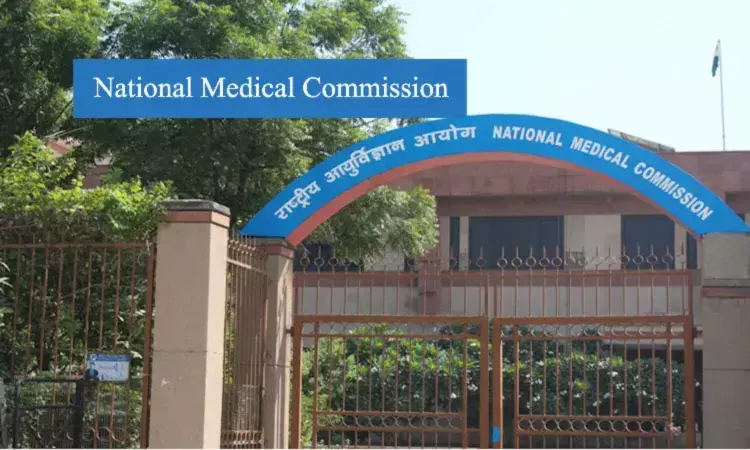
NEW DELHI: In a major administrative intervention aimed at safeguarding the timeline of advanced medical certifications, the apex medical regulator has issued an urgent directive addressing a critical shortage of examination infrastructure across the country. The Postgraduate Medical Education Board (PGMEB) of the National Medical Commission (NMC) has officially instructed all affiliated government medical colleges and tertiary institutions to provide active infrastructure and logistical support to the National Board of Examinations in Medical Sciences (NBEMS). The sweeping advisory comes in response to formal grievances raised by the testing board regarding an acute deficiency in examination facilities and an escalating reluctance among institutional heads to relieve qualified faculty for mandatory examiner duties.
The regulatory mandate highlights a major imbalance between the rapid influx of medical postgraduates and the existing evaluation networks. According to the statutory advisory, the volume of candidates qualifying for and registering to take the NBEMS final practical and postdoctoral examinations has grown exponentially over successive academic terms. This demographic surge has placed immense pressure on the national assessment framework, requiring an immediate increase in dedicated physical test sites, advanced diagnostic machinery, standardized clinical scenarios, and experienced senior evaluators.
The evaluation framework, however, has encountered severe operational bottlenecks. The testing board expressed concern over cases where medical colleges either lacked the necessary physical venues to accommodate large student cohorts or refused to participate as designated evaluation hubs. The regulator noted that this structural shortage directly threatens the timely execution of terminal assessments, potentially stalling the entry of specialized medical professionals into the healthcare workforce.
To break this operational deadlock, the regulatory board has directed all government medical institutions under its jurisdiction to actively accommodate these clinical assessments, subject to basic administrative feasibility. The commission specified that colleges must guarantee the absolute availability of specialized teaching wards, advanced laboratories, modern diagnostic equipment, and appropriate clinical material or patients required to rigorously test the candidates. The directive emphasizes that the integrity of advanced medical degrees depends entirely on the standardized, hands-on environment provided during these critical practical evaluations.
Beyond physical infrastructure, the directive addresses a human resource issue involving senior medical faculty. The apex body noted with concern that several institutions have routinely withheld permission or failed to promptly relieve nominated and eligible professors chosen to serve as external board examiners. To rectify this, the commission has ordered institutional heads to streamline their internal scheduling and relieve nominated educators without delay, ensuring smooth coordination with testing coordinators.
Addressing the financial anxieties often cited by individual college administrations, the regulator clarified that the testing board fully covers the operational overheads. The notice explicitly states that the board systematically reimburses host institutions for all verified expenses incurred during the multi-day examination process. Furthermore, all participating external examiners receive approved, standardized financial compensation for their academic services and evaluation hours.
The regulatory authority concluded by emphasizing that proactive institutional cooperation is essential for maintaining the overarching standards of postgraduate medical training in the country. Institutional compliance with this directive will be closely monitored to prevent further scheduling delays and protect the academic interests of thousands of advanced medical candidates nationwide.