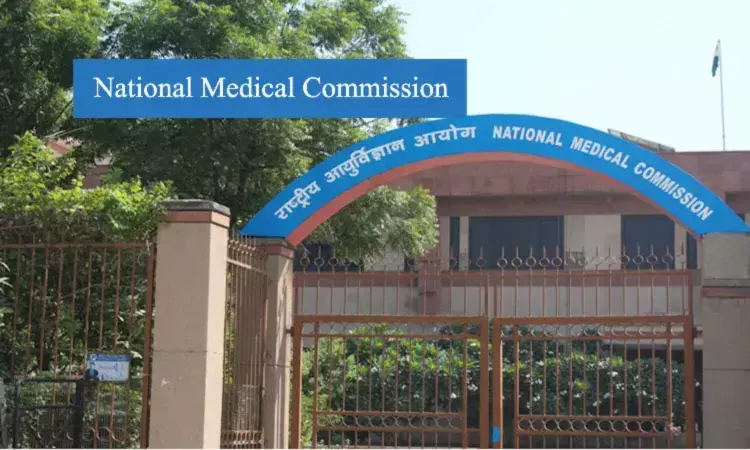
NEW DELHI – In a significant move to uphold the quality and timeline of postgraduate medical education, the National Medical Commission (NMC) has issued a comprehensive advisory to all government medical colleges and institutions across the country. The directive, issued by the Postgraduate Medical Education Board (PGMEB) on May 8, 2026, mandates proactive cooperation and infrastructure support for the smooth conduct of practical examinations organized by the National Board of Examinations in Medical Sciences (NBEMS).
The Mandate for Institutional Cooperation
The advisory comes at a critical juncture in the academic calendar, emphasizing that the active participation of established medical institutions is vital for maintaining high standards of medical evaluation. The NMC Secretary, Dr. Raghav Langer, highlighted that the timely conduct of these examinations is in the “larger public and academic interest.”
Under the new guidelines, medical colleges are required to facilitate NBEMS practical exams within their premises, provided there is administrative feasibility. This includes ensuring the availability of necessary infrastructure, such as dedicated hospital wards, laboratories, and specific clinical material or patients required for the assessment of candidates.
Addressing Faculty and Resource Challenges
One of the primary focuses of the advisory is the availability of qualified examiners. The NMC has instructed institutions to promptly relieve faculty members who have been nominated for examiner duties. By ensuring that these experts are available to conduct assessments, the Commission aims to prevent delays that have previously hindered the certification process for postgraduate students.
To address concerns regarding the financial burden on host institutions, the NMC clarified that NBEMS provides suitable compensation to examination centers for expenses incurred during the conduct of these tests. Furthermore, examiners are provided with approved remuneration for their services, ensuring that the contribution of medical professionals is appropriately recognized.
Vigilance and Fair Conduct
Beyond the physical logistics of the practicals, the NMC has also underscored the need for strict vigilance during the examination period. Earlier advisories from the commission, particularly those concerning the NEET UG 2026 exams, have already set a precedent for high-stakes testing integrity. Colleges have been urged to sensitize students and staff against any involvement in activities that could jeopardize the sanctity of the examination process.
Specifically, the NMC has advised institutions to discourage the granting of leaves to students and essential staff around key examination dates, except in exceptional circumstances. This measure is intended to ensure that campuses remain focused on academic commitments and to minimize the risk of external disruptions.
The Road Ahead for Medical Education
As the medical fraternity prepares for the June 2026 session—which includes the FMGE and other diploma final exams—this advisory serves as a roadmap for institutional accountability. By bridging the gap between the National Board and local medical colleges, the NMC is working to ensure that the next generation of specialists is assessed fairly and efficiently.
The Commission has directed the Additional Chief Secretaries and Secretaries of Medical Education across all States and Union Territories to oversee the implementation of these instructions. Failure to comply with these guidelines could result in administrative reviews, as the NMC seeks to standardize the examination experience across diverse regions of India.