NEW DELHI — In a significant push to elevate India’s soft power and medical heritage, the Department-related Parliamentary Standing Committee on Health and Family Welfare has recommended that the Ministry of Ayush identify “priority partner countries” for the global promotion of traditional medicine. This move is part of a broader strategy to establish targeted collaboration frameworks focusing on joint research, clinical studies, and capacity-building initiatives.
The committee’s 174th report on the Demands for Grants 2026-27 highlights that while India has made strides in international recognition, a more structured and country-specific approach is necessary to maximize the global impact of Ayurveda, Yoga, Unani, Siddha, and Homeopathy.
A Data-Driven Global Strategy
The panel, chaired by Prof. Ram Gopal Yadav, emphasized that the Ministry should move beyond general cooperation and pinpoint nations where the potential for traditional medicine is highest. By identifying priority partners, India can develop tailored agreements that address specific local regulatory requirements, fostering smoother international promotion and recognition.
According to the report, the Ministry’s budget for the International Cooperation (IC) Scheme has seen a steady rise, reaching an estimated ₹142 crore in the 2025-26 period. This funding has already supported the establishment of Ayush Information Cells in nations such as Belarus, Muscat, and Slovakia, as well as country-to-country agreements with Angola and Kazakhstan. However, the panel believes a more aggressive identification of “strategic partners” will accelerate this momentum.
Key Pillars: Research and Standardization
The recommendations place a heavy premium on scientific validation. The panel urged the Ministry to initiate large-scale multicentric clinical trials to evaluate Ayush interventions for major non-communicable diseases. To build global confidence, the committee suggested that research data be standardized and shared through a strengthened National Ayush Research Portal.
“Achieving the projected Ayush market size of $200 billion by 2030 requires substantial expansion of exports supported by robust quality assurance,” the committee noted. This involves not only selling products but also exporting the systems of education and practice by establishing Ayush Academic Chairs in foreign universities.
Integration with Global Health Standards
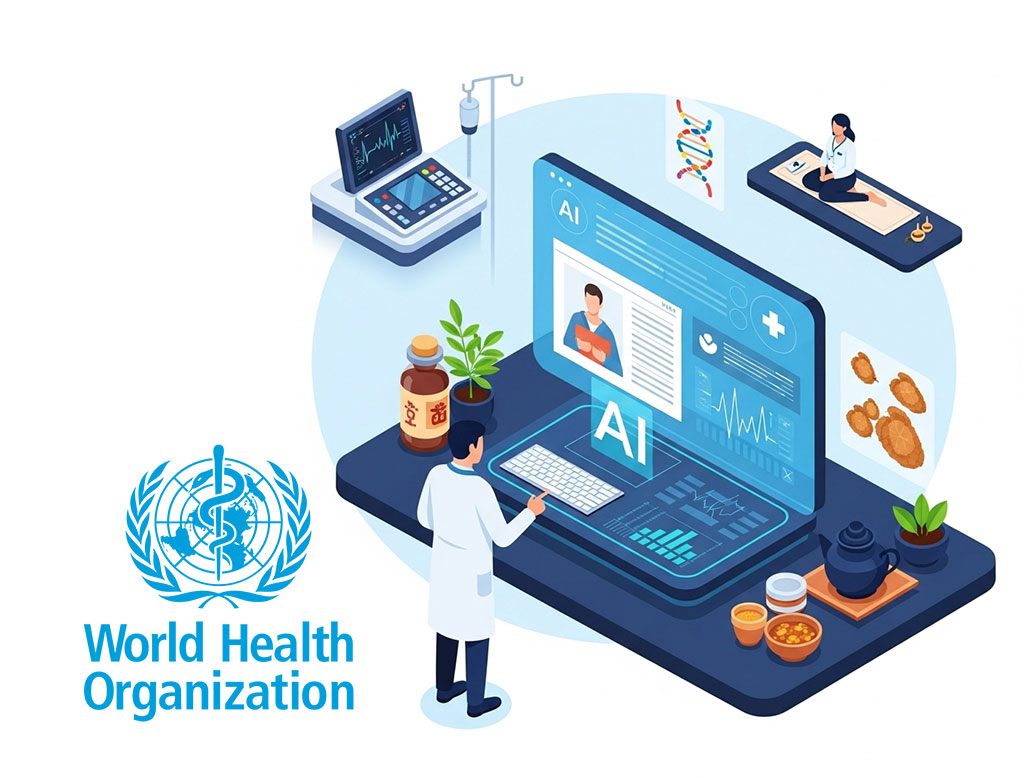
The push for priority partnerships aligns with India’s ongoing work with the World Health Organization (WHO). Recent milestones include the development of a dedicated Traditional Medicine module under the International Classification of Health Interventions (ICHI). This global standard will allow practitioners worldwide to classify and report traditional treatments, significantly enhancing their credibility.
Furthermore, the committee advised the Ministry to continue its multinational cooperation through forums like BRICS and G20, and to ensure that traditional medicine is incorporated into Free Trade Agreements (FTAs), as recently seen in deals with the European Union and New Zealand.
As the Ministry prepares for the 2nd WHO Global Summit on Traditional Medicine in late 2025, these recommendations serve as a blueprint for transforming India from a domestic provider into a global leader in holistic healthcare.