“Right to Sue” Survives: Legal Heirs Can Be Impleaded in Negligence Cases, Rules Supreme Court
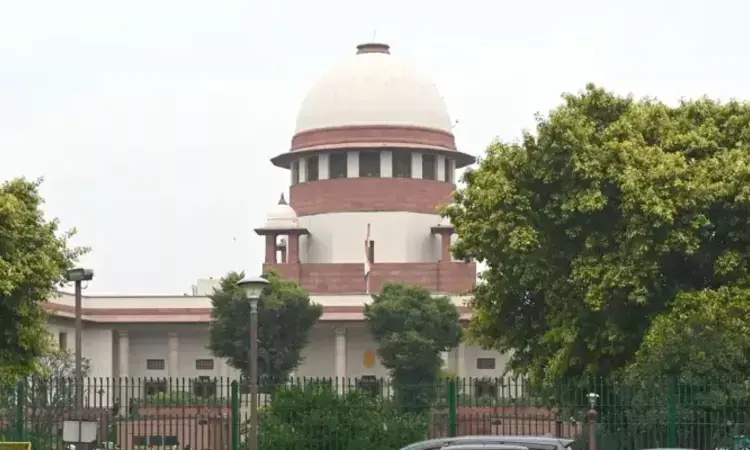
NEW DELHI – In a judgment with profound implications for the medical profession and patient rights, the Supreme Court of India ruled on May 4, 2026, that medical negligence claims do not extinguish upon the death of the accused practitioner. The apex court held that the “right to sue” survives the professional’s demise, allowing complainants to implead and proceed against the deceased doctor’s legal heirs to recover damages from the estate left behind.
The Core Ruling and Legal Doctrine
The division bench of Justices J.K. Maheshwari and Atul S. Chandurkar delivered the verdict in the case of Kumud Lall v. Suresh Chandra Roy (Dead) Through LRs & Ors.. The Court performed a deep dive into historical legal principles, specifically examining the common law maxim actio personalis moritur cum persona—the principle that a personal action dies with the person.
The Bench clarified that while purely personal injury claims involving non-pecuniary losses (such as pain and suffering alone) may abate, claims that involve pecuniary liability (financial loss to the estate or consumer) continue against the assets left by the deceased. The Court noted that this ancient maxim has been statutorily modified in India by the Indian Succession Act, 1925, and the Legal Representatives’ Suits Act, 1855.
Safeguards for Legal Heirs
While the ruling expands accountability, it provides a critical safety net for the family of the deceased doctor. The Court established two primary conditions:
- No Personal Liability: Legal heirs (such as spouses or children) are not personally liable for the alleged negligence. They cannot be forced to pay from their independent personal savings or property.
- Asset-Linked Recovery: The financial responsibility of the heirs is strictly limited to the extent of the estate or assets they inherited from the deceased doctor. If no estate was inherited, the heirs cannot be held liable to pay any compensation.
Facts of the 36-Year Legal Battle
The ruling arose from an “exceptional case” that began over three decades ago:
- February 1990: A woman suffering from severe eye pain consulted Dr. P.B. Lall (deceased), who performed surgery on February 11, 1990.
- Alleged Negligence: The patient later consulted experts at Shankar Netralaya, Madras, who allegedly confirmed she had lost vision in her right eye due to the previous treatment.
- 1997: A consumer complaint was filed against Dr. Lall seeking compensation for treatment costs and mental agony.
- 2003: A District Forum in Munger, Bihar, found the doctor negligent and awarded ₹2.60 lakh in compensation.
- 2009: While a revision petition was pending before the National Consumer Disputes Redressal Commission (NCDRC), Dr. Lall passed away. The doctor’s heirs (his wife and son) had challenged their impleadment, arguing that since no final decree existed at the time of the doctor’s death, the proceedings should abate. The Supreme Court rejected this contention, ruling that the right to seek relief remains active so long as the estate exists to satisfy a potential decree.
The “Right to Sue” and Consumer Protection
The Court emphasized that the Consumer Protection Act is beneficial legislation designed to protect consumers. By referencing Section 13(7) of the 1986 Act (and Section 38(12) of the 2019 Act), the Court held that Order XXII of the Code of Civil Procedure (CPC) applies to these cases. Under these rules, if the “right to sue” survives—which the Court determined it does for pecuniary claims—legal representatives must be brought on record to represent the estate.
Global Context and Future Policy
The Bench observed that the application of the actio personalis maxim is now largely academic in common law jurisdictions like the United Kingdom, where tort claims have long survived against estates. The Court even suggested that the Law Commission of India should revisit Section 306 of the Indian Succession Act to debate further expanding the scope of survivability for tortious claims.
Conclusion and Remittance
The Supreme Court set aside the previous orders that hindered the case’s progress and remitted the matter back to the NCDRC for adjudication on its merits. The Commission has been directed to decide within six months whether medical negligence actually occurred and, if so, the exact financial liability that can be legally enforced against the doctor’s estate.
This judgment serves as a vital reminder to medical professionals to maintain adequate professional indemnity insurance, which can protect their assets and heirs from litigation that may outlive their own careers.
NEW DELHI – In a judgment with profound implications for the medical profession and patient rights, the Supreme Court of India ruled on May 4, 2026, that medical negligence claims do not extinguish upon the death of the accused practitioner. The apex court held that the “right to sue” survives the professional’s demise, allowing complainants to implead and proceed against the deceased doctor’s legal heirs to recover damages from the estate left behind.
The Core Ruling and Legal Doctrine
The division bench of Justices J.K. Maheshwari and Atul S. Chandurkar delivered the verdict in the case of Kumud Lall v. Suresh Chandra Roy (Dead) Through LRs & Ors.. The Court performed a deep dive into historical legal principles, specifically examining the common law maxim actio personalis moritur cum persona—the principle that a personal action dies with the person.
The Bench clarified that while purely personal injury claims involving non-pecuniary losses (such as pain and suffering alone) may abate, claims that involve pecuniary liability (financial loss to the estate or consumer) continue against the assets left by the deceased. The Court noted that this ancient maxim has been statutorily modified in India by the Indian Succession Act, 1925, and the Legal Representatives’ Suits Act, 1855.
Safeguards for Legal Heirs
While the ruling expands accountability, it provides a critical safety net for the family of the deceased doctor. The Court established two primary conditions:
- No Personal Liability: Legal heirs (such as spouses or children) are not personally liable for the alleged negligence. They cannot be forced to pay from their independent personal savings or property.
- Asset-Linked Recovery: The financial responsibility of the heirs is strictly limited to the extent of the estate or assets they inherited from the deceased doctor. If no estate was inherited, the heirs cannot be held liable to pay any compensation.
Facts of the 36-Year Legal Battle
The ruling arose from an “exceptional case” that began over three decades ago:
- February 1990: A woman suffering from severe eye pain consulted Dr. P.B. Lall (deceased), who performed surgery on February 11, 1990.
- Alleged Negligence: The patient later consulted experts at Shankar Netralaya, Madras, who allegedly confirmed she had lost vision in her right eye due to the previous treatment.
- 1997: A consumer complaint was filed against Dr. Lall seeking compensation for treatment costs and mental agony.
- 2003: A District Forum in Munger, Bihar, found the doctor negligent and awarded ₹2.60 lakh in compensation.
- 2009: While a revision petition was pending before the National Consumer Disputes Redressal Commission (NCDRC), Dr. Lall passed away. The doctor’s heirs (his wife and son) had challenged their impleadment, arguing that since no final decree existed at the time of the doctor’s death, the proceedings should abate. The Supreme Court rejected this contention, ruling that the right to seek relief remains active so long as the estate exists to satisfy a potential decree.
The “Right to Sue” and Consumer Protection
The Court emphasized that the Consumer Protection Act is beneficial legislation designed to protect consumers. By referencing Section 13(7) of the 1986 Act (and Section 38(12) of the 2019 Act), the Court held that Order XXII of the Code of Civil Procedure (CPC) applies to these cases. Under these rules, if the “right to sue” survives—which the Court determined it does for pecuniary claims—legal representatives must be brought on record to represent the estate.
Global Context and Future Policy
The Bench observed that the application of the actio personalis maxim is now largely academic in common law jurisdictions like the United Kingdom, where tort claims have long survived against estates. The Court even suggested that the Law Commission of India should revisit Section 306 of the Indian Succession Act to debate further expanding the scope of survivability for tortious claims.
Conclusion and Remittance
The Supreme Court set aside the previous orders that hindered the case’s progress and remitted the matter back to the NCDRC for adjudication on its merits. The Commission has been directed to decide within six months whether medical negligence actually occurred and, if so, the exact financial liability that can be legally enforced against the doctor’s estate.
This judgment serves as a vital reminder to medical professionals to maintain adequate professional indemnity insurance, which can protect their assets and heirs from litigation that may outlive their own careers.