Category: Cover news

  • Guntur Neurosurgeon Dr Mohana Rao Patibandla Wins Three Awards for Minimally Invasive Spine Surgery Research

    Guntur Neurosurgeon Dr Mohana Rao Patibandla Wins Three Awards for Minimally Invasive Spine Surgery Research

    Dr Patibandla was honoured with the PASMISS Best Free Paper Award, MISSAB Best Free Paper Award and COSSCON Best Paper Gold Medal at an international spine surgery conference in Chennai.

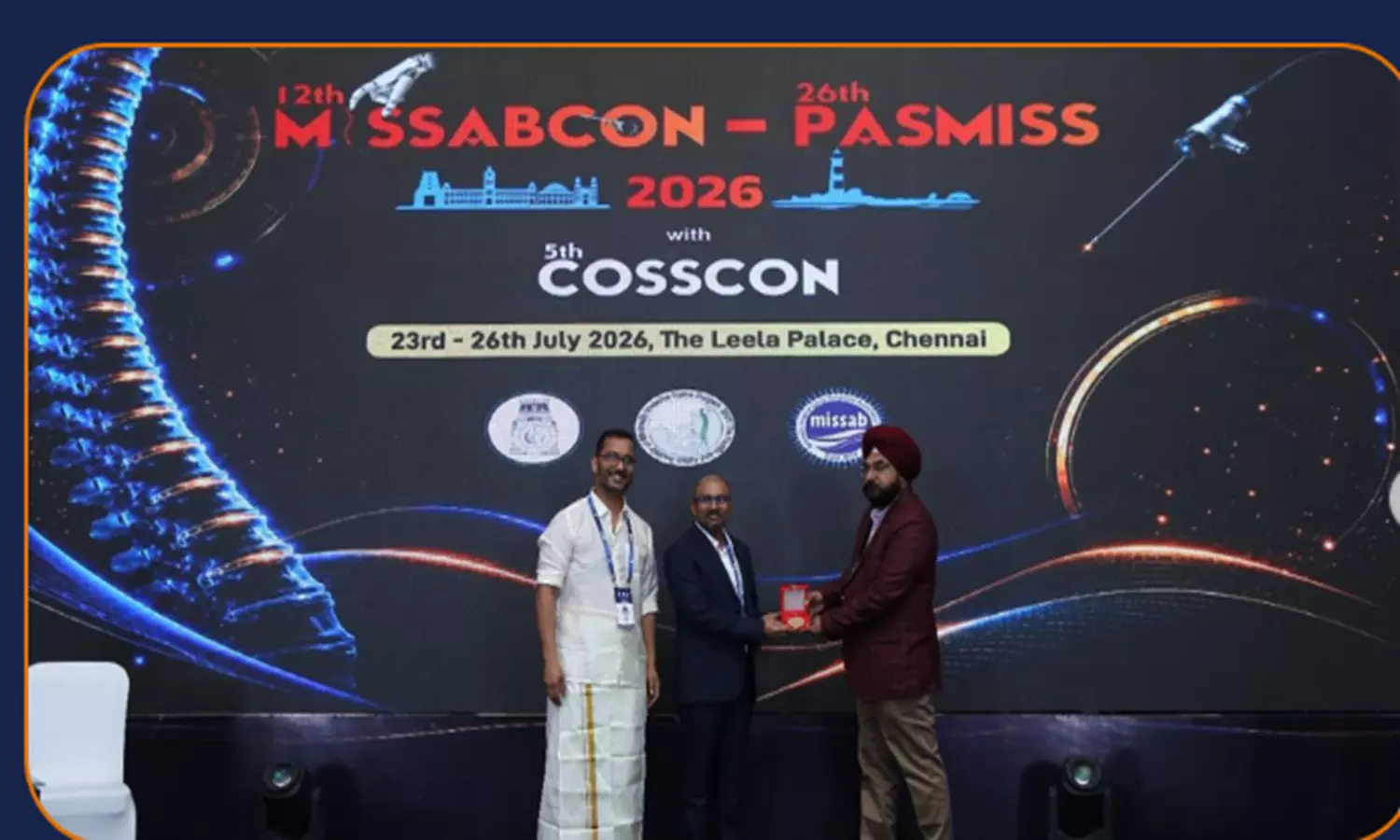
    Guntur-based neurosurgeon Dr Mohana Rao Patibandla has received three awards for his research in minimally invasive spine surgery at the 26th PASMISS–12th MISSABCON–5th COSSCON 2026 International Spine Surgery Conference held in Chennai.

    The conference brought together the Asian Society of Minimally Invasive Spine Surgery (PASMISS), the Minimally Invasive Spine Surgeons Association of Bharat Conference (MISSABCON) and the Chennai Ortho Spine Society Conference (COSSCON).

    Three Awards for Spine Surgery Research

    Dr Patibandla was recognised for his research on minimally invasive approaches in spine surgery. He received the PASMISS Best Free Paper Award, the MISSAB Best Free Paper Award and the COSSCON Best Paper Gold Medal.

    His research focused on advanced minimally invasive neurosurgical approaches for complex craniovertebral junction disorders. The recognition highlights his contribution to research and innovation in neurosurgical care.

    Medical Education and Neurosurgical Training

    Dr Mohana Rao Patibandla was born in a village in Andhra Pradesh and completed his MBBS from Andhra Medical College, Visakhapatnam, in 2002. He later specialised in neurosurgery and obtained his M.Ch from Nizam’s Institute of Medical Sciences (NIMS), Hyderabad, in 2013.

    He subsequently pursued advanced training in the United States, completing fellowships in areas including minimally invasive skull base surgery, paediatric neurosurgery, neuro-oncology and endovascular procedures.

    Advanced Neurosurgical Services in Guntur

    In 2020, Dr Patibandla established Dr Rao’s Hospital in Guntur. The facility provides neurosurgical services and uses technologies including neuronavigation and neuroendoscopy.

    The hospital offers treatments for complex brain and spine conditions, including minimally invasive keyhole procedures, radiosurgery and interventional neuroradiology.

    Recognition for Contribution to Neurosurgery

    Dr Patibandla has previously received several professional honours, including the Brain Lab Neurosurgery Award from the Congress of Neurological Surgeons in the United States and the Ed Innova Award of Distinction 2023 at the Atal Awards in New Delhi.

    He was also recognised as Eminent Doctor South 2024 by India Today magazine.

    The three awards at the 2026 international spine surgery conference add to his professional recognition for research and work in minimally invasive neurosurgery.

    Important Highlights

    • Dr Mohana Rao Patibandla received three awards at an international spine surgery conference in Chennai.
    • He won the PASMISS Best Free Paper Award, MISSAB Best Free Paper Award and COSSCON Best Paper Gold Medal.
    • His research focused on minimally invasive approaches for complex craniovertebral junction disorders.
    • Dr Patibandla completed his MBBS from Andhra Medical College and M.Ch in Neurosurgery from NIMS Hyderabad.
    • He has undertaken advanced fellowship training in the United States in multiple neurosurgical subspecialties.
    • He established Dr Rao’s Hospital in Guntur in 2020.

  • Fake Doctor Arrested in Gujarat’s Valsad for Practising Allopathy Without Medical Degree

    Fake Doctor Arrested in Gujarat’s Valsad for Practising Allopathy Without Medical Degree

    Man allegedly treated patients from a rented house; police seize 31 brands of medicines worth over Rs 53,000

    A man has been arrested in Gujarat’s Valsad district for allegedly practising allopathic medicine without possessing a recognised medical qualification or valid registration. The arrest was made in Kaprada taluka after police reportedly received information about unauthorised medical practice being carried out from a rented house near Valveri Phatak.

    Accused Allegedly Treated Patients Without Medical Qualification

    According to reports, the accused was residing near Valveri Phatak in Kaprada taluka and originally belonged to Bhatpurva Samuhi in Ghatampur taluka of Kanpur Nagar, Uttar Pradesh. He was allegedly treating patients from a rented premises despite not having a recognised medical degree or the registration required to practise medicine.

    The action was carried out following directions from Surat Division Inspector General of Police Prem Veer Singh, Valsad Superintendent of Police Dr Yuvrajsinh Jadeja and Assistant Superintendent of Police, Dharampur Division, Dr Sandeep T.

    Police Raid Rented House in Kaprada

    During a patrol operation, Assistant Head Constable Ashishbhai Arjunbhai reportedly received information about an unauthorised medical practice operating near Valveri Phatak. Acting on the information, a police team, accompanied by a medical officer from the Primary Health Centre at Rohiyal Jungle and a pharmacist, conducted a raid at a rented house belonging to Naranbhai Devrambhai.

    Police said the accused was found allegedly treating patients and administering allopathic and other medicines despite not possessing a recognised medical degree. Officials alleged that such unauthorised medical practice could pose serious risks to patients’ health and safety.

    31 Brands of Medicines Seized

    During the raid, authorities reportedly recovered 31 different brands of allopathic medicines valued at Rs 53,751.20. The seized medicines have been taken into custody as part of the investigation into the alleged illegal medical practice.

    The accused was subsequently taken to Kaprada Police Station, where police registered an FIR under Section 125 of the Bharatiya Nyaya Sanhita, 2023, and Section 30 of the Medical Practitioners Act.

    Investigation Underway

    Police are now investigating the extent of the alleged illegal medical practice and whether any other individuals were involved. Further action will depend on the findings of the investigation and the evidence collected during the raid.

    The Valsad case comes amid a wider crackdown on alleged bogus doctors across Gujarat. Police have reported several similar cases in recent months involving individuals accused of treating patients without recognised medical qualifications or valid registration.

    Gujarat Reports Multiple Bogus Doctor Cases

    Government data presented in the Gujarat Assembly in March highlighted the scale of the issue. Authorities said 2,724 complaints concerning alleged bogus doctors received between 2021 and 2023 had been investigated. Of these, 169 individuals were reportedly found to have fake degrees, while 154 FIRs were registered.

    The latest arrest in Valsad is part of the broader enforcement drive against unqualified individuals allegedly providing medical treatment without the necessary educational qualifications and statutory registration. Authorities have emphasised the importance of ensuring that patients seek treatment only from properly qualified and registered medical practitioners.

  • AIIMS Patna, Bihar SHS Sign MoU to Standardise Emergency Care Across State

    AIIMS Patna, Bihar SHS Sign MoU to Standardise Emergency Care Across State

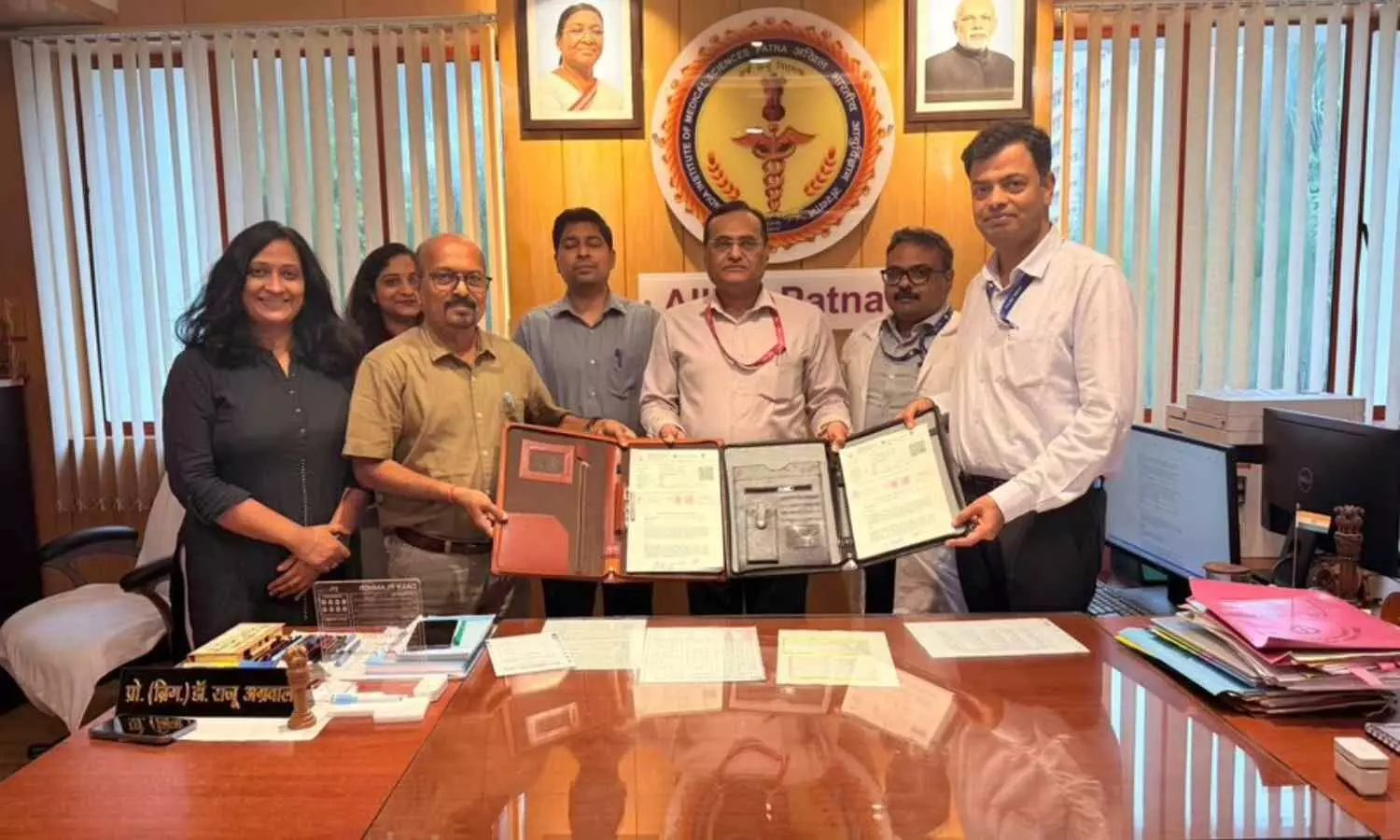
    The All India Institute of Medical Sciences (AIIMS), Patna, and the State Health Society (SHS), Bihar, have signed a Memorandum of Understanding (MoU) to establish a uniform emergency care system across the state. The initiative will standardise emergency treatment, strengthen referral systems and provide continuous technical support to government hospitals.

    Uniform Emergency Care System

    AIIMS Patna Executive Director and CEO Prof (Brig.) Dr Raju Agarwal said the partnership aims to ensure that patients receive the same standard of emergency treatment regardless of where they seek care.

    The collaboration seeks to address delays and variations in emergency treatment across Bihar’s healthcare system. Emergency services in government hospitals will be standardised through uniform clinical protocols, common triage systems and evidence-based treatment guidelines.

    The system will cover life-threatening conditions including trauma, heart attacks, strokes, poisoning, snakebites, burns and obstetric emergencies, with the objective of ensuring timely and standardised treatment.

    Strengthening Referral Networks

    A key component of the initiative will be the development of a coordinated referral system. Clearly defined referral pathways will enable patients requiring advanced medical care to be transferred more quickly from district hospitals to tertiary care centres.

    The initiative will also focus on stabilising critically ill patients before transfer and improving communication between hospitals. This is intended to help ensure that patients reach higher centres without losing crucial time during the Golden Hour.

    AIIMS Patna to Provide Technical Support

    Under the MoU, AIIMS Patna will serve as the Apex Technical Resource Centre for the initiative and provide continuous clinical mentoring and technical support to district hospitals and other government healthcare facilities.

    The support will extend beyond periodic training programmes. AIIMS Patna will work with healthcare teams through regular mentoring, tele-emergency consultations, virtual grand rounds, supportive supervision and quality audits.

    The institute will also assist hospitals in developing standardised emergency departments, strengthening triage systems, implementing clinical protocols and improving patient flow management.

    Digital Technologies and Emergency Care

    The collaboration will introduce several technology-based measures to strengthen emergency healthcare delivery. These will include tele-ICU support, digital learning platforms, emergency medicine registries and artificial intelligence-enabled decision-support systems.

    Continuous quality improvement programmes will also be implemented to help healthcare facilities assess and improve their emergency care capabilities.

    Dr Agarwal said the initiative would help create a robust emergency healthcare system in which patients receive timely, standardised and high-quality treatment while district hospitals receive continuous academic and technical support.

    State Health Society’s Role

    The MoU was signed on behalf of the State Health Society, Bihar, by Brinda Lal, Joint Secretary-cum-In-Charge (Training), and on behalf of AIIMS Patna by Prof. Dr Prashant Kumar Singh, Medical Superintendent.

    Brinda Lal said the collaboration with AIIMS Patna marks a significant step towards strengthening Bihar’s emergency healthcare system. She added that the State Health Society remains committed to supporting initiatives aimed at improving patient outcomes and building a resilient public health system across the state.

    Important Highlights

    • AIIMS Patna and the State Health Society, Bihar, have signed an MoU to standardise emergency care across the state.
    • Government hospitals will use uniform clinical protocols, common triage systems and evidence-based treatment guidelines.
    • A coordinated referral network will facilitate faster transfers from district hospitals to tertiary care centres.
    • AIIMS Patna will serve as the Apex Technical Resource Centre and provide continuous clinical mentoring.
    • The initiative includes tele-ICU support, digital learning platforms, emergency medicine registries and AI-enabled decision support systems.
    • The collaboration aims to improve emergency response, hospital coordination and patient outcomes across Bihar.
  • Over 2,300 Hospitals De-empanelled Under Ayushman Bharat for Violating Guidelines

    Over 2,300 Hospitals De-empanelled Under Ayushman Bharat for Violating Guidelines

    Centre tells Lok Sabha that 2,359 hospitals have been de-empanelled and more than 1,200 suspended under AB-PMJAY, with penalties of Rs 328.49 crore imposed for violations.

    2,359 Hospitals De-empanelled, Over 1,200 Suspended

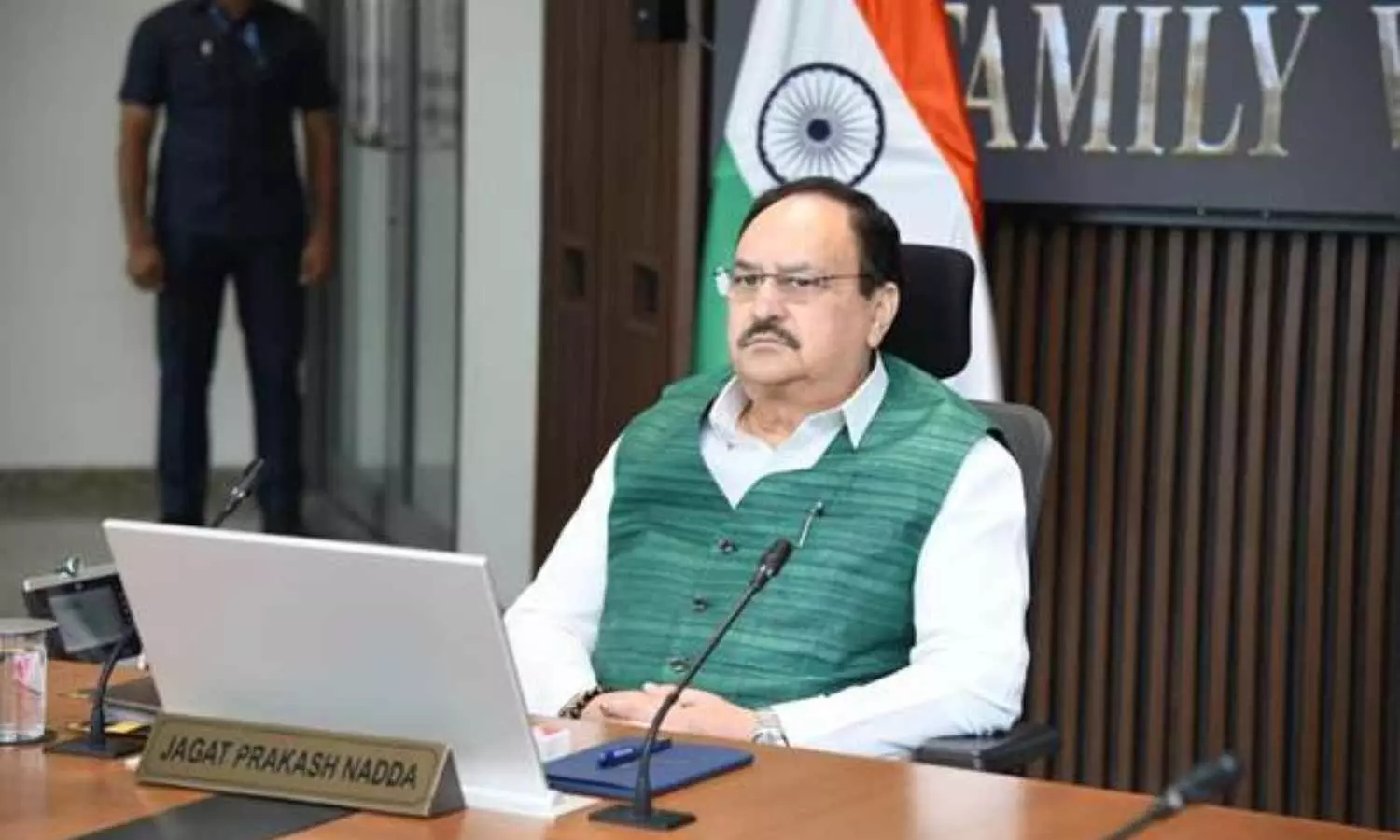
    As many as 2,359 hospitals have been de-empanelled and more than 1,200 suspended by states and Union Territories for violating guidelines under the Ayushman Bharat-Pradhan Mantri Jan Arogya Yojana (AB-PMJAY), Union Health Minister JP Nadda informed the Lok Sabha.

    The government has also registered 29 FIRs and imposed penalties amounting to Rs 328.49 crore against hospitals and institutions found violating the scheme’s guidelines.

    Zero-Tolerance Approach to Healthcare Fraud

    The Centre has adopted a zero-tolerance approach towards fraud under AB-PMJAY. The National Anti-Fraud Unit of the National Health Authority (NHA) uses Artificial Intelligence and Machine Learning-based automated systems to identify suspicious claims.

    According to Nadda, these automated mechanisms can flag unusual claim patterns, including unauthorised billing, duplicate entries, inflated procedures and misuse of patient identities, within 24 hours of a claim being submitted.

    Suspicious Claims Undergo Scrutiny

    Claims identified as suspicious are subjected to further scrutiny before payments are released. Those found to be fraudulent are rejected, resulting in savings of Rs 676.14 crore as of July 31, 2026, the minister said.

    Apart from suspension and de-empanelment, authorities can impose financial penalties and register FIRs against hospitals and institutions found violating AB-PMJAY guidelines.

    3.75 Crore Ayushman Cards Issued in 2025-26

    During the 2025-26 financial year, a total of 3.75 crore Ayushman cards were issued to eligible beneficiaries, while 2.74 crore hospital admissions were authorised under the scheme.

    During the same period, 5,074 hospitals were empanelled under AB-PMJAY. The Centre released Rs 8,438.27 crore to states and Union Territories for implementation of the scheme.

    Nadda said the release of funds is demand-driven and depends on utilisation certificates as well as the requirements projected by states and Union Territories.

    AB-PMJAY Provides Up to Rs 5 Lakh Health Cover

    AB-PMJAY is the Centre’s flagship health assurance programme and provides cashless health coverage of up to Rs 5 lakh per family per year for secondary and tertiary care hospitalisation to the bottom 40 per cent of India’s population.

    The scheme is being implemented across all states and Union Territories, with several states integrating it with their own health insurance programmes.

    Over 95 Crore ABHA Accounts Created

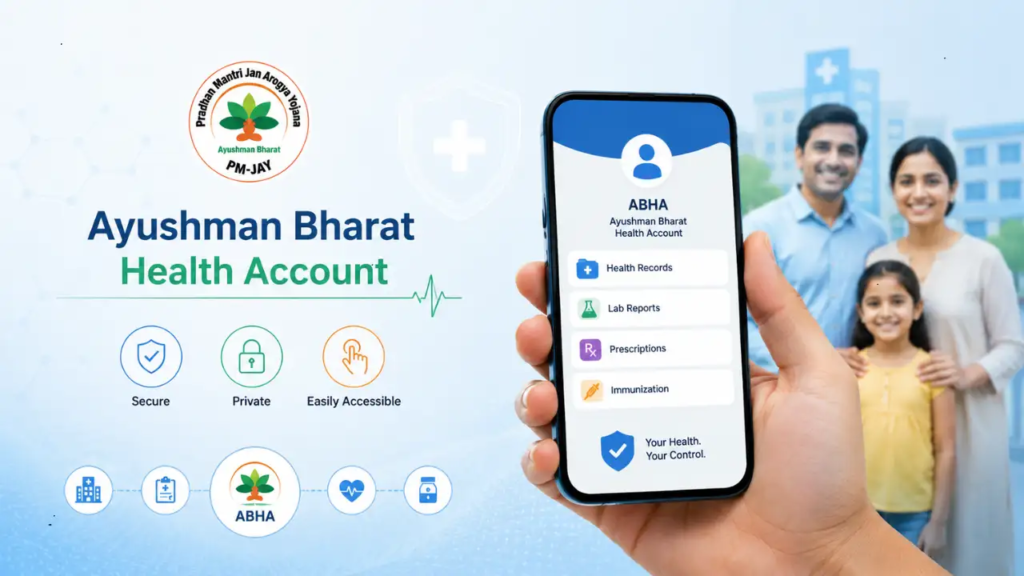
    Responding to another question, the Union Health Minister said that 95.99 crore Ayushman Bharat Health Accounts (ABHA) had been created across the country as of July 31, 2026, including 5.25 crore in Gujarat.

    ABHA, a key component of the Ayushman Bharat Digital Mission (ABDM), is a unique 14-digit health identifier that enables citizens to securely access and manage their digital health records across the healthcare ecosystem.

    The minister clarified that parliamentary constituency-wise data on ABHA account creation is not maintained.

  • Precision Dentistry: Educating Healthcare Professionals on Guided Implant Surgery

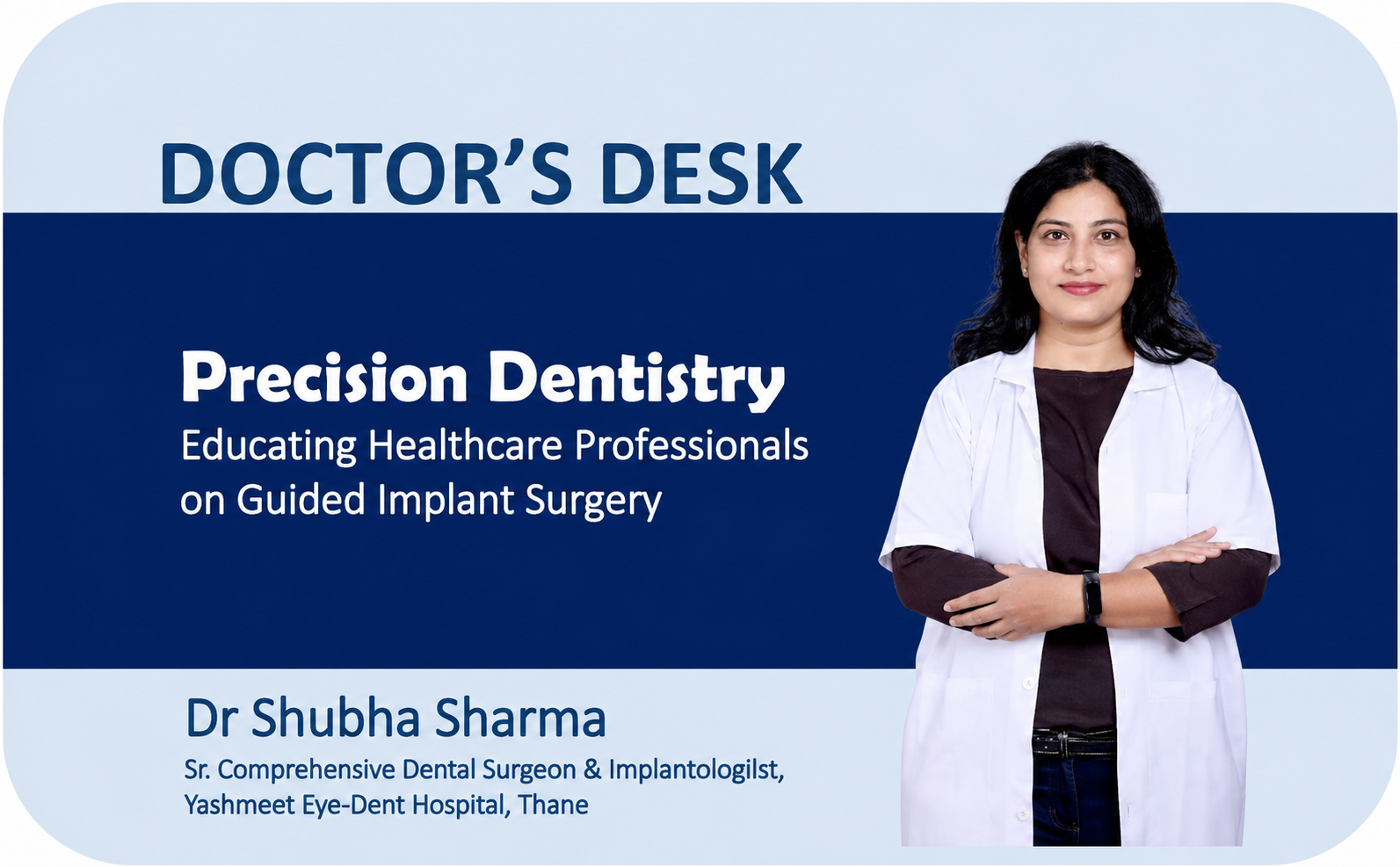
    Precision Dentistry: Educating Healthcare Professionals on Guided Implant Surgery

    As healthcare providers, our shared goal is optimizing patient outcomes through evidence-based interventions. While dental implants remain the gold standard for tooth replacement, the methodology behind their placement has undergone a digital revolution. For general practitioners (GPs) and broader healthcare professionals, understanding Guided Implant Surgery is a baseline requirement for comprehensive patient education and holistic treatment planning. This article provides an overview of guided implant technology, detailing clinical indications, advantages, and limitations.

    What is Guided Implant Surgery?

    Guided implant surgery is a digitally driven workflow that transitions implant dentistry from a reactive procedure to a proactive, restoratively driven science. The process fuses two distinct data sets:

    • Cone Beam Computed Tomography (CBCT): Provides a high-resolution, 3D radiographic view of hard tissue, bone density, and vital anatomical structures.
    • Intraoral Digital Scans: Captures precise surface topography of the dentition and surrounding soft tissues.

    Specialized software overlays these data sets, allowing clinicians to virtually plan the exact position, depth, angulation, and diameter of the implant before surgery. This virtual plan is translated into the physical operatory via a 3D-printed static surgical guide, which mechanically restricts surgical drills to the pre-planned pathways.

    Identifying the Clinical Need: When is Guided Surgery Essential?

    GPs and medical professionals are uniquely positioned to identify patients who require the safety margins of a guided approach. While freehand surgery remains viable in straightforward cases, guided surgery is the clinical standard in the following scenarios:

    • Proximity to Vital Anatomy: Cases bordering critical structures like the inferior alveolar nerve, mental foramen, or maxillary sinus floor.
    • Compromised Bone Volume: Patients with severe alveolar atrophy where the margin for error is minimal.
    • Full-Arch Rehabilitation: Multi-implant cases (e.g., All-on-X) requiring parallel placement to prevent catastrophic prosthetic failure.
    • High Aesthetic Vulnerability: Anterior single-tooth replacements where labial bone thickness dictates visual outcomes.
    • Medical Comorbidities: Patients with controlled conditions or anxiety who benefit from reduced surgical time and less invasive protocols.

    Clinical Advantages: The Triad of Predictability

    Embracing guided surgery offers measurable benefits that impact patient health and procedural longevity:

    1. Superior Anatomical Safety: Visualizing vital structures in three dimensions drastically reduces the risk of nerve paraesthesia, sinus perforation, or root damage.
    2. Restoratively Driven Positioning: The ideal final tooth position is designed digitally first, and the implant is planned to support that specific restoration, ensuring optimal biomechanical force distribution.
    3. Minimally Invasive Preservation: Precise guides often allow for flapless techniques, preserving peri-implant blood supply, reducing post-operative swelling, and accelerating healing.

    Drawbacks and Limitations: A Balanced Perspective

    To maintain objective clinical judgment, practitioners must understand the limitations of guided technology:

    • Increased Timelines and Costs: Shifting time to the pre-surgical planning phase requires lead time for guide fabrication and introduces higher upfront diagnostic costs.
    • Anatomical and Spatial Restrictions: Surgical guides and drill assemblies are bulky. Patients with limited mouth opening or severe trismus in posterior regions may lack sufficient inter-occlusal clearance.

    Conclusion

    Guided implant surgery represents a paradigm shift from traditional tactile feedback to data-driven precision. By understanding its mechanics, indications, and limitations, general practitioners can better educate patients, demystify advanced procedures, and elevate standards of interdisciplinary care.

    Dr Shubha Sharma

    Sr. Comprehensive Dental Surgeon & Implantologilst,

    Yashmeet Eye-Dent Hospital, Thane

  • Delhi Govt Directs Hospitals to Ensure Medicine Availability, Monsoon Preparedness and Uninterrupted OPD Services

    Delhi Govt Directs Hospitals to Ensure Medicine Availability, Monsoon Preparedness and Uninterrupted OPD Services

    Health Minister Pankaj Singh instructs government hospitals to maintain adequate medicine stocks, strengthen emergency preparedness and keep OPDs and medicine counters operational during notified hours.

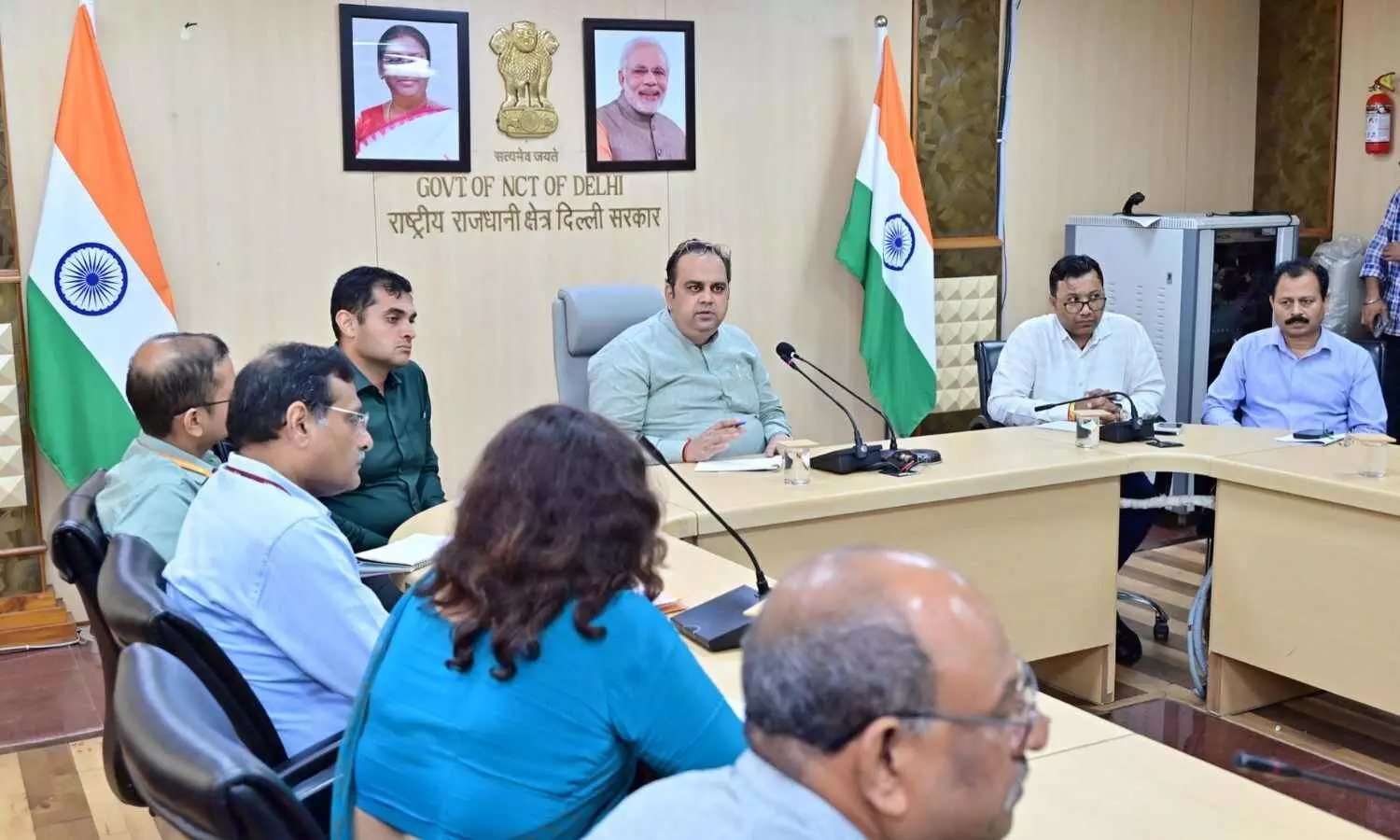
    The Delhi Government has directed all government hospitals in the national capital to ensure uninterrupted availability of essential medicines, strengthen preparedness for monsoon-related diseases and prevent the premature closure of OPDs and medicine dispensing counters.

    The directions were issued by Health Minister Pankaj Singh during a review meeting with medical superintendents and medical directors of all Delhi government hospitals. The meeting assessed medicine availability, hospital infrastructure, human resources, patient services and preparedness for the ongoing monsoon season.

    The minister said the Delhi Government is committed to ensuring that government hospitals remain fully equipped to meet healthcare needs, particularly during the monsoon, when the incidence of seasonal diseases is expected to rise.

    During the review, officials informed the minister that hospitals currently have more than 90 per cent availability of medicines, consumables and surgical items. While expressing satisfaction over the stock position, Singh directed hospital heads to immediately report any shortage of medicines so that timely intervention could be ensured.

    The minister also warned that OPDs and medicine dispensing counters must not be closed before their scheduled timings, stating that any disruption in patient services would not be tolerated.

    Keeping in view the monsoon season, hospitals have been instructed to procure medicines locally whenever necessary to avoid shortages and remain prepared for a possible increase in dengue, chikungunya, malaria and other water-borne diseases. Hospitals have also been asked to maintain adequate stocks of medicines and consumables, ensure sufficient ICU and operational bed capacity and strengthen emergency response systems.

    Singh reviewed the status of nearly 18,000 beds across Delhi government hospitals and directed hospital administrations to assess future requirements, particularly in maternity and emergency wards, and submit proposals for additional beds wherever required.

    The minister also reviewed the progress of new hospital blocks and instructed the Public Works Department (PWD) to expedite pending construction, repair and renovation works, especially in dilapidated hospital buildings.

    Emphasising quality healthcare, Singh directed hospitals to maintain proper sanitation and hygiene standards and report shortages of radiologists to strengthen diagnostic services. Medical superintendents have also been instructed to inspect hospital premises, identify infrastructure-related issues and coordinate with the PWD for their early resolution.

    The meeting further reviewed hospital infrastructure, information technology systems, inter-departmental coordination, emergency medical services and the progress of ABHA ID generation. The minister directed hospitals to submit reports every 15 days on ABHA ID registrations, pending PWD issues and other operational matters requiring government intervention.

  • Rajnath Singh Launches India’s First Department of Military Medicine in Lucknow

    Rajnath Singh Launches India’s First Department of Military Medicine in Lucknow

    New Centre to Advance Combat Medicine, Trauma Care, CBRNe Response and Military Medical Research

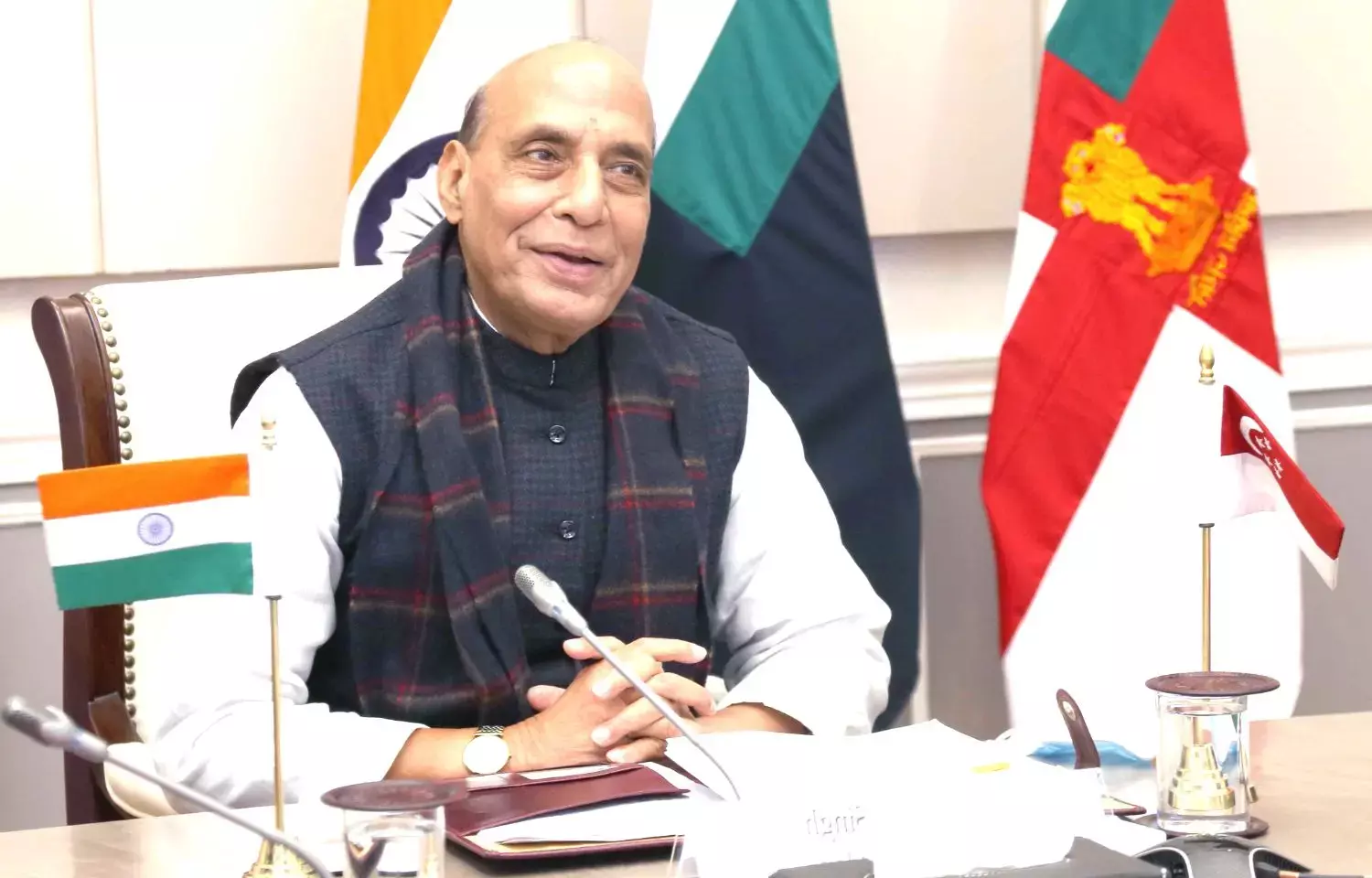
    Defence Minister Rajnath Singh on Wednesday inaugurated India’s first dedicated Department of Military Medicine at the Command Hospital (Central Command) in Lucknow, describing it as a major step towards strengthening the country’s defence medical capabilities and preparing the Armed Forces to tackle emerging security and healthcare challenges.

    The department, inaugurated virtually, is the country’s first academic and operational facility exclusively focused on military medicine. It has been established under the Directorate General of Medical Services (Army) and will function as the principal academic, research and doctrinal hub for the Armed Forces Medical Services (AFMS).

    Speaking at the inauguration, Rajnath Singh highlighted the increasing importance of military medicine, stating that the discipline addresses the physical and psychological challenges faced by soldiers during combat and deployment in extreme operational environments.

    “Our soldiers are deployed in some of the world’s most challenging terrains and climates. This department will develop specialised medical protocols suited to these operational conditions,” the Defence Minister said.

    Emphasising evolving security threats, Singh noted that the risk posed by weapons of mass destruction continues to exist. He said the new department would serve as a centre for research and innovation, helping India prepare for emerging threats driven by rapid technological advancements.

    According to the Defence Ministry, the department will strengthen expertise in disaster response, field hospital deployment, mass casualty management and epidemic control. It will also support India’s humanitarian assistance and disaster relief (HADR) missions and its contributions to United Nations peacekeeping operations.

    The Department of Military Medicine will offer structured education and specialised training in military and operational medicine. It will facilitate postgraduate programmes in combat medicine, combat surgery, trauma care and other specialised fields while promoting indigenous research aligned with India’s defence requirements.

    Rajnath Singh expressed confidence that the department would become a premier training centre for young doctors of the Army Medical Corps, equipping them with advanced battlefield healthcare skills and life-support techniques.

    He also said the initiative would create new career opportunities for medical professionals by introducing super-specialisation in military medicine, strengthening India’s medical research ecosystem and enhancing its global standing in defence healthcare.

    Highlighting the importance of preventive healthcare, Singh described it as the first line of defence for national security. He called for greater use of disease surveillance, vaccination, sanitation, nutrition, occupational health, physical fitness and routine health screenings to maintain troop readiness.

    The Defence Minister further stressed the role of emerging technologies such as artificial intelligence (AI), wearable devices, predictive analytics and advanced diagnostics in enabling real-time health monitoring and early detection of health risks among soldiers.

    The department will focus on specialised areas including military trauma and damage control, combat psychiatry, environmental and operational medicine, military medical logistics, Chemical, Biological, Radiological, Nuclear and Explosive (CBRNe) medical response, emergency medicine, critical care, disaster medicine, humanitarian assistance and disaster relief (HADR), research, audit and data analytics.

    The Defence Ministry said the institution will also promote technology-driven battlefield medicine, simulation-based training, telemedicine, prolonged field care and medical decision-support systems.

    The department will be developed in phases. The initial phase will focus on establishing academic programmes, while subsequent phases will create Centres of Excellence in Humanitarian Assistance and Disaster Relief (HADR) and CBRNe medicine.

  • Father Arrested for Allegedly Killing Newborn Daughter Inside Jaipur Hospital NICU

    Father Arrested for Allegedly Killing Newborn Daughter Inside Jaipur Hospital NICU

    Baby Taken Out of NICU on Feeding Pretext, Police Probe Possible Female Child Bias

    A shocking incident at a private hospital in Jaipur has triggered a police investigation after a 28-year-old man allegedly strangled his newborn daughter inside the Neonatal Intensive Care Unit (NICU). The accused has been arrested, and police are investigating the circumstances surrounding the infant’s death.

    The incident occurred on Tuesday at a private hospital under the Chandwaji police station limits. According to Station House Officer (SHO) Rajveer Singh, the accused, a resident of Neemrana in Kotputli-Behror district, was taken into custody immediately after the incident.

    According to the police investigation, the newborn had been admitted to the NICU shortly after birth. Investigators said the father allegedly took the baby out of the NICU on the pretext of feeding her. Police suspect that he strangled the infant before bringing her back to the ward and sitting beside her without arousing suspicion.

    The incident came to light when attendants of another patient noticed that the baby had not cried for a prolonged period and alerted hospital staff. Doctors examined the infant and found injury marks on her neck along with bloodstains around her throat. The hospital immediately informed the police.

    A police team reached the hospital, detained the father for questioning, and later arrested him. The infant’s body has been sent for post-mortem examination to ascertain the exact cause of death.

    During the preliminary investigation, police found that the accused was allegedly distressed over the birth of his third daughter. Investigators are examining whether the crime was premeditated and are reconstructing the sequence of events.

    Police have registered a criminal case and are recording statements of hospital staff and family members. CCTV footage from the hospital is also being analysed as part of the ongoing investigation.

  • Pune Eye Doctor Loses Rs 95 Lakh in Fake Share Trading Scam, Cyber Crime Alert Prevents Bigger Fraud

    Pune Eye Doctor Loses Rs 95 Lakh in Fake Share Trading Scam, Cyber Crime Alert Prevents Bigger Fraud

    A Pune-based ophthalmologist allegedly lost nearly Rs 95 lakh after being duped by cyber fraudsters operating a fake online share trading platform. A timely alert from the Delhi Cyber Crime Cell prevented him from transferring an additional Rs 1.59 crore, while Pune Cyber Police have registered an FIR and launched an investigation into the investment scam.

    A Pune-based ophthalmologist has allegedly lost around Rs 95 lakh in an online share trading scam after being lured into investing through a fake investment platform promising unusually high returns.

    Pune Cyber Police have registered an FIR and launched an investigation to trace the money trail and identify those behind the cyber fraud.

    According to the police complaint, the 50-year-old doctor came across a Facebook advertisement claiming to offer free stock market analysis and high investment returns. After expressing interest, he was contacted via WhatsApp and added to an investment group where members regularly shared screenshots of substantial profits, creating the impression that the platform was genuine.

    The fraudsters allegedly introduced themselves as representatives of a reputed investment research and brokerage firm. They persuaded the doctor to download a fake trading application, complete KYC formalities and begin investing.

    To gain his confidence, the fraudsters initially asked him to invest a small amount. The application quickly displayed profits, and the doctor was able to withdraw three small payments totalling Rs 11,000 into his bank account. Convinced that the platform was legitimate, he continued investing larger amounts.

    Between June 24 and July 16, the doctor transferred money in multiple instalments ranging from Rs 1,000 to Rs 55 lakh into different bank accounts. In total, he invested nearly Rs 95 lakh while the application reflected significant profits.

    The fake trading platform later showed that his investment had grown to more than Rs 2.03 crore. However, when he attempted to withdraw the amount, his request was rejected. The fraudsters then allegedly claimed that a larger IPO allocation had been made in his name and demanded an additional Rs 1.59 crore before releasing the funds.

    Before making the payment, the doctor received a call from the Delhi Cyber Crime Cell. Officials informed him that several bank accounts to which he had transferred money had already been flagged in cyber fraud complaints and were suspected mule accounts.

    Realising he had been cheated, the doctor immediately cancelled the planned transfer of Rs 1.59 crore and reported the incident through the National Cyber Crime Helpline (1930), the cybercrime portal and later to Pune Cyber Police.

    Investigators believe the fraud follows a common cybercrime pattern in which scammers use social media advertisements and WhatsApp groups to lure investors, display fake profits on fraudulent trading applications, allow small withdrawals to gain victims’ trust and later pressure them into investing significantly larger amounts before blocking withdrawals.

    Police are currently tracing the beneficiary bank accounts and investigating the network involved in the fraud.

  • India Shatters Digital Records by Consolidating One Billion Health Portfolios on ABHA System

    NEW DELHI — In a monumental stride toward universal healthcare digitalization, the National Health Authority announced that the Ayushman Bharat Health Account platform has successfully cross-referenced and secured over 100 crore digital health records nationwide. This milestone creates a singular, massive digital repository that allows citizens to securely view, download, and share their verified clinical data from anywhere in the country with explicit user consent.

    The flagship health technology initiative, launched under the Ayushman Bharat Digital Mission, has effectively created a centralized backbone for the Indian healthcare ecosystem. By linking more than one billion diagnostic reports, vaccination files, prescriptions, and discharge summaries to individual user profiles, the platform eliminates the decades-old logistical headache of maintaining physical medical folders.

    Transforming Patient Mobility and Treatment Efficiency

    The core breakthrough of the platform lies in its seamless interoperability. Prior to this massive digital consolidation, patients moving between public and private hospitals or traveling across state borders faced severe diagnostic delays, forcing doctors to re-order expensive lab tests due to missing medical histories.

    With the integration of 100 crore files, any empanelled hospital, clinic, or diagnostic lab can access an incoming patient’s lifetime medical timeline instantly, provided the patient shares a secure one-time password or scans a personal quick-response code. This immediate availability of historical data drastically reduces diagnostic errors, prevents duplicative medical testing, and streamlines emergency room operations when dealing with critical or unconscious patients.

    Accelerating Government Integration and Corporate Onboarding

    The staggering volume of records was achieved through a multi-pronged integration strategy connecting both public welfare frameworks and private corporate hospital networks. Major central schemes, including the Central Government Health Scheme, the Employees’ State Insurance Corporation, and various state-level health insurance portfolios, have completely migrated their patient interactions to the digital ecosystem.

    Simultaneously, the country’s premier private hospital chains, corporate diagnostic labs, and localized health tech applications have built dedicated digital bridges into the platform’s secure data exchange architecture. This unified highway ensures that whether a citizen receives treatment at a premier metro hospital or a remote rural clinic, the medical footprint is recorded securely in the exact same format.

    Data Security Standards and the Road Ahead

    Addressing persistent concerns regarding data privacy and surveillance, the National Health Authority emphasized that the system utilizes a highly secure, federated architecture. The platform does not permanently store patient health records in a central government database; instead, it acts as a secure transit route that fetches the encrypted files directly from the original generating hospital only when authorized by the user.

    Moving forward, the government aims to leverage this digital framework to introduce automated insurance claim settlements, paperless hospital check-ins, and secure digital signature features for medical specialists. Public health authorities are now shifting focus toward bringing peripheral diagnostic labs and independent family physicians onto the system to ensure that 100 percent of outpatient interactions are digitally recorded over the coming years.