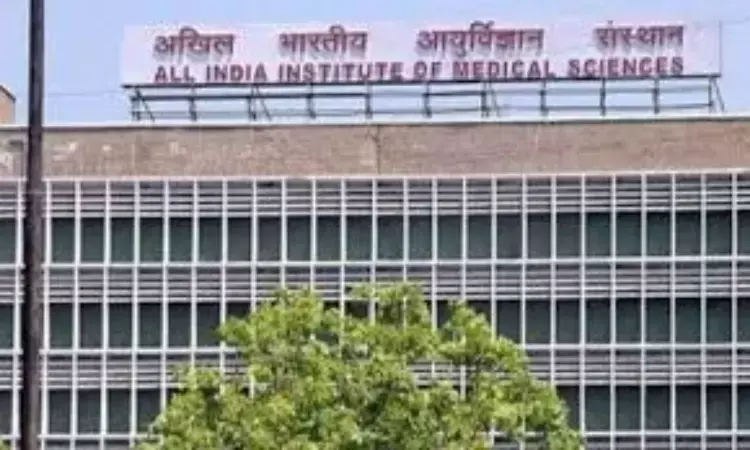
New Delhi: In a historic development, All India Institute of Medical Sciences has initiated medical protocols to implement the Supreme Court of India verdict permitting passive euthanasia for Harish Rana. The process, which is expected to take two to three weeks, marks the first-ever implementation of passive euthanasia in India.
Supreme Court Verdict Paves Way for Landmark Medical Decision
The apex court, in its March 11 judgment, allowed withdrawal of life-sustaining treatment for Harish Rana, a former BTech student of Panjab University who has been in a coma since 2013 following a fall from a fourth-floor balcony.
The court clarified that the decision pertains strictly to passive euthanasia—allowing the natural process of death by withdrawing medical support—while ensuring dignity and comfort for the patient.
Specialised AIIMS Team to Oversee Procedure
AIIMS Delhi has constituted a specialised team led by Dr Seema Mishra, Professor and Head of Anaesthesia and Palliative Medicine.
The multidisciplinary team includes experts from neurosurgery, onco-anaesthesia, palliative medicine, and psychiatry to ensure the process is carried out ethically and medically.
How Passive Euthanasia Will Be Implemented
According to Dr Sushma Bhatnagar, the procedure involves a gradual withdrawal of life support systems:
- Reduction and eventual withdrawal of artificial nutrition
- Controlled withdrawal of oxygen support
- Administration of palliative sedation to prevent distress
- Continuous pain management to ensure comfort
The aim is neither to hasten nor prolong death, but to allow a natural and dignified end-of-life process.
Family’s Emotional and Spiritual Journey
A deeply emotional video from the Rana family’s residence in Ghaziabad shows relatives offering prayers as a member of the Brahma Kumaris performs a ritual, encouraging forgiveness and peace.
The ritual was conducted by Sister Lovely from the Mohan Nagar Seva Kendra, reflecting the family’s spiritual approach during this difficult phase. The family has reportedly relied on spiritual guidance alongside medical consultations over the past 13 years.
A Painful Yet Necessary Decision
Harish’s father, Ashok Rana, who approached the court, described the decision as “extremely painful but necessary,” emphasizing that it was taken in his son’s best interest.
He also expressed hope that the ruling would help other families facing similar situations make informed and compassionate decisions.
Medical Boards Confirm Irreversible Condition
The Supreme Court’s decision came after multiple medical boards concluded that Harish’s condition was irreversible, with no possibility of recovery of neurological function.
The court directed AIIMS Delhi to ensure that the withdrawal of life support is conducted with a tailored plan that prioritises dignity and compassionate care.
A Landmark Moment in India’s Medical and Legal History
This case sets a significant precedent in India, operationalising the legal framework around passive euthanasia and end-of-life care. It highlights the importance of balancing medical ethics, legal clarity, and human compassion in complex healthcare decisions.