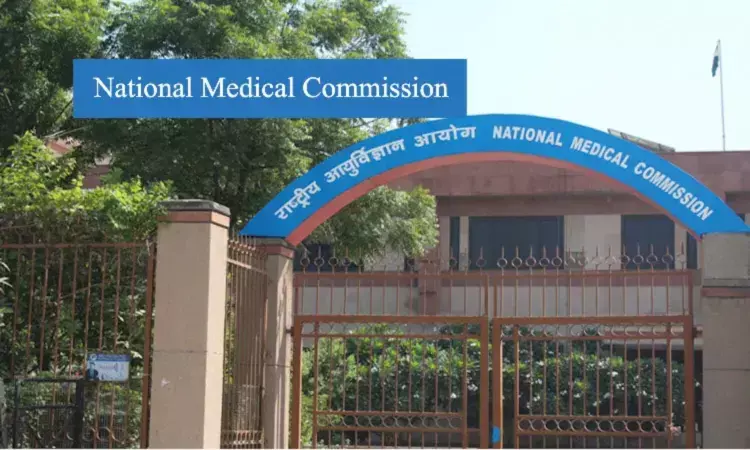
The National Medical Commission (NMC) has introduced a major reform in medical education by permanently removing the 150 MBBS seat cap and the population-based seat ratio rule. This move is expected to significantly expand medical education capacity across India and help address the shortage of doctors.
Key Regulatory Changes Announced
In an amended notification published in the official Gazette on April 23, 2026, the Undergraduate Medical Education Board (UGMEB) of the NMC revised provisions under the UG-MSR 2023 regulations.
The changes impact guidelines related to:
- Establishment of new medical institutions
- Starting new medical courses
- Increasing seats in existing MBBS programs
No More 150 MBBS Seat Limit
Earlier, medical colleges were restricted from increasing MBBS seats beyond 150. This cap had already been temporarily relaxed for one academic year, but has now been permanently removed.
With the latest amendment:
- Medical colleges can now increase MBBS seats beyond 150
- Expansion is allowed subject to infrastructure and faculty norms
This decision is likely to encourage both government and private institutions to scale up their intake capacity.
Population-Based Seat Ratio Rule Scrapped
The NMC has also removed the earlier requirement that mandated:
- 100 MBBS seats per 10 lakh population in a state or Union Territory
By eliminating this rule, the Commission has given states and institutions greater flexibility in planning medical education capacity based on demand and resources rather than population limits.
Revised Distance Norms Between College and Hospital
Another significant change relates to the distance between medical colleges and their attached teaching hospitals.
Earlier Rule:
- Maximum travel time of 30 minutes between college and hospital
New Rule:
- Maximum distance capped at 10 km
- For North Eastern and Himalayan states: up to 15 km
This amendment aims to bring more clarity and standardization in infrastructure requirements.
What This Means for Medical Aspirants
The removal of seat caps and population restrictions is expected to:
- Increase the number of MBBS seats across India
- Improve access to medical education
- Help bridge the doctor-patient ratio gap
- Create more opportunities for aspiring medical students
Conclusion
The NMC’s latest reform marks a significant shift in India’s medical education policy. By removing rigid seat limits and population-based restrictions, the Commission has opened the door for expansion and modernization of medical colleges, potentially transforming the future of healthcare education in the country.