Medical colleges allowed limited annual intake of post-doctoral students under updated PGMSR 2023 regulations
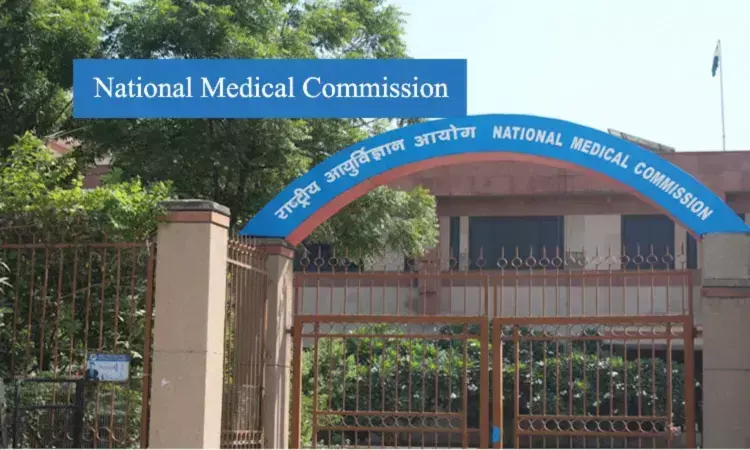
New Delhi: The National Medical Commission (NMC) has introduced revised rules for the admission of post-doctoral students in medical colleges across India, bringing clarity to the intake of Post-Doctoral Certificate Course (PDCC) and Post-Doctoral Fellowship (PDF) candidates.
The updated norms, issued by the Postgraduate Medical Education Board (PGMEB), are part of the amended Post Graduate Medical Education Regulations (PGMSR) 2023 and came into effect from February 20, 2026. All medical institutions have been directed to comply immediately.
One PDCC or PDF Seat Per Unit Annually
As per the revised guidelines, medical colleges can now admit either one PDCC student or one PDF student per year in each unit, and this will be over and above the already sanctioned or eligible seats.
This move aims to streamline post-doctoral admissions while maintaining academic and clinical training standards.
Rule for Departments Without Unit Structure
In departments where a unit system does not exist, the Commission has specified that colleges can admit either one PDCC or one PDF student annually for every five sanctioned or eligible seats.
This ensures uniformity in admission practices across institutions with varying departmental structures.
Key Changes from Previous Norms
Earlier provisions under PGMSR 2023 allowed flexibility in filling vacant seats, enabling institutions to admit additional PDCC or PDF candidates if vacancies remained.
However, the amended rules clearly restrict admissions to only one candidate (either PDCC or PDF) per unit or per five seats annually, removing ambiguity and tightening regulations.
Comprehensive Guidelines for PG Medical Courses
The revised regulations also outline detailed standards required for running postgraduate medical programmes in India. These include:
- Minimum infrastructure and institutional requirements
- Clinical material and investigation workload for PG training
- Faculty-to-student ratio norms
- Bed strength requirements for each unit
- Faculty and senior resident eligibility criteria
- Mandatory functional departments in medical colleges
Aim: Standardisation and Quality Improvement
According to the NMC, the updated norms are designed to ensure uniform standards, improved training quality, and better resource management in postgraduate medical education across the country.
Medical colleges and institutions have been asked to strictly adhere to the revised guidelines to maintain consistency and uphold the quality of advanced medical training in India.