GENEVA — The World Health Organisation (WHO) has officially declared a fast-spreading Ebola outbreak in the Democratic Republic of the Congo (DRC) and Uganda a Public Health Emergency of International Concern (PHEIC). The emergency declaration follows a spike in cases caused by the rare Bundibugyo virus strain, for which there are no approved commercial vaccines or specific therapeutic treatments. International health authorities issued the warning after the deadly disease breached regional borders, logging multiple laboratory-confirmed cases in the heavily populated Ugandan capital of Kampala.
According to detailed epidemiological data released by global tracking agencies, the current wave marks the 17th official Ebola outbreak documented within the DRC. As of mid-May, the crisis has centered heavily on the eastern Ituri Province of the DRC, spanning at least three prominent health zones: Bunia, Rwampara, and the gold-mining hub of Mongbwalu. Health officials have logged eight laboratory-confirmed cases, 246 suspected infections, and at least 80 suspected fatalities within these specific zones alone.
The international community rapidly elevated the threat level following cross-border transmission into neighbouring Uganda. Within a 24-hour window, two separate, laboratory-confirmed cases were registered in Kampala. The individuals had recently travelled directly from the infected zones in the DRC. One of these patients, a 59-year-old man, succumbed to the hemorrhagic fever in a local intensive care facility. International medical monitors expressed deep concern regarding the virality of the situation, noting that the two urban cases lacked any visible epidemiological links to one another, pointing toward a much larger pool of undetected, silent transmissions.
The global health body clarified that while the current crisis warrants an exceptional international response to coordinate cross-border security, it does not meet the strict administrative criteria for a global pandemic emergency. However, the absence of defensive medical countermeasures—such as the highly effective vaccines utilized against the more common Zaire Ebola strain—makes the situation highly volatile. The Bundibugyo strain historically presents an average mortality rate hovering between 25% and 90%, spreading quickly via direct physical contact with the bodily fluids of symptomatic or deceased individuals.
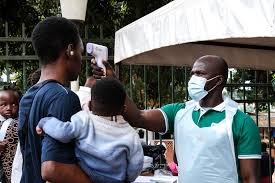
The Africa Centres for Disease Control and Prevention (Africa CDC) flagged the localized mining activities in Mongbwalu and urban densities in Bunia as high-amplification risks due to massive population mobility. In response to the declaration, neighboring nations like Rwanda have swiftly tightened clinical screening and border health controls. Meanwhile, global advisory committees have strongly urged national administrations not to implement complete border closures or rigid trade bans. Past outbreaks demonstrate that strict closures incentivize undocumented migrants to use unmonitored backroutes, entirely blinding health teams from conducting essential contact tracing and temperature checks.
Moving forward, international agencies are calling for immediate financial, diagnostic, and logistics deployments to set up specialized isolation wards. Health bodies emphasize that rapid isolation and mandatory 21-day monitoring for exposed individuals remain the absolute gold standard for halting transmission. Field operators are coordinating with local community leaders to mandate strict infection prevention and control (IPC) measures to ensure safe, dignified burials and protect the lives of frontline healthcare professionals.