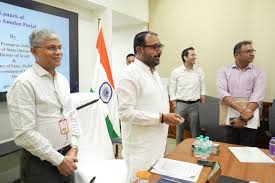
NEW DELHI — In a landmark shift toward preventive healthcare, the Union Ministry of Ayush has launched a comprehensive series of “Yoga Protocols for Non-Communicable Diseases (NCDs) and Target Groups.” Unveiled by Union Ayush Minister Prataprao Jadhav during Yoga Mahotsav 2026, the initiative marks 100 days until the International Day of Yoga 2026 and aims to institutionalize yoga as a clinical tool against India’s rising burden of lifestyle ailments.
A Scientific Response to a National Crisis
Non-communicable diseases—including diabetes, hypertension, and cardiovascular conditions—now account for nearly two-thirds of all deaths in India. The new protocols, developed by the Morarji Desai National Institute of Yoga (MDNIY) in collaboration with the World Health Organization (WHO), offer structured, evidence-based modules designed to move yoga from a “weekend activity” to a daily medical intervention.
The initiative introduces 10 specific modules tailored for different health conditions and life stages:
- Diabetes: Focuses on postures and breathing to improve metabolic balance and glycaemic control.
- Hypertension: Emphasizes calming the nervous system to regulate blood pressure.
- Respiratory Health: Special protocols for bronchial asthma aimed at strengthening lung capacity.
- Target Groups: Dedicated routines for children, adolescents (mental health), the elderly (mobility), and pregnant women.
Scalability and Digital Integration
The government is positioning these protocols as a cost-effective, low-infrastructure solution. Through the “Yoga 365” campaign, the Ministry is promoting daily practice in schools, workplaces, and community centres. This is supported by the WHO mYoga app, which provides video training in multiple languages, and the Y-Break protocol, which has already reached over 33 lakh government officials for short, workplace-friendly sessions.
The Road to Evidence-Based Wellness
While experts acknowledge yoga addresses key drivers of NCDs—such as stress, inactivity, and poor sleep—they emphasize that it remains a preventive and adjunctive therapy. Recent clinical reviews from 2025 indicate strong effects on blood pressure and glucose control, though researchers warn it is not a total replacement for traditional medicine.
“These protocols are rooted in evidence and align traditional knowledge with modern clinical understanding,” stated Vaidya Rajesh Kotecha, Secretary, Ministry of Ayush. By standardizing these practices, the government hopes to reduce long-term healthcare costs and ease the systemic pressure on India’s medical infrastructure.