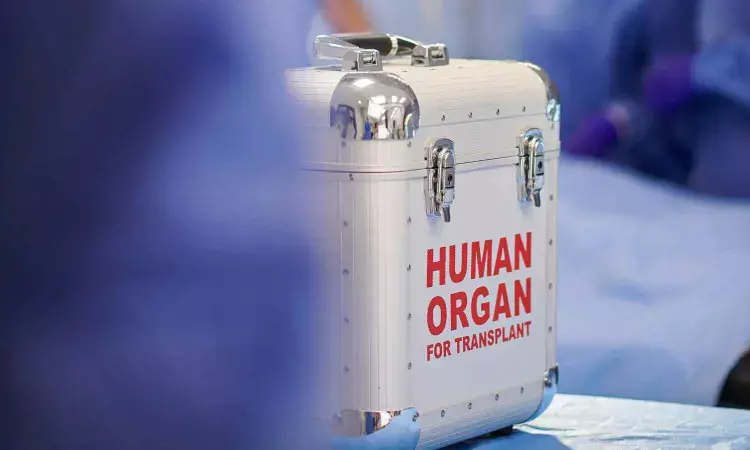
India’s organ transplantation monitoring system has revealed a significant reporting gap, with 217 hospitals failing to submit transplant data in 2025 despite being registered to perform organ transplants. The information was shared in Parliament by Union Minister of State for Health and Family Welfare Prataprao Jadhav in a written reply in the Rajya Sabha.
According to the government, 804 hospitals are currently registered to perform organ transplantation in the country, but a substantial number did not report their data to the national registry during the year.
Hospitals Responsible for Data Reporting
The registration of hospitals for organ transplantation is granted by the appropriate authority of the concerned State or Union Territory where the hospital is located.
As per the provisions of the Transplantation of Human Organs and Tissues Act, 1994 (THOTA) and the rules framed under it, regulatory action against hospitals that fail to report data must be taken by the respective State Governments.
Officials said the reporting requirement is crucial for maintaining transparency and monitoring organ transplant activities across the country.
National Registry Portal Monitoring Transplant Data
The National Organ and Tissue Transplant Organization (NOTTO) operates the National Organ and Tissue Transplant Registry Portal, which has been functional since 2015.
The portal allows authorized users, hospitals, and transplant organisations to upload and track transplant-related data. It serves as a central platform to monitor organ donation, waiting lists, and transplant procedures nationwide.
Nearly 90,000 Patients Waiting for Organs
According to data reported on the NOTTO registry portal as of March 3, 2026, the national waiting list for major organ transplants stands at 89,839 patients.
During 2025, a total of 20,019 organ transplants were performed across India, reflecting continued demand for organ donation and transplantation services.
Health experts say the gap between demand and available organs highlights the need for stronger awareness campaigns and improved organ donation infrastructure.
Government Expanding Organ Transplant Infrastructure
To strengthen the country’s organ transplant ecosystem, the Government of India is implementing the National Organ Transplant Programme (NOTP), a Central Sector Scheme designed to improve infrastructure and services related to organ transplantation.
The programme also focuses on increasing public awareness about organ donation and improving coordination between transplant centres.
Under the initiative, Regional Organ and Tissue Transplant Organizations (ROTTOs) and State Organ and Tissue Transplant Organizations (SOTTOs) have been established across several states and union territories, including:
- Northern Region (except the UT of Ladakh)
- Eastern Region
- North-Eastern Region (except Manipur and Nagaland)
These organisations coordinate organ donation, maintain waiting lists, and facilitate equitable organ allocation.
Focus on Transparency and Organ Donation Awareness
The government emphasized that improving data reporting by hospitals and expanding the organ transplant network remain key priorities.
Officials noted that accurate reporting on the national registry portal helps authorities track transplant trends, monitor waiting lists, and ensure better allocation of organs, ultimately strengthening the country’s organ donation and transplant system.