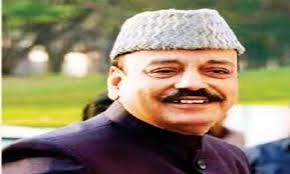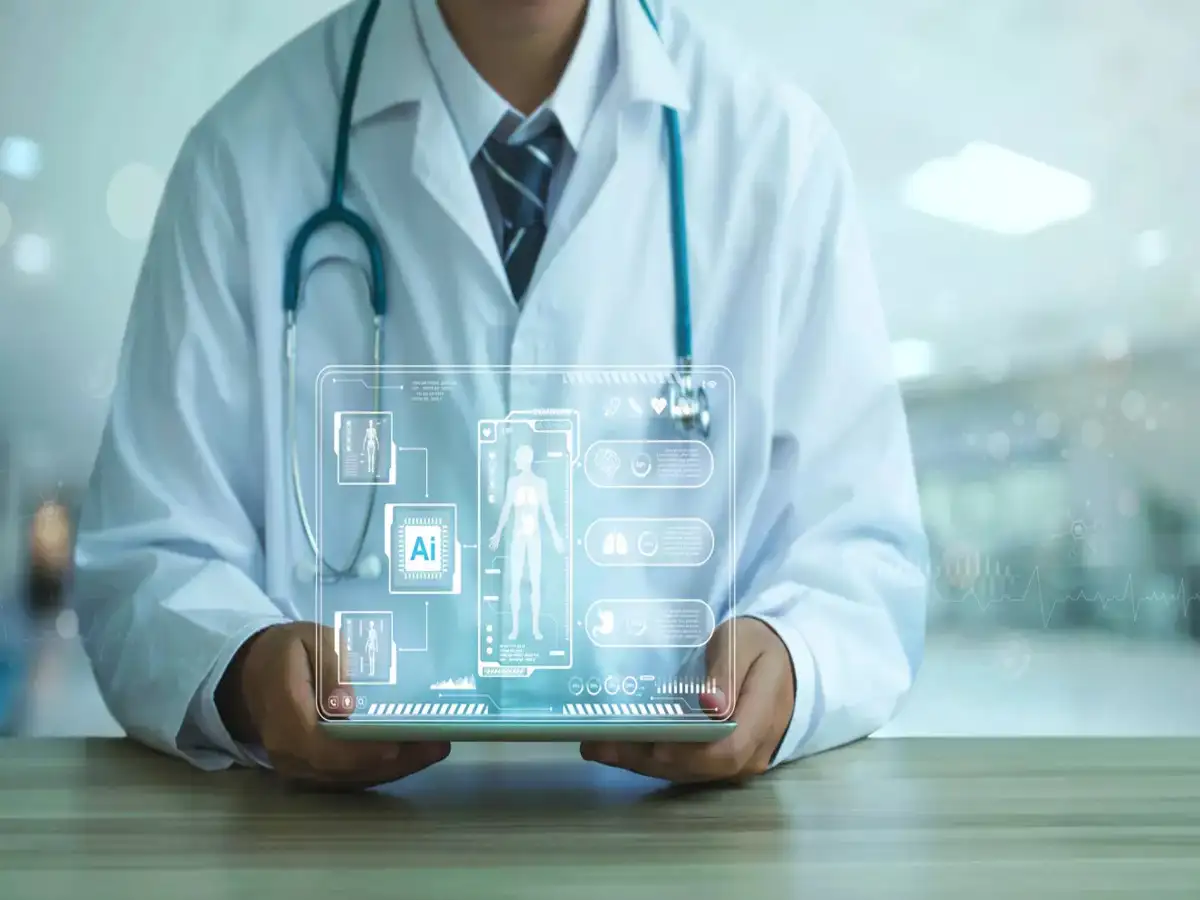
NEW DELHI — In a landmark directive aimed at modernising medical training while safeguarding patient care, the National Medical Commission (NMC) chairperson, Dr Abhijat Sheth, stressed that India’s healthcare education system must rapidly evolve to integrate artificial intelligence (AI) into regular clinical practice. Addressing the national conference HealthAIcon 2026, the regulatory chief stated that artificial intelligence has transitioned from a future possibility to an active, vital element of the modern clinical environment. However, he cautioned that the true challenge for the country’s medical establishment lies in preparing doctors, researchers, and healthcare systems to use these advanced tools responsibly, ethically, and safely.
Bridging the Gap Between Classroom and Clinic
The regulatory body highlighted a growing risk of an academic disconnect if traditional teaching models remain completely rigid. If young medical graduates are trained exclusively within traditional frameworks, a severe gap will emerge between classroom theory and the technology-driven reality of modern hospital wards. To counter this, the commission is pushing for immediate medical education reforms so that institutional training directly mirrors the automated diagnostics, algorithmic screening, and predictive analytics that doctors encounter daily.
The chairperson clarified that this systemic shift is not intended to transform medical doctors into technical software engineers or computer scientists. Instead, the curriculum changes aim to ensure that every clinician comprehensively understands what AI platforms can and cannot achieve. Practitioners must be thoroughly equipped to interpret machine outputs critically, identify algorithmic errors, and maintain strict, independent clinical judgment rather than blindly relying on automated readouts.
The National AI Doctors Mission
To institutionalize these capabilities across the country, the summit marked the official launch of the National AI Doctors Mission. Led by Summit Chairman Dr Prem Aggarwal, the mission is specifically designed to promote AI literacy among healthcare professionals and build future-ready skill sets. Rather than focusing on the marketing hype surrounding artificial intelligence, the initiative seeks to establish clear, structured learning pathways and national standards for ethical implementation.
The initiative aims to build a structured national movement to ensure that large-scale AI adoption helps bridge the deep divide between overburdened public hospitals and well-funded private healthcare infrastructure. By utilizing validated clinical datasets and machine learning algorithms responsibly, automated systems can accelerate diagnostic accuracy and cut down waiting times for critical treatments, particularly across rural and underserved areas.
Balancing Code with Compassion
The national summit brought together key decision-makers across the governance spectrum, including representatives from the Indian Council of Medical Research (ICMR) and the Ministry of Electronics and Information Technology (MeitY). Highlighting the professional implications for future clinicians, ICMR Additional Director General Dr Sanghamitra Pati stated that while AI will not replace human doctors, doctors who utilize AI effectively will inevitably replace those who choose to ignore it.
However, medical leaders uniformly agreed that data algorithms can never substitute the fundamental baseline of medicine: empathy and the human connection. The commission stated that technology must always serve as an empowering tool to enhance the patient-doctor relationship rather than separating them. By establishing strict guidelines where every data model works toward making clinical care more compassionate and inclusive, India aims to pioneer a global, patient-centric framework for ethical digital healthcare delivery.