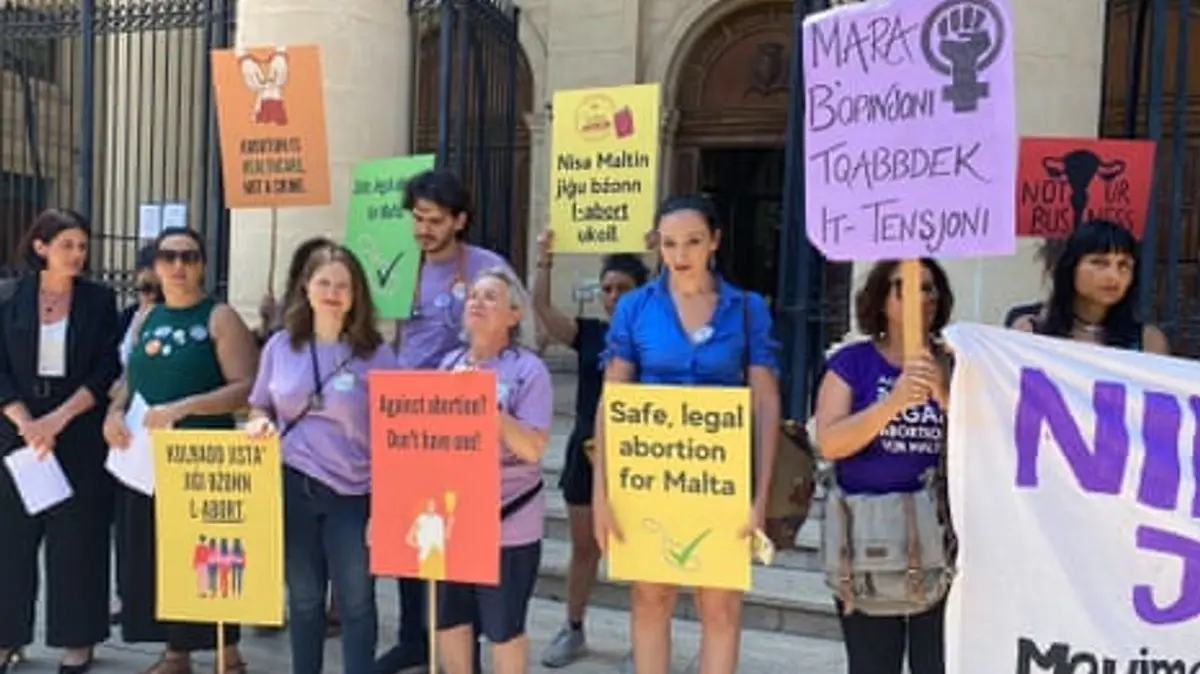
VALLETTA, Malta — In a bold act of civil disobedience aimed at challenging one of the world’s most restrictive abortion bans, pro-choice campaigners have installed approximately 15 clandestine lockboxes containing medical abortion pills across Malta and Gozo.
The campaign, spearheaded by the Netherlands-based international activist group Women on Waves, was launched in mid-April 2026 to highlight the “archaic” nature of Maltese law.
A Secret Network for Immediate Access
The initiative allows individuals seeking to terminate a pregnancy of less than nine weeks to email the organisation to receive a location and access code for one of the black key safes. Within the first eight days, the group reported that 16 women had already made contact.
According to Rebecca Gomperts, founder of Women on Waves, the goal is to provide a faster alternative to mail-order services, which can be delayed by international postage. “The only thing that we did is to make sure that they’re available there for women instead of having them wait for the mail,” Gomperts stated.
Legal and Ethical Firestorm
The move has ignited a fierce national debate in the staunchly Catholic nation, where abortion remains illegal in nearly all circumstances.
- The National Council of Women (NCW) has condemned the act as a threat to public safety and “unborn life,” formally calling on the Malta Police Force to investigate and shut down the operation.
- Health Minister Jo Etienne Abela reiterated that abortion remains a “criminal act” under Maltese law.
- Counter-Arguments: The Malta Women’s Lobby (MWL) expressed concern over the calls for investigation, arguing that the focus on illegality ignores the “desperation” of women facing crisis pregnancies.
Context of the Ban
Malta is the only EU country to maintain a near-total ban on abortion. While approximately 600 women in Malta are estimated to use abortion pills annually via telemedicine or travel abroad, deliberately terminating a pregnancy can carry a prison sentence of up to three years under Article 241 of the Criminal Code.
This “lockbox” campaign coincides with the group’s participation in the Malta Biennale, further pushing the conversation into the public eye despite ongoing attempts at censorship.