

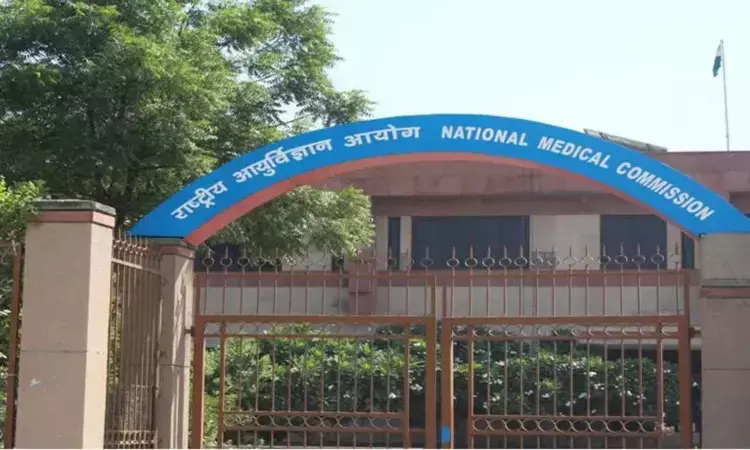
Supreme Court-mandated guidelines require institutions to report suicides, strengthen counselling services, fill vacancies, and ensure strict anti-ragging compliance
New Delhi: The National Medical Commission (NMC) has directed all medical colleges and institutions under its jurisdiction to take immediate steps to address student mental health concerns and prevent suicides on campuses. The move comes in compliance with directions issued by the Supreme Court of India following recommendations from the National Task Force on student well-being.
The advisory was issued by the policy and coordination division of NMC through a public notice sent to Additional Chief Secretaries, Principal Secretaries, and Directors of Medical Education of all States and Union Territories, as well as Deans and Directors of medical colleges for strict compliance.
Supreme Court Order Led to National Task Force
The directive follows the January 15, 2026 order of the Supreme Court in the case Amit Kumar & Others vs Union of India & Others. Earlier, through an order dated March 24, 2025, the Court had constituted a National Task Force under the Ministry of Education to examine the causes of student distress and recommend preventive strategies for improving emotional well-being in educational institutions.
The task force is headed by former Supreme Court judge S. Ravindra Bhat and has already submitted an interim report highlighting urgent measures needed to tackle mental health issues among students.
Monthly Compliance Reports Mandatory
Based on the recommendations of the task force, NMC has instructed all medical institutions to take immediate and time-bound action and submit a monthly Action Taken Report (ATR) to the commission via its official email.
The commission has warned that failure to comply with the directives may invite regulatory action under applicable laws and NMC regulations.
Mandatory Reporting of Student Suicides
Medical colleges have been instructed to maintain accurate records of student suicides or other unnatural deaths, particularly among students aged 15–29 years.
Institutions must document details such as:
- Student’s age
- Course and academic year
- Date and place of incident
- Whether the incident occurred in a hostel, campus, or private accommodation
- FIR details and police reporting status
The advisory reiterates that institutions have both moral and legal obligations to promptly register a First Information Report (FIR) with local police in the event of a suicide on campus.
24×7 Medical and Emergency Support Required
All residential medical colleges must ensure round-the-clock medical and emergency health services, either on campus or within a one-kilometre radius. Institutions must also maintain ambulance services and establish standard operating procedures (SOPs) for emergency response.
Filling Vacant Faculty Posts Within Four Months
NMC has directed institutions to fill all vacant teaching and non-teaching positions within four months. Colleges must also report sanctioned posts, filled positions, and vacancies annually to the central and state governments to ensure transparency.
Special recruitment drives are encouraged to fill reserved category vacancies, including posts for persons with disabilities.
Scholarship Delays Must Be Cleared
The commission has also instructed medical colleges to clear all pending scholarship disbursements within four months. Students must not face academic penalties due to delays in scholarship payments.
Institutions are prohibited from:
- Debarring students from classes
- Preventing them from appearing in examinations
- Removing them from hostels
- Withholding mark sheets or degrees due to pending scholarships
Strengthening Anti-Ragging and Grievance Redressal Systems
The advisory emphasizes strengthening statutory bodies on campuses, including:
- Anti-Ragging Committees and Squads
- Internal Complaints Committees (ICC)
- Student Grievance Redressal Committees
- Hostel Committees and Anti-Discrimination Officers
Colleges must also conduct awareness programmes, display anti-ragging helpline numbers, and report compliance on the national anti-ragging portal.
Mental Health Professionals Must Be Appointed
Medical colleges are required to establish dedicated mental health support systems by appointing qualified counsellors and psychologists. The advisory states that untrained faculty members should not be assigned counselling roles.
Institutions must also introduce crisis intervention protocols, confidentiality policies, and anonymous feedback mechanisms to help students seek support without fear.
Focus on Inclusive and Safe Campuses
The guidelines further mandate accessibility audits and infrastructure improvements for persons with disabilities, along with facilities for transgender students. Institutions must also provide examination accommodations and ensure inclusive campus environments.
The NMC has asked all medical colleges to begin immediate implementation of the advisory and submit regular compliance reports, stressing that failure to adhere to the guidelines could lead to regulatory action.
