NCDRC Overturns ₹10 Lakh Penalty on Dermatologist and Plastic Surgeon Over Absent Hair Regrowth
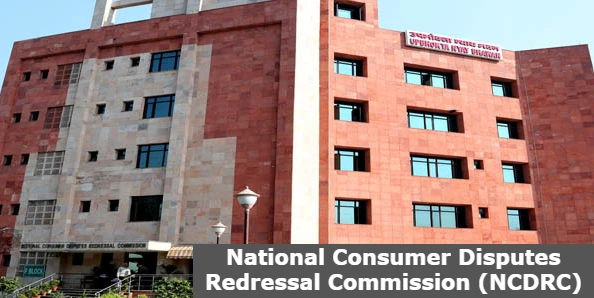
NEW DELHI — The National Consumer Disputes Redressal Commission (NCDRC) has ruled that a doctor cannot be held liable for medical negligence or deficiency in service merely because a patient fails to experience hair regrowth after Platelet-Rich Plasma (PRP) treatment. The apex consumer bench emphasised that medical outcomes naturally vary from person to person. Consequently, an unsuccessful cosmetic procedure cannot automatically be treated as definitive proof of a medical practitioner’s professional failure.
The decision sets aside prior compensation orders passed by lower consumer forums against a prominent medical kit supplier, a dermatologist, and a plastic surgeon. The final judgment firmly establishes that clinical uncertainty is an inherent part of biological therapies, insulating medical professionals from open-ended liability when a non-invasive cosmetic procedure does not deliver a patient’s expected aesthetic results.
Origins of the Decade-Long Cosmetic Dispute
The legal dispute originated in 2013 when a Mumbai-based advocate approached a medical service provider during his wife’s pregnancy. During standard consultations regarding umbilical cord preservation, company representatives introduced the advocate to PRP therapy as a viable clinical solution for his accelerating hair loss. The therapeutic process—outlined in promotional brochures and corporate digital portals—involved drawing a minor volume of the patient’s own blood, centrifuging it to isolate growth factors, and injecting the concentrated platelet-rich plasma back into the scalp to stimulate dormant follicles.
The complainant subsequently underwent three structured clinical sessions. The initial procedure was administered by a consultant dermatologist, and the following two sessions were completed by a qualified plastic surgeon. The patient paid a total fee of ₹59,525 for the entire therapy cycle.
However, following the conclusion of the treatments, the advocate observed no visible hair regrowth. He subsequently filed a formal consumer complaint, alleging that he was subjected to intense physical pain and localized bleeding during the injections. The complainant further asserted that the medical staff had misled him with false, explicit guarantees of “100% positive results” and claimed the operating clinic functioned without valid regulatory drug licenses.
Lower Forum Rulings and Overturned Compensation
In 2018, the Mumbai District Consumer Disputes Redressal Forum ruled heavily in favor of the patient. The district bench directed the clinical partners and the operating doctors to jointly refund the initial treatment costs and pay an additional ₹10 lakh as punitive compensation for intense mental agony and unfair trade practices.
Upon appeal in 2020, the Maharashtra State Consumer Disputes Redressal Commission upheld the core finding of joint liability. However, the state commission reduced the overall financial compensation package down to ₹6 lakh. Dissatisfied with the lower courts’ interpretation of medical protocols, the dermatologists, the operating plastic surgeon, and the kit manufacturing firm approached the apex consumer commission in New Delhi through interconnected revision petitions.
The National Commission’s Core Findings and Legal Logic
The high-level apex bench, comprising Presiding Member AVM J. Rajendra (Retd.) and Member Justice Anoop Kumar Mendiratta, meticulously picked apart the previous findings of the lower forums. A central finding of the national commission was that both the district and state consumer forums had fundamentally misunderstood the science, wrongly treating PRP therapy and stem cell therapy as the exact same medical procedure. The bench clarified that isolating a patient’s own blood components for immediate reinjection cannot be legally equated with industrial stem cell manufacturing or running a commercial blood bank.
Furthermore, the NCDRC highlighted several major evidentiary gaps in the patient’s case:
- Absence of Expert Testimony: The complainant failed to produce any independent expert medical evidence to prove that either the dermatologist or the plastic surgeon drifted from accepted clinical standards during the injections.
- Informed Voluntary Consent: Because the complainant was a practicing advocate, he possessed the professional capacity to thoroughly review the informational brochures and signed the official medical consent forms completely of his own free will. This heavily weakened his claims of administrative coercion or outright misrepresentation.
- Biological Variability: The commission observed that growth factor treatments do not produce uniform success across different human bodies, meaning a lack of hair growth is a biological reality rather than a sign of a doctor’s negligence.
Ultimately, the apex commission ruled that unless specific operational error or a clear deviation from standard dermatological guidelines is proven via expert analysis, a doctor cannot be penalised for the natural failure of a cosmetic procedure. The national bench completely quashed the lower courts’ penalty orders, providing significant legal clarity to India’s rapidly growing trichology and aesthetic medicine sectors.