

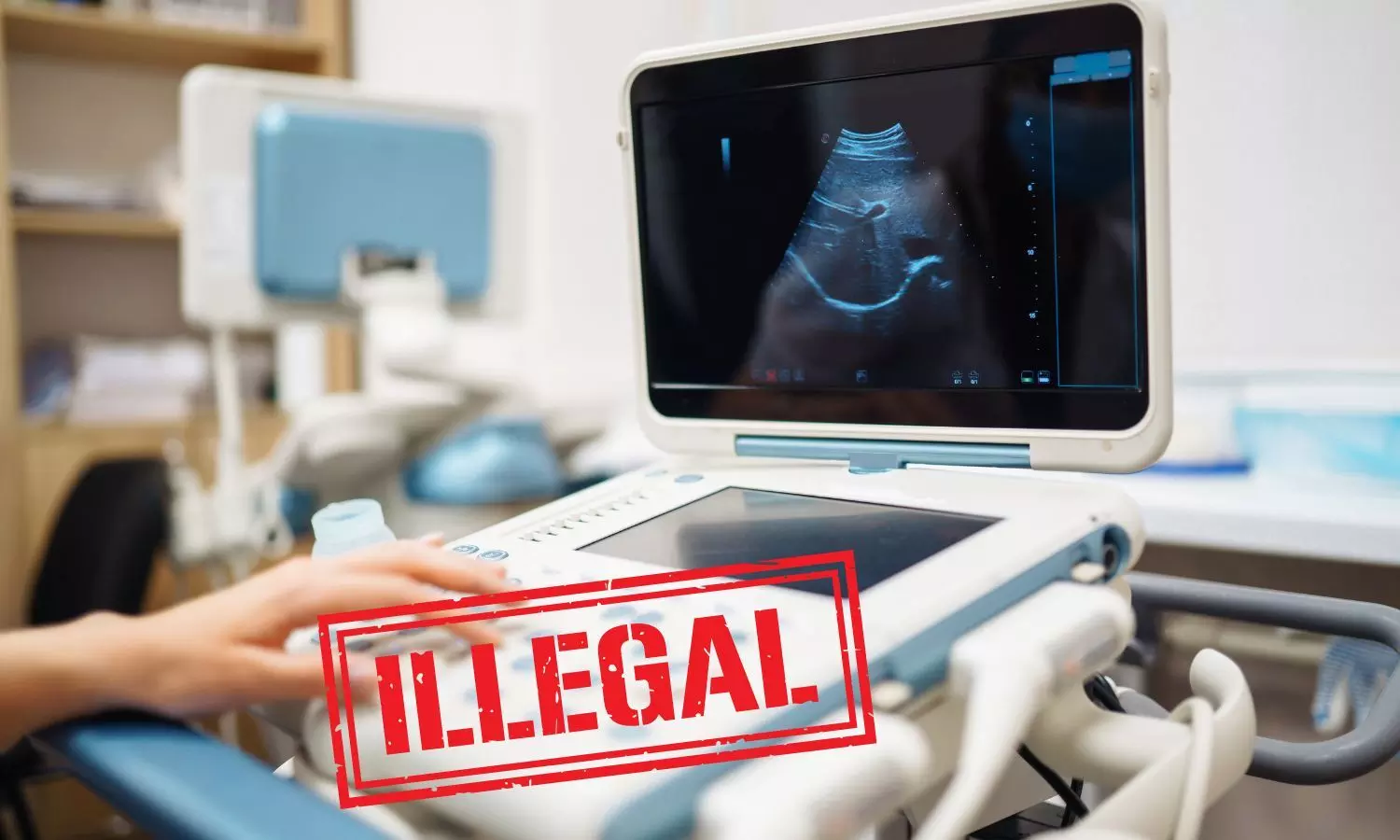
State government plans STF for statewide inspections, considers bringing illegal IVF and sonography operations under organised crime law
In a major move to curb illegal reproductive healthcare practices, the Maharashtra Government has announced the formation of a Special Task Force (STF) to launch a statewide crackdown on unauthorised IVF and sonography centres. The government is also considering bringing such offences under the ambit of organised crime, with legislation likely to be introduced during the next session of the state legislature.
The announcement was made on National Doctors’ Day by Maharashtra Public Health Minister Prakash Abitkar while replying to a question raised by Samajwadi Party MLA Abu Azmi in the state Legislative Assembly.
STF to Conduct Statewide Inspections
The proposed Special Task Force will conduct inspections across Maharashtra to identify and take action against IVF and sonography centres operating without the required approvals and regulatory permissions.
According to the Health Minister, illegal fertility and diagnostic centres have been mushrooming across the state, making stricter monitoring and enforcement essential to safeguard patients and ensure compliance with healthcare regulations.
He stated that the government is examining the possibility of treating such offences as organised crime and is preparing legislation that may be introduced during the next legislative session.
Recruitment of 1,400 Doctors Announced
Addressing concerns over manpower shortages in the public healthcare system, Abitkar announced that the state has initiated the recruitment process for 1,400 doctors.
He acknowledged that several rural hospitals continue to face significant shortages of medical personnel and assured the House that appointments to newly sanctioned posts would be made soon.
The minister also said the government would strengthen healthcare infrastructure and improve the availability of medical equipment in rural health facilities.
Government Assures Payment of Pending COVID-19 Dues
Responding to concerns raised by legislators, the Health Minister assured that pending COVID-19 payments to ASHA workers, Anganwadi workers, contractual employees and other frontline healthcare staff would be cleared.
The assurance came after Congress Legislature Party leader Vijay Wadettiwar urged the government to immediately release long-pending payments to frontline workers who served during the COVID-19 pandemic.
Rural Hospitals Face Staff and Funding Challenges
During the Assembly discussion, Wadettiwar highlighted that Brahmapuri Hospital, despite being upgraded to a 100-bed facility, has been unable to function effectively because a proposal to sanction 83 additional posts has remained pending for nearly two years.
He further stated that several hospital infrastructure projects across Maharashtra are 50 to 70 per cent complete but remain stalled due to inadequate funding.
The Congress leader also urged the government to increase financial allocation for Primary Health Centres (PHCs) from the existing ₹1.6 crore to ₹5 crore, noting that many PHCs provide healthcare services to 40–50 villages.
In response, Abitkar assured the House that partially completed healthcare infrastructure projects would be prioritised for funding.
Blood Banks Penalised for Delayed Stock Updates
In a separate written reply to a starred question raised by Shiv Sena MLA Murji Patel, the Health Minister acknowledged that some blood banks had failed to regularly update blood stock information on designated online platforms.
However, he clarified that the State Blood Transfusion Council had not received any complaints from patients or their families regarding difficulties in obtaining blood due to delayed updates.
The minister also rejected allegations that blood units had been wasted because of delayed reporting.
According to the data presented in the Assembly, blood banks in Mumbai and Nashik maintained a stock of 2,53,334 blood units between January and May 2026, of which 2,44,446 units were successfully utilised.
Blood Banks Face Financial Penalties for Non-Compliance
Abitkar said that under Central Government guidelines and a 2014 Maharashtra Government circular, all government and private blood banks are required to provide blood free of cost to patients with thalassaemia.
He added that blood stock details are uploaded in real time on the e-RaktKosh portal and the Maharashtra State Blood Transfusion Council website, with regular monitoring to ensure compliance.
Blood banks that fail to update stock information as required are liable to a penalty of ₹1,000 per day.
During the 2025–26 financial year, authorities imposed fines amounting to ₹32.67 lakh on blood banks found violating the prescribed reporting norms.
