

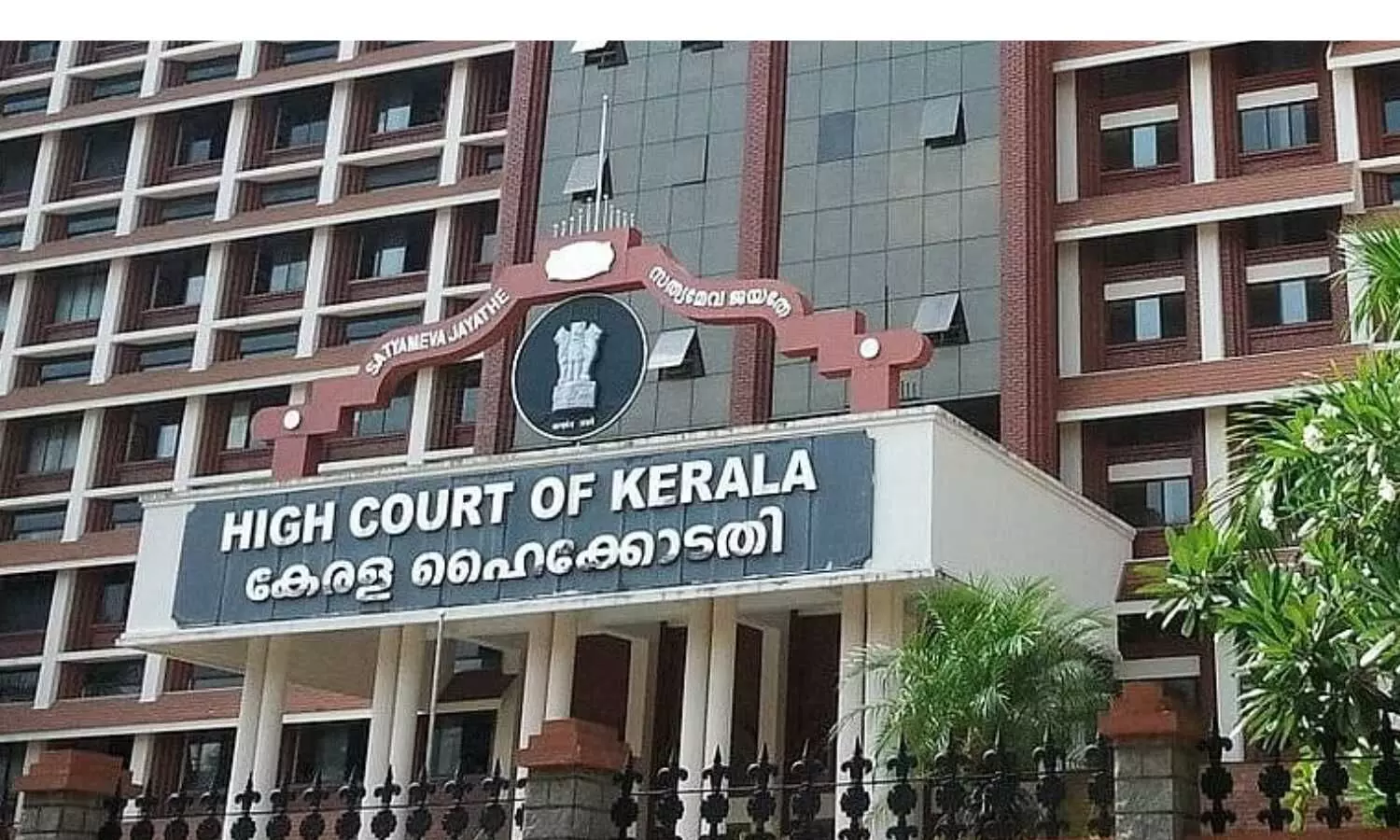
PALAKKAD, KL — In a landmark ruling for medical accountability, the Kerala High Court has held that failing to perform a mandatory pre-anaesthetic check-up (PAC) before surgery constitutes a prima facie case of gross negligence under Section 304A of the Indian Penal Code (IPC). The decision, delivered on April 7, 2026, underscores that such evaluations are not mere formalities but critical safeguards for patient life.
The 2014 Tragedy: Post-Partum Complications
The case stems from the tragic death of a 23-year-old woman in 2014.
- Healthy Delivery: The patient had delivered a baby without any medical complications two days prior to her death.
- Fatal Surgery: She was subsequently scheduled for a post-partum sterilisation (PPS) surgery. Following the administration of anaesthesia for this procedure, she developed peripartum cardiomyopathy and passed away.
- The Omission: An expert medical panel, including the District Medical Officer (DMO) and specialists in gynaecology, unanimously concluded that the mandatory pre-surgery evaluation was entirely skipped by the attending anaesthetist.
Court’s Observations: Depriving the “Chance to Save”
Justice G. Girish, presiding over a single bench, dismissed the doctor’s revision petition that sought to discharge him from criminal charges.
- Detection of Ailments: The court observed that skipping the PAC deprives medical professionals of the chance to detect underlying conditions like pulmonary hypertension or cardiomyopathy.
- Adequate Precaution: The bench noted that even if a condition is rare, an evaluation might reveal symptoms that allow for “adequate precautionary measures to save the life of the patient.”
- Fact vs. Record: While the doctor claimed hospital records showed a check-up was done, the court ruled this a “highly disputed question of fact” that must be settled in a full trial rather than during revision proceedings.
Legal Implications for Practitioners
The ruling clarifies that bypassing mandatory medical protocols creates a strong presumption of culpability. The court emphasised that criminal prosecution cannot be “throttled” when expert reports and documentary evidence squarely point to a failure in procedural duty. The matter will now proceed to trial before the Judicial First Class Magistrate Court-III, Palakkad, where the authenticity of the medical records will be rigorously examined.
