

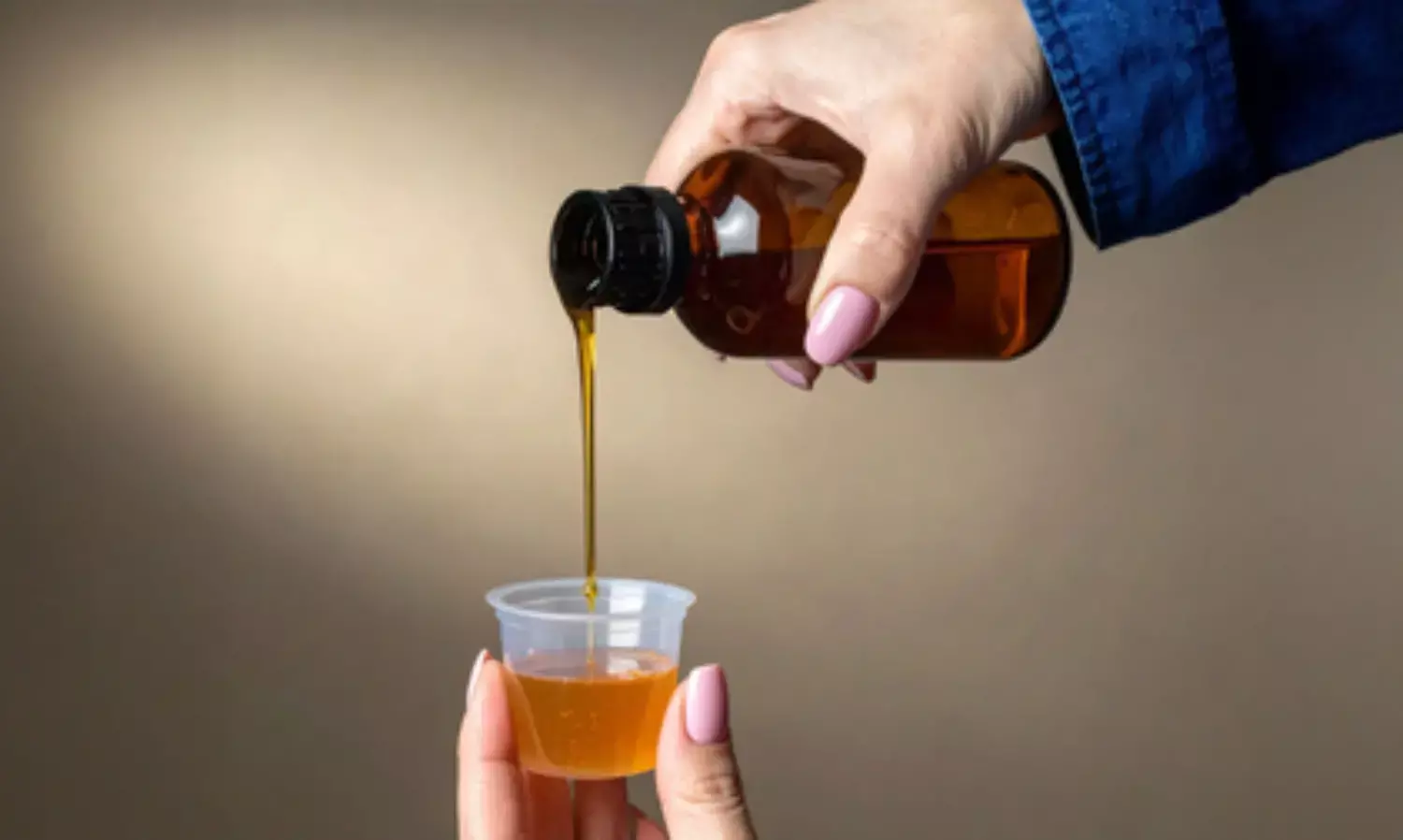
NEW DELHI — In a major regulatory intervention aimed at eliminating structural flaws in manufacturing safety, India’s apex drug regulator has initiated wide-ranging consultations with the pharmaceutical industry regarding the use of high-risk solvents in paediatric oral liquid formulations. The Central Drugs Standard Control Organisation (CDSCO) has flagged severe contamination risks associated with common pharmaceutical excipients—specifically propylene glycol and polyethylene glycol—which can carry lethal traces of industrial impurities. This decisive national push follows a comprehensive office memorandum highlighting the urgent need to establish tighter controls and potential reformulation requirements across the country’s paediatric medicine pipeline.
The Chemistry of the Toxic Menace
The regulatory crackdown is centered on preventing the accidental substitution or contamination of safe raw materials with highly toxic industrial chemicals. While pharmaceutical-grade propylene glycol is a globally accepted solvent used to dissolve active ingredients in cough syrups and drops, it is vulnerable to contamination by diethylene glycol (DEG) and ethylene glycol (EG) if supply-chain testing lapses. Both DEG and EG are colorless, odorless, sweet-tasting industrial grade chemicals typically reserved for automotive brake fluids and anti-freeze products.
When ingested, even in minute trace amounts, these nephrotoxic compounds metabolize into diglycolic acid, triggering severe acute kidney injury (AKI), multi-organ failure, and rapid neurological collapse. Because children possess significantly lower body weight thresholds, a single teaspoon of contaminated syrup can prove highly fatal, exhibiting historic mortality rates ranging from 30% to 100% depending on how quickly clinical resuscitation begins.
Tragic Precedents Trigger Massive Overhauls
The regulatory urgency is deeply tied to devastating public health tragedies. Laboratory analyses confirmed that certain local batches of pediatric formulations—including Coldrif syrup manufactured by Sresan Pharmaceuticals—contained a staggering 48.6% toxic concentration of DEG. This specific formulation failure was directly linked to the tragic deaths of at least nine children in Madhya Pradesh’s Chhindwara district and two children in Rajasthan, prompting local police to execute arrests of firm owners and revoke manufacturing licenses.
The World Health Organization (WHO) subsequently worked alongside national monitors to issue high-level medical alerts to isolate contaminated batches labeled as Coldrif, Respifresh TR, and ReLife from informal or unregulated markets. Although investigators confirmed that none of these tainted batches crossed international boundaries, the domestic toll has permanently reshaped regulatory priorities.
Mandating Strict Consultations and Future Benchmarks
In an office memorandum issued on May 11, Drugs Controller General of India (DCGI) Dr Rajeev Singh Raghuvanshi detailed that the Drugs Consultative Committee (DCC) has intensely deliberated on setting absolute caps for high-risk raw materials. Pharma industry associations have been ordered to nominate expert representatives familiar with analytical testing to help draft unyielding quality assurance guidelines.
The upcoming regulatory roadmap is expected to make independent, multi-stage raw material testing mandatory for every single batch of glycerin and propylene glycol arriving at local factories. Manufacturers will be legally required to provide certified chemical profile sheets verifying zero trace impurities before a syrup goes to a commercial bottling line.
Furthermore, public health bodies are pushing parallel restrictions. The Health Ministry is evaluating separate provisions under the draft National Formulary of India (NFI) to ban the prescription of generic cough syrups for infants under two years of age. By forcing the pharmaceutical industry to shift toward safer chemical alternatives and imposing strict automated testing matrices, regulators aim to restore public confidence and protect the health of millions of children from preventable industrial poisonings.

