

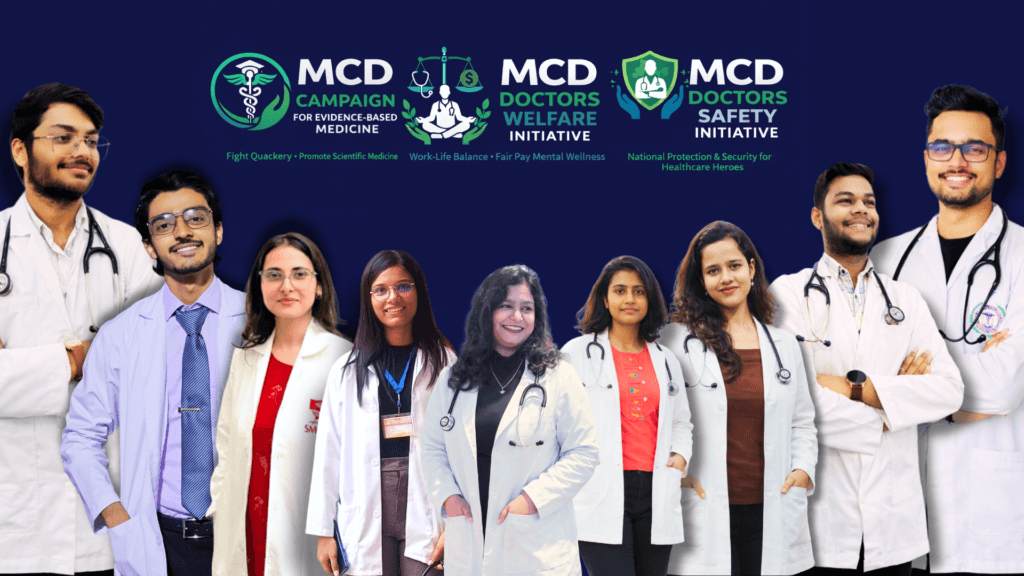
NEW DELHI — In a highly anticipated regulatory development, the Delhi Medical Council (DMC) has officially formed its newly elected 8-member panel following the conclusion of the 2026 organizational elections. The elections, which saw an impressive turnout of registered modern medicine practitioners from both public tertiary hospitals and private healthcare setups across the National Capital Territory (NCT), mark a fresh chapter in the capital’s medical governance.
This newly formed panel steps into office at a critical juncture for medicine in Delhi, inheriting deep-seated, systemic challenges. The board will be tasked with directly tackling the rapid proliferation of unauthorized medical practice (quackery), enforcing strict ethical codes under consumer protection landscapes, and managing the growing administrative friction surrounding the renewal of Delhi Medical Council registrations. For doctors across India, this regulatory guard shift provides a clear look at how state-level councils are evolving to protect the clinical autonomy and safety of the modern healthcare workforce.
[ Delhi Medical Council (DMC) ]
2026 Governing Board
│
┌────────────────────────────┴────────────────────────────┐
▼ ▼
[ 8 Democratic Elected Panelists ] [ Nominated & Ex-Officio Members ]
• Elected directly via state-wide medical ballots • Nominated by Delhi Govt & Central Ministries
• Core focus: Disciplinary trials & Ethics • Core focus: State policy & Public health links
The Electoral Context and Fraternal Mandate
The Delhi Medical Council operates as a statutory body established under the Delhi Medical Council Act, 1997. It is legally mandated to maintain the Delhi Medical Register, verify and grant licenses to allopathic clinicians, and act as a quasi-judicial disciplinary board investigating cases of alleged medical malpractice or breach of professional conduct within the capital.
The 2026 election cycle witnessed intense campaigning, with various doctor coalitions—including representatives from the Federation of Resident Doctors’ Association (FORDA), the Indian Medical Association (IMA) Delhi Branch, and prominent faculty networks from Maulana Azad Medical College (MAMC) and AIIMS—vying for the eight coveted democratically elected seats.
The primary mandate given to the winning 8-member panel focuses heavily on structural transparency, a total overhaul of the council’s outdated digital verification systems, and more assertive defensive lobbying to secure safe working environments for doctors in government and corporate institutions.
Immediate Clinical and Disciplinary Priorities for the New Panel
According to preliminary statements from the incoming council leaders, the 8-member panel has outlined a strict, multi-pronged administrative roadmap designed to streamline operations over its tenure:
1. A Relentless Crackdown on Quackery
The unchecked operations of fake medical practitioners continue to be a severe public health hazard and a major legal headache for allopathic clinicians in Delhi’s peripheral and peri-urban zones. The incoming panel has promised to drastically accelerate the operations of the DMC’s anti-quackery cell. Plans are underway to establish a standardized, digital whistle-blower portal linked directly with local law enforcement and District Magistrates to execute swift raids, seal illicit clinics, and prosecute offenders under non-bailable provisions.
2. Accelerating Pending Disciplinary Backlogs
Due to administrative delays and legal bottlenecks over the past few sessions, the council’s Executive Committee faces a considerable backlog of pending medical negligence complaints. The new panel aims to establish dedicated fast-track disciplinary benches. These panels will work to rapidly resolve cases within a strict 180-day window, ensuring that frivolous complaints against honest doctors are dismissed early, while genuine instances of professional misconduct are dealt with decisively.
[ Patient/Complainant Files Malpractice Claim ]
│
▼
[ Preliminary Screen by DMC Benches ]
│
┌────────────────┴────────────────┐
▼ ▼
[ Frivolous Allegation ] [ Prima Facie Misconduct ]
Dismissed within 60 days to Fast-tracked for resolution
prevent harassment of doctors within mandatory 180-day window
3. Overhauling the Continuous Medical Education (CME) Tracking System
Under current regulations, Delhi doctors must secure a mandatory 30 CME credit hours every five years to successfully renew their state registration. The new panel intends to transition this entirely into an automated, self-serve online system. By introducing an integrated mobile app and web-portal, doctors can directly upload attendance certificates or complete accredited e-learning modules, completely eliminating the need for slow, manual paper submissions at the physical DMC headquarters.
Core Strategic Takeaways for the Indian Medical Community
| Regulatory Vector | Historical Operational Status | Incoming Panel’s Enforcement Target |
| Registration Renewal Process | Manual paper filing; long queues; structural delays in generating physical certificates. | Fully automated cloud-based processing via the official DMC web portal within 72 hours. |
| Anti-Quackery Tracking | Reliant on slow, physical written letters; delayed inter-departmental enforcement. | Real-time digital reporting app with immediate geolocational mapping for law enforcement teams. |
| Professional Indemnity & Support | Limited structural guidance for physicians caught in sudden consumer court litigation. | Creation of a dedicated legal advisory wing to provide standard guidelines for handling medical legal claims. |
The administrative transition within the Delhi Medical Council reflects a broader, national push toward tighter, more modern healthcare regulation. As the newly formed 8-member panel formally takes its seats alongside appointed government representatives, doctors throughout India will be watching the capital’s rollout closely.
If this newly elected panel can successfully cut down on local quackery, reduce administrative waiting times, and establish clear, efficient disciplinary processes, it could set a strong, practical example for state medical councils across the country to follow. All medical practitioners registered within the Delhi NCT are advised to check the updated portal frequently for upcoming notices regarding digitized CME tracking and enrollment updates.
