Article 21 Includes Right to Timely Medical Treatment, Court Observes
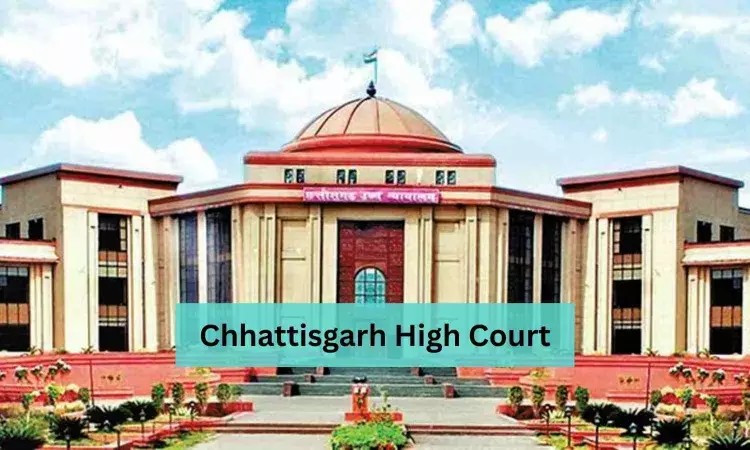
Bilaspur: The Chhattisgarh High Court has directed the competent authority to decide within ten days on a parole application filed by a 68-year-old prisoner suffering from a serious medical condition. The court observed that the constitutional guarantee under Article 21 of the Constitution of India includes the right to receive adequate and timely medical treatment.
The order was passed by a Division Bench comprising Chief Justice Ramesh Sinha and Justice Ravindra Kumar Agrawal while hearing a writ petition filed on behalf of the inmate currently lodged in the Central Jail Bilaspur. The petitioner approached the court citing serious health complications and the urgent need for specialised medical treatment.
Prisoner Facing Risk of Further Amputation
According to the petition, the prisoner has been battling a severe infection that has already resulted in the amputation of one toe. Medical records submitted before the court showed that the procedure had earlier been carried out at Dr. B. R. Ambedkar Memorial Hospital.
However, subsequent medical advice indicated that the infection continued to spread, placing him at risk of further amputation of his legs if urgent treatment was not provided.
Parole Sought for Treatment at Private Hospital
The inmate sought parole under the Chhattisgarh Prisoner’s Leave Rules, 1989, requesting permission to undergo treatment at a private hospital of his choice at his own expense. In his application, he stated that he had lost confidence in the treatment available at the government facility and wished to seek specialised care elsewhere.
Although jail authorities forwarded the parole request to the District Magistrate for consideration, the matter reportedly remained undecided despite the seriousness of the prisoner’s medical condition.
Petitioner Alleges Arbitrary Delay
Appearing for the petitioner, advocate Chandrakaditya Pandey argued that the prolonged inaction on the parole application amounted to arbitrary conduct by the authorities. He submitted that the delay was particularly concerning given the prisoner’s deteriorating health and the growing medical risk of further amputation.
The counsel contended that keeping the application pending violated the prisoner’s fundamental rights under Articles 14 and 21 of the Constitution, especially when urgent medical treatment was required.
State Opposes Plea, Says Parole Not an Absolute Right
Opposing the plea, the State, represented by Deputy Government Advocate N. K. Jaiswal, argued that parole cannot be claimed as an automatic or absolute right. The State informed the court that the request was already under consideration by the competent authority and maintained that the prison administration remained committed to providing necessary medical care within the prison healthcare system.
Court Emphasises Right to Life and Medical Care
After examining the medical documents on record, the Bench noted that the prisoner’s condition appeared serious and required immediate attention. The judges emphasised that while parole may not be a guaranteed right, authorities are obligated to decide such applications within a reasonable timeframe, particularly when they involve urgent medical grounds.
The court observed that the right to life guaranteed under Article 21 encompasses the right to timely and adequate medical treatment. It further remarked that administrative inaction in matters concerning health and life cannot be justified.
High Court Orders Decision Within 10 Days
Taking note of the delay, the High Court directed the competent authority to consider and decide the prisoner’s parole application within ten days, stressing that cases involving serious medical conditions must be handled with urgency and sensitivity.