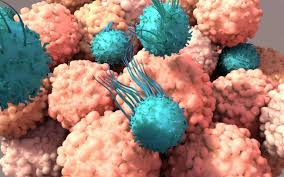
LONDON, UK — In a historic development for global hematology and cellular medicine, researchers in the United Kingdom have initiated Europe’s first clinical trial evaluating Chimeric Antigen Receptor T-cell (CAR T-cell) therapy specifically engineered for patients suffering from relapsed or refractory light chain (AL) amyloidosis. Led by clinicians and scientists at University College London (UCL) and University College London Hospitals NHS Foundation Trust (UCLH), the ALARIC trial has successfully treated its first cohort of patients.
This milestone early-phase study represents a massive leap forward from treating conventional hematological malignancies, such as multiple myeloma and diffuse large B-cell lymphoma (DLBCL), to deploying advanced genetically modified cell therapies against severe plasma cell dyscrasias that cause systemic organ failure. For Indian hematologists, oncologists, and nephrologists, this trial offers a fundamental blueprint for managing a highly fragile patient demographic that traditionally exhibits poor tolerance to conventional chemotherapy.
The Pathopathology of AL Amyloidosis and Current Clinical Pitfalls
Light chain amyloidosis is a rare, life-threatening blood disorder characterized by the clonal proliferation of abnormal plasma cells in the bone marrow. Unlike classic multiple myeloma, where the burden of plasma cells causes bone destruction and hypercalcemia, the malignant clones in AL amyloidosis produce unstable, misfolded monoclonal “light chain” proteins. These toxic fragments self-assemble into insoluble amyloid fibrils that progressively deposit within vital extracellular matrices—predominantly targeting the heart, kidneys, liver, and peripheral nervous system.
[Clonal Plasma Cells in Bone Marrow]
│
▼
[Misfolded Light Chain Proteins]
│
▼
[Insoluble Amyloid Fibril Deposition]
│
┌────────┴────────┐
▼ ▼
[Restructive [Nephrotic Syndrome /
Cardiomyopathy] End-Stage Renal Failure]
Up until now, standard frontline therapeutics in India and globally have relied on aggressive systemic chemotherapy combinations—most notably the CyBorD regimen (cyclophosphamide, bortezomib, and dexamethasone) combined with the anti-CD38 monoclonal antibody daratumumab. While this protocol effectively targets plasma cell replication, it requires prolonged weekly infusions spanning up to 18 to 24 months, carrying a high burden of systemic toxicity. Furthermore, for the subset of patients who fail to achieve a complete hematologic response or suffer an early relapse, treatment options are drastically limited, and the disease inevitably progresses toward catastrophic organ failure.
The ALARIC Protocol: Technical Specifications of the Trial
The ALARIC trial is a non-commercial, open-label Phase I clinical study developed under the UK Myeloma Research Alliance. It is structurally designed to evaluate the baseline safety profile, maximum tolerated dose, and early efficacy markers of autologous CAR T cells in a planned cohort of at least 12 patients.
The fundamental scientific rationale hinges on an intersection with multiple myeloma: the abnormal, misfolding plasma cells driving AL amyloidosis express the exact same surface antigen—B-cell Maturation Antigen (BCMA)—that is highly targeted in current myeloma therapies.
The Manufacturing and Infusion Workflow:
- Leukapheresis: The patient’s native T cells are harvested via a large vein catheter.
- Genetic Reprogramming: Using a viral vector, the T cells are modified in a cleanroom laboratory to express a chimeric antigen receptor configured against the BCMA epitope.
- Lymphodepletion: Patients undergo a brief preconditioning chemotherapy cycle (typically using fludarabine and cyclophosphamide) to lower native white blood cell counts and clear a cellular niche for the modified cells.
- Targeted Dissection: Once infused, the CAR T cells act as a living drug, executing precise, targeted destruction of the clonal plasma cell population directly at the bone marrow source.
The Scientific Rationale: “If we can completely eliminate the clonal plasma cells at their source, we instantly halt the production of faulty light chain proteins,” explains Professor Ashutosh Wechalekar, Chief Investigator of the trial and Consultant Hematologist at UCLH. “By stopping new amyloid deposition, we create a critical window that allows damaged organs and tissues a genuine chance to naturally recover and heal over time.”
Navigating the Frailty Frontier: Safety Considerations
For Indian practitioners, the primary point of interest during the rollout of this trial will be the management of specialized toxicities in an incredibly fragile patient group. In traditional multiple myeloma CAR T therapies, systemic side effects such as Cytokine Release Syndrome (CRS) and Immune Effector Cell-Associated Neurotoxicity Syndrome (ICANS) are well-documented and manageable with tocilizumab and corticosteroids.
However, patients with AL amyloidosis present a significantly higher risk profile due to existing organ damage. A mild drop in blood pressure or a transient fluid overload during a CRS episode—which a standard myeloma patient might easily tolerate—can cause severe arrhythmias, acute decompensation, or rapid diastolic heart failure in a patient with an amyloid-infiltrated, non-compliant myocardium.
To mitigate these risks, the ALARIC trial has established incredibly strict inclusion and exclusion guardrails. For instance, eligible candidates must maintain an adequate baseline organ framework, including an estimated glomerular filtration rate (eGFR) greater than 30 ml/min and an N-terminal pro-bnp (NT-proBNP) level strictly below 5,000 ng/L. Following infusion, patients are kept under intensive, round-the-clock clinical observation and daily neurological checks for a minimum of 14 days to catch any early signs of systemic distress.
Strategic Implications for the Indian Hematology Landscape
As India rapidly expands its domestic cellular therapy capabilities—marked by the recent indigenous development and approval of low-cost CAR T-cell platforms for lymphoma and leukemia—the ALARIC trial opens a highly promising new therapeutic frontier.
| Clinical Coordinate | Traditional Chemotherapy Pathway | Emerging CAR T-Cell Pathway (ALARIC Model) |
| Treatment Duration | Continuous weekly infusions for 6 months; up to 18 months of maintenance. | Single, one-time cellular infusion followed by proactive monitoring. |
| Primary Cellular Target | Non-specific cytotoxic destruction of rapidly dividing marrow cells. | Precise, ultra-targeted elimination of BCMA-expressing clonal plasma cells. |
| Organ Preservation | Slow reduction in protein load; prolonged risk of ongoing deposition. | Rapid interruption of the disease source, optimizing early organ functional recovery. |
| Patient Quality of Life | High cumulative toxicity, neuropathy, and chronic immune suppression. | Intensive early acute phase (14–21 days) followed by long-term treatment-free survival. |
Given that AL amyloidosis remains notoriously difficult to diagnose early in India—often misdiagnosed as standard nephrotic syndrome or idiopathic cardiomyopathy until advanced organ involvement has taken hold—the arrival of a high-efficacy, single-dose therapeutic model could radically reshape survival outcomes.
Indian tertiary centers and academic research institutions should closely track the emerging safety data from this European cohort. If the anti-BCMA approach demonstrates a manageable safety profile without unmanageable cardiac toxicities, adapting India’s cost-effective, localized CAR T manufacturing pipelines to target AL amyloidosis could offer a literal lifeline to thousands of refractory patients across the subcontinent.