ROME — The global push toward eco-friendly and circular economy models is facing a critical bottleneck as a major United Nations food security body issued an international warning regarding recycled food packaging. In its latest comprehensive scientific review, titled “Food safety implications of recycled plastics and alternative food contact materials,” the agency cautioned that the rapid adoption of recycled plastics and bio-based containers is outpacing existing food safety controls. The report emphasizes that without stricter, data-backed decontamination protocols, recycled materials can introduce unexpected chemical contaminants directly into the global food supply chain.
The Chemistry of Recycled Contamination
While newly manufactured “virgin” plastics operate under predictable chemical parameters, the recovery and mechanical reprocessing of post-consumer plastic waste introduces significant chemical variance. The global study revealed that recycled plastics frequently contain higher concentrations of hazardous substances—including heavy metals, industrial flame retardants, phthalates, and persistent organic pollutants—compared to newly synthesized polymers.
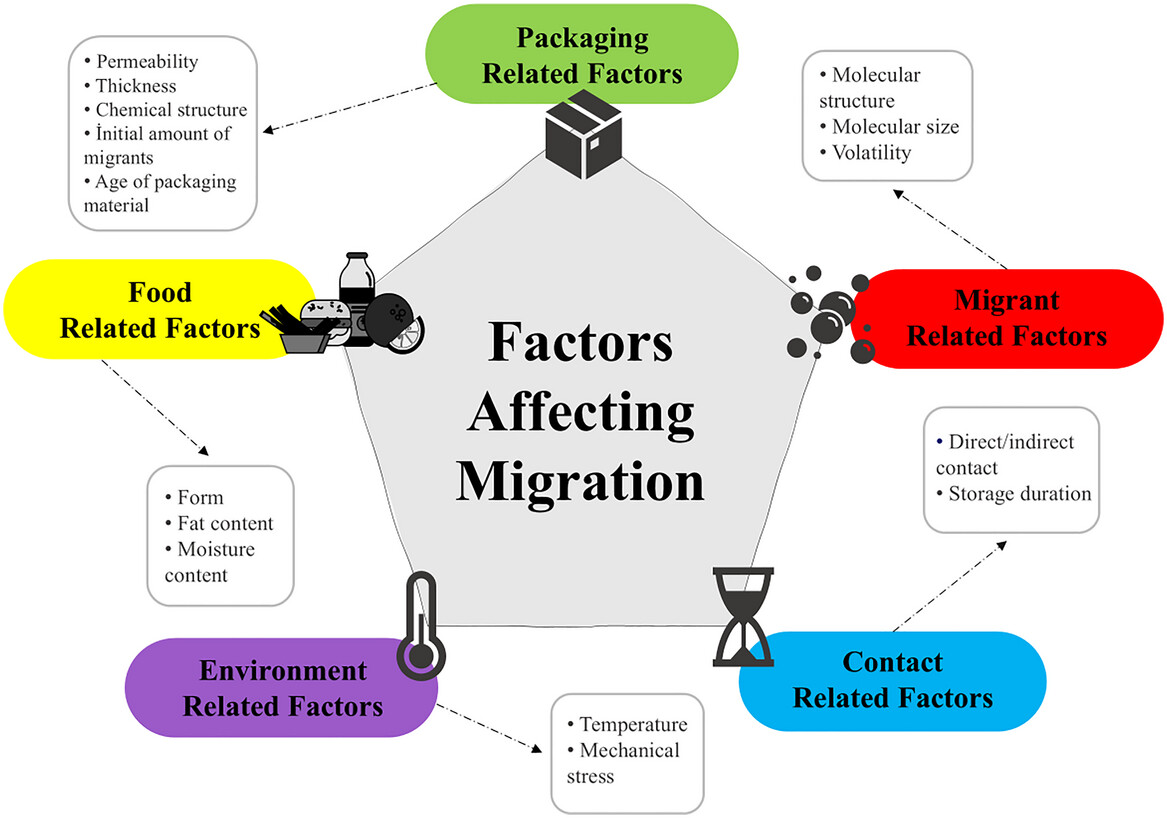
These health risks are divided into two distinct groups: Intentionally Added Substances (IAS) used during manufacturing and Non-Intentionally Added Substances (NIAS). The latter includes breakdown products, environmental impurities, and chemical cross-contamination. Because plastic wrappers and containers absorb trace chemicals from their previous environments or consumer misuse, inadequate washing and sorting loops can concentrate these toxic compounds. Through a process known as “chemical migration,” these unstable toxins can gradually leak out of the recycled container lining and directly contaminate the food or beverage inside, leading to unmonitored human exposure.
Bio-Plastics and Nano-Scale Vulnerabilities
The investigation also evaluated trendy “bioplastics” made from plant fibers and renewable resources like corn, sugarcane, or cassava, which are widely marketed as biodegradable substitutes for petroleum-based polymers. Surprisingly, the report warns that “bio-based” does not inherently mean safe or biodegradable. Plant-derived raw materials can carry latent agricultural chemical residues, including concentrated pesticides, heavy metals from soil, and natural fungal toxins or allergens that escape standard manufacturing filtration. Furthermore, the growing use of uncharacterized nanomaterials to improve active packaging features introduces entirely new, unmapped molecular hazards into consumer diets.
Compounding this dilemma is the emerging threat of microplastics and nanoplastics, which have now been scientifically confirmed inside human organ tissues. Despite rising public anxiety over these microscopic fragments in bottled beverages and snacks, the international body admitted that a current deficit of validated analytical detection methods prevents global regulatory agencies from establishing a definitive, standardized threshold for human health risks.
A Call for Harmonized Global Oversight
The report strongly criticizes the current fragmented state of international food-contact material (FCM) regulations. Currently, major economic zones like the European Union, the United States, and Japan enforce widely disparate testing benchmarks, creating immense regulatory confusion and potential trade barriers for global food exporters.
To achieve a truly safe circular economy, the UN agency is calling for an immediate international harmonization of regulatory frameworks via the Codex Alimentarius Commission. Food policy experts recommend the mandatory introduction of comprehensive “challenge tests” using surrogate contaminants to verify the decontamination efficiency of commercial recycling systems. Additionally, local municipalities must overhaul their waste streams, implementing highly accurate, resin-specific sorting mechanisms to completely isolate food-grade plastics from industrial or medical waste before processing begins. The core message of the scientific consensus is clear: solving the planet’s plastic pollution crisis must not come at the cost of compromising public health at the dinner table.