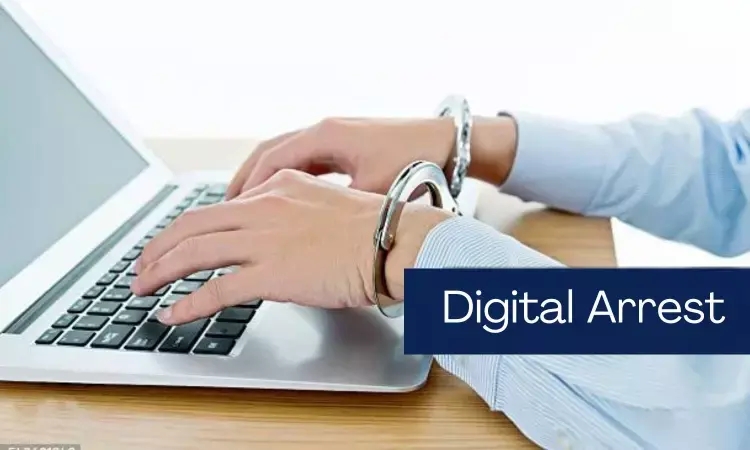
A shocking case of cyber fraud has emerged from Maharashtra, where a 76-year-old retired medical officer was allegedly cheated of ₹2 crore through a sophisticated “digital arrest” scam. The incident has once again highlighted the growing threat of impersonation-based cyber crimes targeting senior citizens.
Fraudsters Posed as Top Authorities Including Supreme Court, ED
According to the complaint, the scammers impersonated officials from the Supreme Court of India, Enforcement Directorate, Mumbai Police, and Reserve Bank of India.
They allegedly sent forged documents via WhatsApp, complete with fake government seals, to make their claims appear legitimate. The victim was told that his bank account was linked to terrorist activities and that he was under “digital arrest.”
Threats, Fear Tactics Used to Force Money Transfers
The fraudsters reportedly kept the elderly victim under psychological pressure between March 23 and April 3 through threatening messages and calls.
Fearing legal consequences, the victim transferred a total of ₹2 crore to accounts specified by the accused, believing he was complying with official instructions to avoid arrest.
FIR Registered, Probe Underway
Following the incident, a complaint was lodged at the Cyber Police Station, leading to the registration of an FIR. Authorities have invoked multiple sections under the Bharatiya Nyaya Sanhita, along with Section 66 of the Information Technology Act.
As per reports, no arrests have been made so far, and the investigation is ongoing.
Rising Trend: ‘Digital Arrest’ Scams Targeting Elderly
This case is part of a growing pattern of “digital arrest” scams across India, where fraudsters impersonate law enforcement or judicial authorities to extort money.
In a similar incident, a 90-year-old retired Air Force doctor in Gwalior was allegedly duped of ₹2.5 crore after being virtually “detained” by scammers for nearly 25 days.
Cyber Experts Issue Advisory
Cybersecurity experts have urged citizens—especially senior citizens—to remain cautious and follow these key precautions:
- Never transfer money based on threats or “digital arrest” claims
- Do not share personal or banking details over phone or messaging apps
- Verify any legal notice or warrant directly with official authorities
- Immediately report suspicious calls to cybercrime helplines
Key Takeaway
The ₹2 crore fraud case serves as a stark reminder that cybercriminals are using increasingly sophisticated tactics, blending fear, authority, and technology. Public awareness and timely verification remain the strongest defenses against such scams.