

India tightens regulations on stem cell use; only approved diseases allowed in routine care, others limited to clinical trials
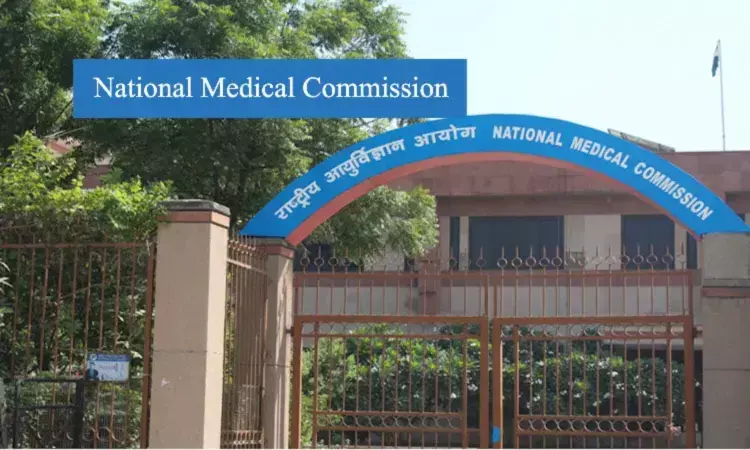
In a significant move to regulate advanced medical treatments, the National Medical Commission (NMC) has issued a nationwide advisory restricting the use of stem cell therapy in routine clinical practice. The directive follows a landmark judgment by the Supreme Court of India that clarified the legal and ethical boundaries of such treatments.
The advisory mandates that stem cell therapy can only be used as standard care for diseases approved by the Ministry of Health and Family Welfare (MoHFW). Any use beyond these indications is strictly limited to approved clinical trials.
Supreme Court Declares Stem Cell Therapy for Autism as Unethical Outside Trials
The directive stems from the Supreme Court’s January 30, 2026 judgment in the case of Yash Charitable Trust vs Union of India. The bench, comprising Justice JB Pardiwala and Justice R Mahadevan, ruled that stem cell therapy for Autism Spectrum Disorder (ASD) is not an approved or scientifically validated treatment.
The court emphasized that offering such therapy outside regulated clinical trials amounts to medical malpractice due to the lack of conclusive evidence regarding its safety and effectiveness.
ICMR Pushes for Strict Compliance
Following the judgment, the Indian Council of Medical Research (ICMR) urged the NMC to issue clear instructions to all medical institutions.
ICMR highlighted that:
- Stem cell therapy in routine practice must be limited to MoHFW-approved indications
- Any experimental use must strictly follow ethical guidelines
- Prior approval is mandatory from regulators depending on the level of stem cell manipulation
Regulatory Approval Mandatory for Research
The advisory clarifies a dual regulatory framework:
- Research involving minimally manipulated stem cells will be overseen by the Department of Health Research (DHR)
- Research involving more than minimal manipulation will fall under the Central Drugs Standard Control Organisation (CDSCO)
Additionally, all clinical trials must receive approval from Institutional Ethics Committees and comply with national ethical standards, including:
- Informed patient consent
- No financial burden on participants
- Compensation in case of adverse outcomes
List of Approved Diseases for Stem Cell Therapy
The advisory reiterates that only hematopoietic stem cell transplantation is recognized as standard care—and only for specific conditions.
Approved conditions include:
- Blood cancers such as leukemia, lymphoma, and multiple myeloma
- Bone marrow disorders like aplastic anemia
- Certain autoimmune diseases such as multiple sclerosis
- Pediatric conditions including thalassemia, immunodeficiency disorders, and neuroblastoma
Notably, mesenchymal stem cell therapy is not approved for any condition.
Legal Action for Violations
The NMC has warned that any deviation from the guidelines will be considered illegal and may invite strict regulatory and legal action.
“Any stem cell treatment not included in the approved list or not conducted under authorized clinical trials will be deemed unlawful,” the advisory stated.
Nationwide Implementation Ordered
The NMC has directed all medical colleges and institutions across India to strictly comply with the Supreme Court ruling and the updated guidelines.
This move is expected to curb unregulated and potentially unsafe stem cell treatments, ensuring that patient safety and scientific integrity remain paramount in emerging medical therapies.
