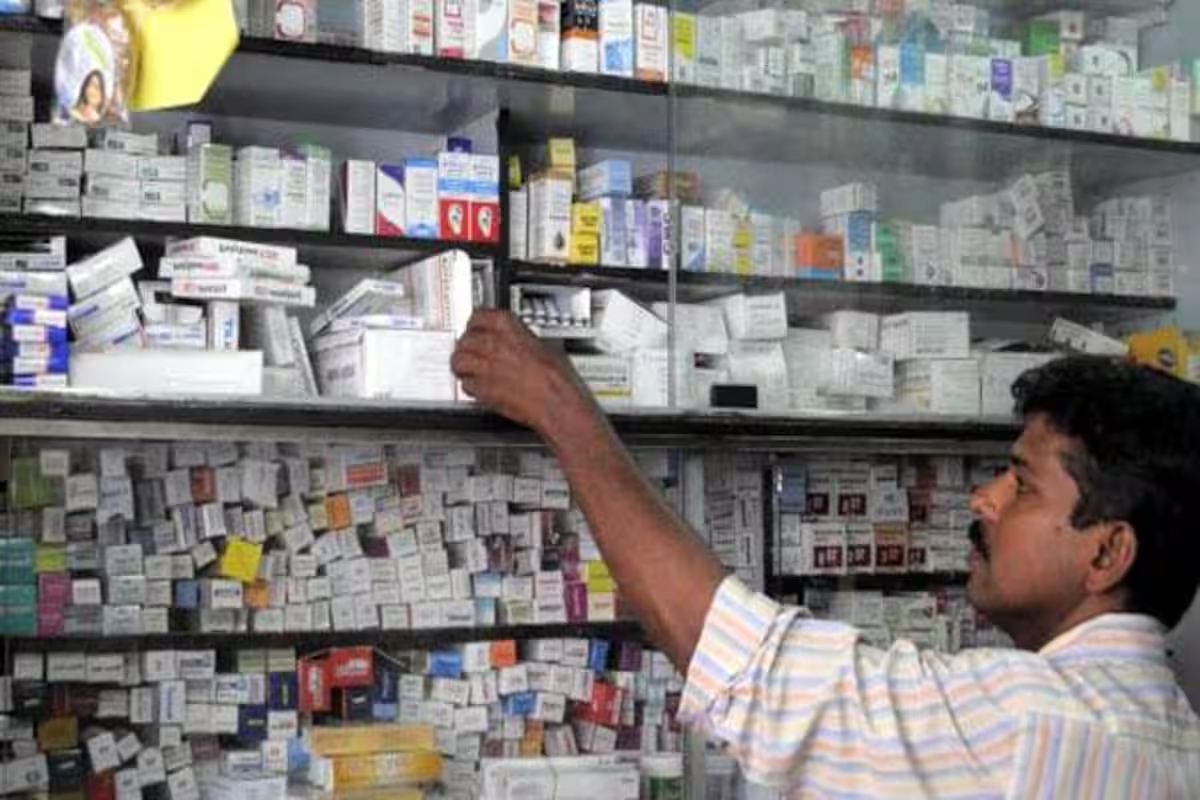
NEW DELHI – The pharmaceutical supply chain across India is set to face a massive disruption as approximately 12.5 lakh chemists and druggists have announced a 24-hour nationwide bandh on Wednesday, May 20, 2026. Organized by the All India Organisation of Chemists and Druggists (AIOCD), the strike is a direct protest against the “unregulated and illegal” operations of e-pharmacies and what the association describes as “unprofessional” competition from corporate-backed digital platforms.
The Core Conflict: Tradition vs. Technology
The primary grievance of the AIOCD centers on the continued operation of online pharmacies despite the absence of a definitive legal framework under the Drugs and Cosmetics Act, 1940. Retailers argue that digital platforms are leveraging a pandemic-era notification (G.S.R. 220(E)) which originally allowed doorstep delivery as a temporary measure in 2020. Five years later, the association demands its immediate withdrawal, claiming it has become a permanent loophole for e-pharmacies to bypass physical verification and pharmacist oversight.
“The unregulated sale of medicines through internet portals is not just a threat to our livelihoods, but a significant risk to public health,” stated AIOCD President Jagannath S. Shinde. He highlighted that the lack of strict monitoring enables the repeated use of scanned prescriptions and the distribution of habit-forming drugs and antibiotics, fueling the global threat of antimicrobial resistance.
Economic Strains and Predatory Pricing
Beyond safety concerns, the strike is fueled by the economic pressure of “predatory pricing.” While traditional retailers operate on regulated margins of 16–20%, online platforms frequently offer discounts ranging from 20% to 60%. The AIOCD contends that these deep discounts are sustained by corporate capital aimed at creating monopolies, which threatens the survival of neighborhood “mom-and-pop” pharmacies, especially in rural areas where digital reach is expanding.
Impact on Patients and Emergency Provisions
The 24-hour shutdown, running from midnight to midnight, will see a total boycott of sales by retail and wholesale units affiliated with state bodies in Maharashtra, Gujarat, Uttar Pradesh, Delhi, and Assam. In major cities like Pune and Indore, local associations have already confirmed full participation.
To mitigate the impact on critical care, the following exemptions have been announced:
- Hospital Pharmacies: Outlets located within government and large private hospitals will remain operational to handle inpatient needs.
- Emergency Services: Life-saving drugs and medicines for emergency situations will be made available through a skeleton network of designated shops.
Health officials and chemist bodies have issued a joint advisory urging citizens to purchase and stock essential medications for chronic conditions like diabetes, hypertension, and heart disease by May 19 to avoid inconvenience.
Demand for Government Intervention
The AIOCD has submitted a formal memorandum to the Prime Minister’s Office, demanding the immediate withdrawal of the doorstep delivery notification and the implementation of stringent regulations for e-portals. The association warns that if the government continues to ignore their requests, the May 20 strike will serve as a precursor to more frequent and prolonged agitations.