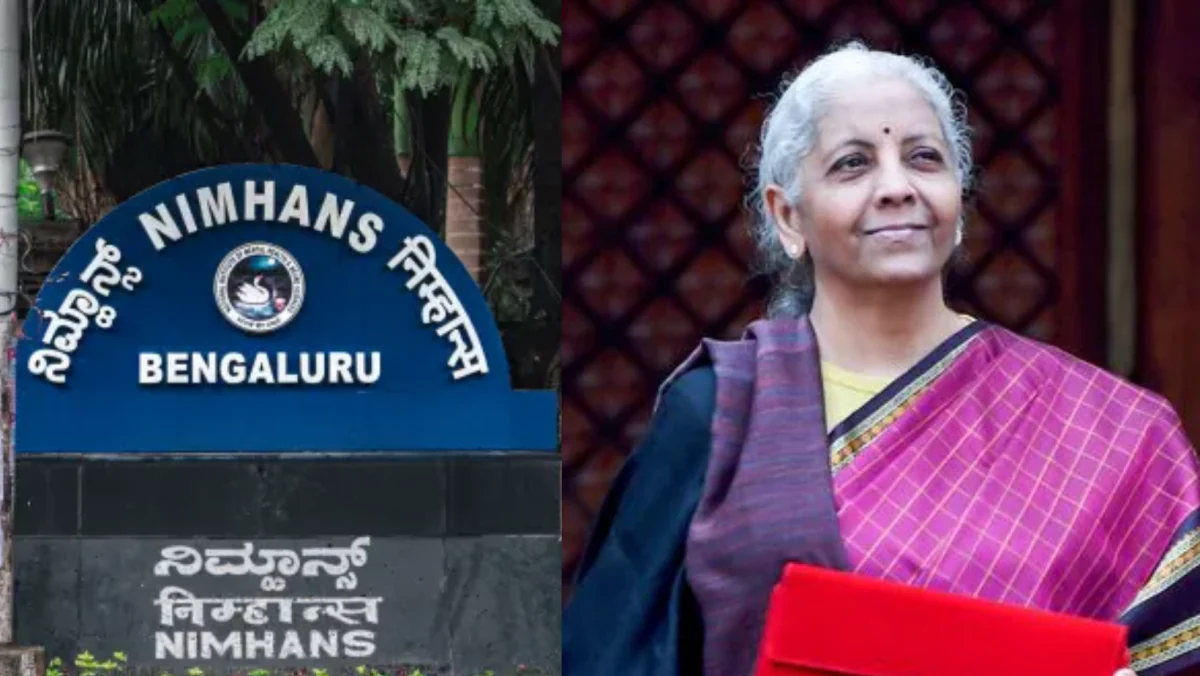
NEW DELHI — In a major move to address India’s growing mental health crisis, the Government of India has significantly expanded the National Mental Health Programme (NMHP) to provide universal and affordable care. Addressing the Rajya Sabha on April 1, 2026, Minister of State Savitri Thakur confirmed that the District Mental Health Programme (DMHP), a key component of the NMHP, is now sanctioned in 767 districts across the country.
Scaling Digital and Primary Care
The cornerstone of this expansion is the integration of mental health into primary healthcare. Over 1.83 lakh Sub Health Centres and Primary Health Centres have been upgraded to Ayushman Arogya Mandirs, where mental health services are now included in standard service packages.
The digital arm, the National Tele Mental Health Programme (Tele-MANAS), has reached a significant milestone, handling approximately 34.34 lakh calls as of March 2026. The service, available in 20 Indian languages, provides 24/7 free counselling and now includes a video consultation facility and the Tele-MANAS Mobile App for broader accessibility.
Infrastructure and Workforce Development
To combat the shortage of specialists, the Union Budget 2026-27 introduced several high-impact initiatives:
- Establishment of NIMHANS-2: A second National Institute of Mental Health and Neuro Sciences will be set up in Northern India, modelled after the Bengaluru institute, to address regional care gaps.
- Regional Apex Institutions: Premier institutes in Ranchi and Tezpur are being upgraded to Regional Apex Institutions to lead specialised care and research.
- Centres of Excellence: The government has sanctioned 25 Centres of Excellence and supported 47 PG Departments in 19 medical colleges to increase the intake of mental health professionals.
- Emergency Care: A 50% expansion in emergency and trauma care capacity in district hospitals has been proposed to provide 24/7 critical psychological support.
Community-Centric Approach
The programme continues to focus on early detection through training for ASHA and ANM workers, particularly for screening postpartum depression during home visits. This decentralized “Bellary Model” emphasizes community participation and reducing the treatment gap, which historically affected over 70% of those in need.
Through these combined efforts, the government aims to create a “Viksit Bharat” where mental well-being is recognized as a core pillar of national productivity and social stability.