

Six-Month Programme Aims to Strengthen Maternal Care in District Hospitals
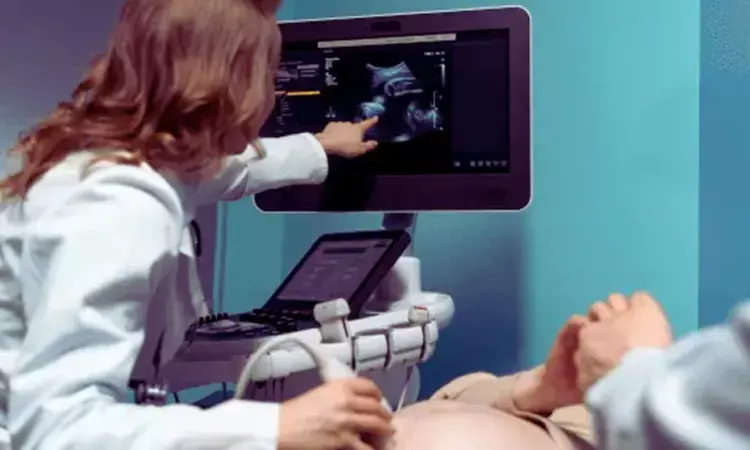
In a significant move to enhance maternal and child health services, the Karnataka government has approved a six-month ultrasonography training programme for in-service MBBS doctors under the State Health Department. The initiative is designed to strengthen diagnostic services at district and taluk-level hospitals, particularly in areas where access to imaging facilities remains limited.
The decision comes against the backdrop of a severe shortage of radiologists in government healthcare facilities. Currently, only 75 radiologists are sanctioned across 189 public health institutions, including 148 taluk hospitals and 41 community health centres (CHCs). To address this gap, the State has also approved the creation of 114 additional radiologist posts.
According to reports, the training programme will be conducted in strict adherence to the PC & PNDT Act and the Pre-Conception and Pre-Natal Diagnostic Techniques (Training) Rules, 2014. The government has clarified that trained MBBS doctors will provide ultrasonography services only within the legal framework, primarily to support maternal diagnostics where radiologists are unavailable.
Eleven hospitals across Karnataka have been designated as training centres for the programme. These include K.C. General Hospital and Jayanagar General Hospital in Bengaluru; Lady Goschen Hospital and Wenlock Hospital in Mangaluru; Chigateri District Hospital in Davanagere; and district hospitals in Chikkaballapur, Dharwad, Tumakuru, Vijayapura, Ballari, Kolar, and Bagalkot.
A total of 69 in-service MBBS doctors will undergo training under the supervision of 23 faculty members, maintaining a teacher-student ratio of 1:3. Eligibility is restricted to doctors currently employed in government service. Upon successful completion of the programme, participants will be required to provide ultrasonography services exclusively in government hospitals.
To ensure that routine healthcare delivery is not disrupted during the training period, district health officers have been directed to appoint contractual doctors to temporarily replace those undergoing training. This step aims to maintain continuity of services while upgrading the skills of existing medical personnel.
In parallel, the Health Department is also rationalising the deployment of specialists under the Mother and Child Health (MCH) triad—gynaecologists, anaesthetists, and paediatricians—across taluk hospitals and CHCs. The goal is to strengthen these facilities as Comprehensive Emergency Obstetric and Newborn Care (CEmONC) centres capable of handling high-risk deliveries, caesarean sections, and neonatal emergencies round the clock.
Health Minister Dinesh Gundu Rao stated that the government is introducing a rotational “double triad” system to ensure 24/7 specialist availability. He noted that this strategy is expected to reduce unnecessary referrals to tertiary hospitals, thereby minimising treatment delays and improving maternal and neonatal outcomes across the State.
