

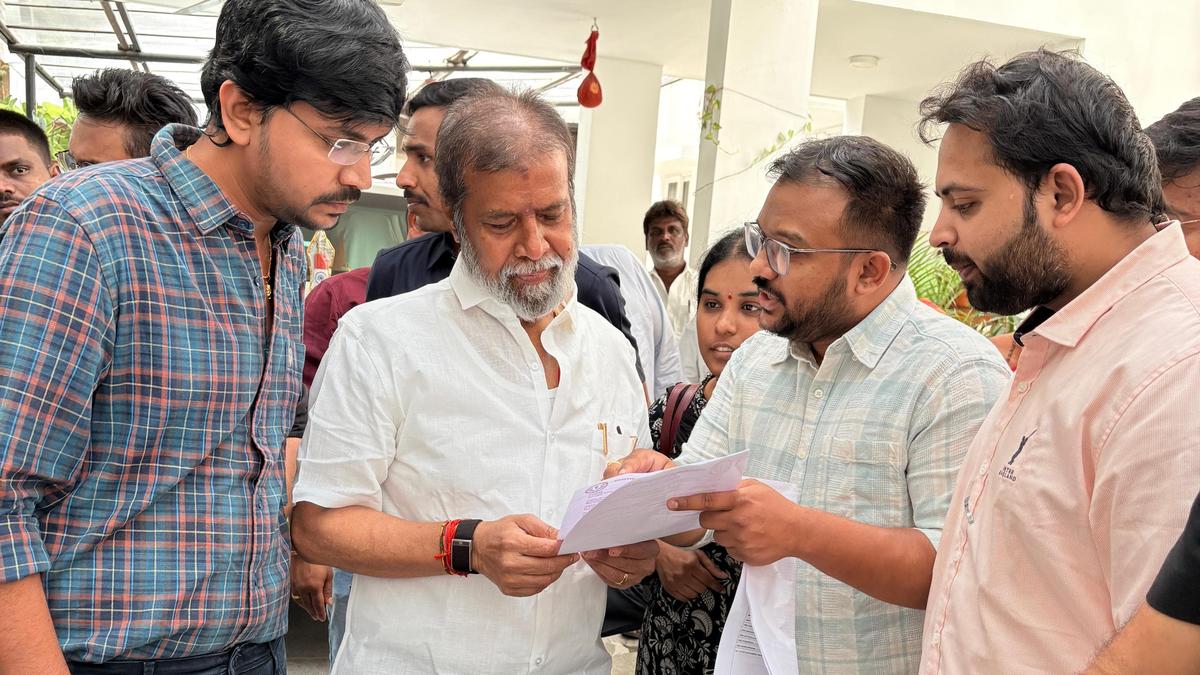
HYDERABAD — The Healthcare Reforms Doctors Association (HRDA) has formally petitioned the Telangana government to introduce a mandatory waiting list system for all ongoing and future medical recruitments. The demand aims to address a severe staffing crisis where nearly 55% of specialist doctor posts in the state’s secondary healthcare system remain unoccupied.
The Core Grievance: Persistent Vacancies
In a representation submitted to Health Minister C. Damodar Raja Narasimha on April 4, 2026, the HRDA highlighted that the current recruitment rules lack a “waiting list” provision. This oversight means that when a selected candidate fails to join, declines a posting, or withdraws after selection, the post remains vacant until a entirely new recruitment cycle is initiated.
- Current Impact: Two major ongoing recruitments—607 Assistant Professor posts and 1,623 Civil Assistant Surgeon (Specialist) posts—are at risk of leaving hundreds of seats unfilled due to candidate “no-shows”.
- Backlog Accumulation: The association noted that out of the 607 current vacancies, 381 are backlogs carried forward from previous years that could have been filled much earlier if a waiting list had existed.
A Systemic Solution
The HRDA argues that implementing a category-wise waiting list, valid for at least one year or until the next notification, would allow for the immediate replacement of non-joining candidates.
- National Precedent: The association pointed out that states like Andhra Pradesh, Tamil Nadu, Kerala, and Maharashtra, as well as central agencies like the UPSC, already utilize reserve lists to ensure optimal staffing.
- Efficiency: Such a reform would reduce the administrative burden of repeated notifications and provide faster employment to eligible aspirants who are next in line.
Public Health Implications
The absence of specialists is felt most acutely in peripheral district and area hospitals. According to reports from The Hindu, this staff shortage compromises patient care and places immense pressure on the few existing doctors, leading to burnout and decreased quality of medical education.
The state government is reportedly reviewing the representation as it prepares to appoint over 800 doctors in the coming week, though experts warn that without policy reforms, the “deep-rooted” vacancy issue will persist.
