Category: Criminal cases

Criminal cases

  • Maharashtra Health Department to Probe Arrested Pune Gynaecologist’s 25-Year Service Record Amid Illegal Abortion Case

    Maharashtra Health Department to Probe Arrested Pune Gynaecologist’s 25-Year Service Record Amid Illegal Abortion Case

    Departmental Inquiry to Run Parallel to Criminal Investigation in Pune Abortion and PCPNDT Cases

    The Maharashtra Public Health Department is preparing to initiate a departmental inquiry against a Pune district gynaecologist who was recently arrested in connection with an alleged illegal abortion racket. The proposed inquiry will examine the doctor’s conduct during nearly 25 years of government service, including allegations of professional misconduct and possible violations of government service rules.

    According to health department officials, the inquiry will review the doctor’s tenure as a medical officer at the Rural Hospital in Yavat and assess whether any irregularities or malpractice occurred during his service period.

    The development comes days after the gynaecologist was arrested by Daund Police on June 7 in connection with an alleged illegal abortion network operating in the region. Authorities have also launched separate criminal investigations into alleged violations of the Medical Termination of Pregnancy (MTP) Act and the Pre-Conception and Pre-Natal Diagnostic Techniques (PCPNDT) Act.

    Voluntary Retirement Request Under Scrutiny

    Officials revealed that the doctor had submitted an application for voluntary retirement on June 5, 2025. However, the state government reportedly did not approve the request. Despite the pending status of his retirement application, the doctor allegedly stopped attending duty and subsequently began private medical practice.

    The circumstances surrounding his departure from government service are expected to form a key part of the departmental investigation.

    Second FIR Registered Against Doctor and Wife

    In a parallel development, a second First Information Report (FIR) was registered against the doctor and his wife at the Uruli Kanchan Police Station on June 11. The case pertains to alleged violations of the Medical Termination of Pregnancy Act at their private hospital.

    Earlier, Pune Rural Police had also registered a separate FIR against the couple for alleged violations of the PCPNDT Act at their healthcare facility in Uruli Kanchan. The legal action followed investigations into suspected unlawful medical practices and alleged sex-selection-related violations.

    State Government Likely to Form Inquiry Committee

    Speaking on the matter, Pune District Civil Surgeon Dr. Nagnath Yempalle stated that the district health administration will recommend a formal departmental inquiry to the Maharashtra Government. Once approved, a committee will be constituted to scrutinize the doctor’s service record and determine whether any professional misconduct or breaches of service regulations took place during his tenure in the public health system.

    Criminal and Departmental Proceedings to Continue Separately

    Health officials clarified that the proposed departmental inquiry will be independent of the ongoing criminal investigations being conducted by Daund Police and Uruli Kanchan Police. While law enforcement agencies continue to investigate allegations linked to illegal abortions and statutory violations, the departmental probe will focus exclusively on the doctor’s conduct as a government employee.

    The case has drawn significant attention across Maharashtra’s healthcare sector, with authorities intensifying scrutiny of alleged violations related to abortion laws, prenatal diagnostic regulations, and public service conduct.
  • AIIMS Bhopal Child Death Case: Two Nursing Officers Booked After Formalin Allegedly Administered Instead of IV Flushing Solution

    AIIMS Bhopal Child Death Case: Two Nursing Officers Booked After Formalin Allegedly Administered Instead of IV Flushing Solution

    Three-Year-Old Blood Cancer Patient Dies Following Alleged Medical Negligence; Internal Probe Leads to FIR

    A tragic case of alleged medical negligence has surfaced at AIIMS Bhopal, where a three-year-old boy undergoing treatment for blood cancer died after reportedly being administered formalin instead of a flushing solution through an intravenous (IV) line. Following an internal investigation by the institute, police have registered an FIR against two nursing officers in connection with the incident.

    According to reports, the child was undergoing treatment for fever while battling B-Cell Acute Lymphoblastic Leukaemia (B-ALL) at the All India Institute of Medical Sciences (AIIMS), Bhopal. The incident reportedly took place in December 2025 but came to light after the hospital’s internal inquiry concluded that serious lapses had occurred in the handling of hazardous chemicals.

    Formalin Syringe Allegedly Left Unattended in Ward

    Investigations revealed that a syringe containing formalin had been prepared for a scheduled bone marrow biopsy procedure. However, after the procedure was postponed, the syringe was allegedly left unattended near the child’s bed instead of being properly secured or disposed of according to safety protocols.

    On December 17, when the child’s IV line became blocked, a nursing officer allegedly mistook the syringe containing formalin for a flushing solution and injected it into the IV line without verifying its contents.

    Father Warned Staff Before Injection, FIR Claims

    The FIR states that the child’s father repeatedly alerted the nursing staff that the syringe did not contain flushing fluid. Despite his warnings, the injection was allegedly administered. Soon after, the child’s condition deteriorated rapidly.

    The boy was immediately shifted to the Paediatric Intensive Care Unit (PICU), where doctors attempted emergency resuscitation. However, the child could not be saved and was declared dead.

    Internal Probe Holds Formalin Administration Responsible

    An internal inquiry conducted by AIIMS Bhopal reportedly found that the administration of formalin directly caused the child’s death. The investigation also highlighted significant lapses in the storage, handling and identification of hazardous substances within the hospital ward.

    Based on the findings, police registered a case against two nursing officers under provisions of the Bharatiya Nyaya Sanhita (BNS) related to causing death by negligence and negligent handling of hazardous substances.

    Nursing Officers Suspended; Police Launch Search

    According to reports, both nursing officers have been suspended pending investigation. Bagsewaniya Police Station In-charge Amit Soni stated that multiple police teams have been deployed to trace the accused, who are currently absconding.

    Police officials are also questioning members of the hospital’s nursing administration to determine the whereabouts of the suspended staff and establish accountability in the incident.

    What Is Formalin?

    Formalin is a solution containing formaldehyde and is widely used in laboratories and hospitals for preserving biological specimens and tissues. The chemical is highly toxic and can cause severe organ damage, shock and death if introduced into the human body.

    The incident has raised serious concerns regarding patient safety protocols, medication verification procedures and the handling of hazardous chemicals within healthcare institutions.

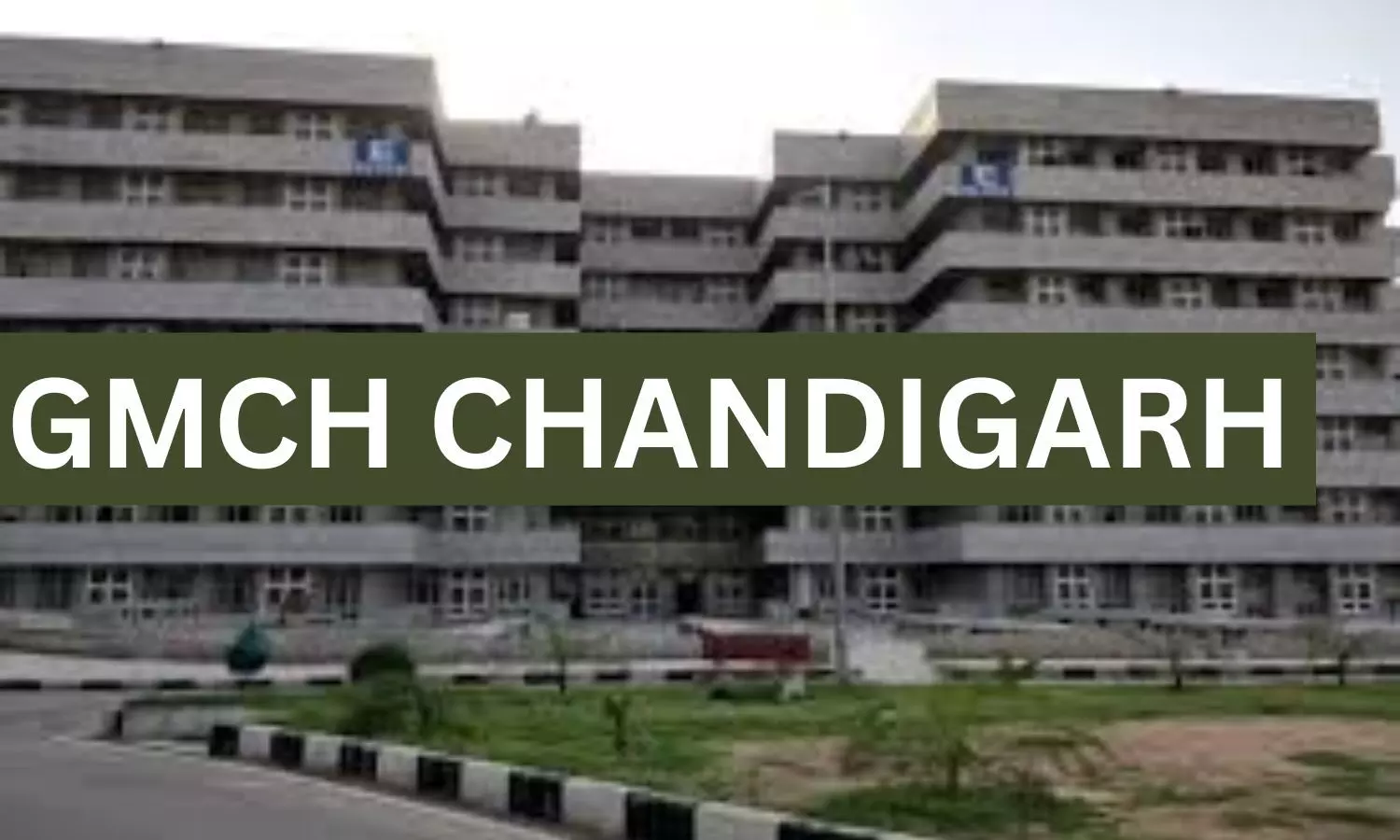
  • Chandigarh Junior Doctor Accused of Stalking Female Colleague, Attempting Hostel Room Intrusion at GMCH-32

    Chandigarh Junior Doctor Accused of Stalking Female Colleague, Attempting Hostel Room Intrusion at GMCH-32

    Safety Concerns Raised After Psychiatry Resident Faces Allegations of Stalking and Harassment

    A junior doctor from the Department of Psychiatry at Government Medical College and Hospital (GMCH), Sector 32, Chandigarh, has been accused of stalking a female colleague, attempting to forcibly enter her hostel room, and engaging in inappropriate behaviour on campus. The incident has sparked serious concerns regarding the safety and security of women resident doctors within the institution.

    According to a complaint submitted through the Head of Department, the accused doctor allegedly entered the women’s hostel on May 18 and May 20 and attempted to forcibly enter the complainant’s room on both occasions. The complainant further alleged that the accused had been persistently stalking her over a prolonged period and had made inappropriate gestures, creating an atmosphere of fear and discomfort.

    Sources told Punjab Newsline that the woman doctor was not present inside the room during the alleged attempts to gain entry. However, the repeated incidents reportedly caused significant distress and prompted concerns among fellow residents.

    Parents Approach Police; Institution Launches Internal Inquiry

    The matter escalated after the victim’s parents approached the police and lodged a formal complaint. Following the complaint, the medical college administration initiated an inquiry and referred the case to the Internal Complaints Committee (ICC) for investigation.

    Confirming the development, Dr Ravneet Kaur, Director Principal of GMCH-32, stated that the ICC conducted a detailed investigation and submitted its report. According to the findings, the accused doctor was reportedly not in a stable state of mind during the period under review and has remained distressed since the incident.

    Counselling and Disciplinary Action Under Consideration

    The administration has adopted a two-pronged approach by ordering mandatory counselling for the accused doctor while simultaneously considering disciplinary measures based on the ICC’s recommendations.

    Officials indicated that counselling would be completed before a final decision is taken regarding punitive action. The institution is also examining measures to strengthen safety protocols for women doctors residing and working on campus.

    Resident Doctors Demand Stronger Safety Measures

    The incident has triggered widespread concern among resident doctors and hospital staff. Several residents have raised questions about hostel security and institutional safeguards designed to protect women healthcare professionals.

    Sources revealed that the ICC held discussions with the families of both doctors to address immediate concerns and assess the broader implications of the case. A batchmate of the complainant alleged that the accused had repeatedly stalked the woman doctor, contributing to an unsafe environment within the medical college campus.

    The case has once again highlighted the need for robust safety mechanisms, effective grievance redressal systems, and strict enforcement of workplace conduct standards in medical institutions across the country.

  • Goa ICU Rape Case: Court Relaxes Bail Conditions, Allows Accused Doctor to Resume DNB Studies at Hospital

    Goa ICU Rape Case: Court Relaxes Bail Conditions, Allows Accused Doctor to Resume DNB Studies at Hospital

    Fast-Track Court Permits Return for Academic Purposes, Imposes Strict Restrictions on Contact with Witnesses

    In a significant development in the alleged ICU rape case that shook Goa’s healthcare sector, a fast-track court in Panaji has relaxed the bail conditions of a doctor accused of sexually assaulting a female patient in the intensive care unit (ICU) of a private hospital, allowing him to return to the institution solely for the purpose of completing his postgraduate medical education.

    The order was passed by Special Court Presiding Officer Pooja Kavlekar, who permitted the accused doctor to attend academic activities related to his Diplomate of National Board (DNB) course in General Medicine. However, the court imposed stringent restrictions and made it clear that the doctor would not be allowed to visit the hospital for any purpose beyond his educational requirements without prior permission from the court.

    The doctor was arrested in May 2025 following allegations that he raped a woman admitted to the ICU of a private hospital in Goa. He was subsequently granted bail in October 2025 with conditions that barred him from entering the hospital premises and prohibited any attempt to influence witnesses connected to the case.

    Seeking relief from these restrictions, the accused approached the court and informed it that he had enrolled in the DNB General Medicine programme at the hospital in 2023. According to his plea, he had been unable to participate in academic sessions since September 2025 due to the bail conditions, placing his medical education at risk.

    The doctor further submitted that he received a show-cause notice from the National Board of Examinations in Medical Sciences (NBEMS) in April 2026, warning that his admission could be cancelled if his absence exceeded one year.

    While considering the application, the court acknowledged the gravity of the allegations and emphasised the need to safeguard the interests of the survivor. At the same time, it observed that the trial was unlikely to conclude in the near future.

    The court noted that the survivor had not yet appeared before the police to record her statement, indicating that the judicial process could take a considerable amount of time before reaching its conclusion. Observing that the matter may take years to be finally adjudicated, the court held that the accused could not be indefinitely prevented from pursuing his educational programme.

    To ensure the integrity of the investigation and trial, the court imposed strict safeguards. The accused has been directed not to establish contact with doctors and nurses named as witnesses in the chargesheet, except where interaction is necessary for professional or academic purposes. The court also prohibited him from tampering with any documents, records, or evidence available at the hospital that may be linked to the case.

    Additionally, the court clarified that after completing his degree and related academic formalities, the accused shall not visit the hospital for any other reason without obtaining prior permission from the court until the case is finally decided.

    The case continues to draw attention from the medical community and legal observers, as it raises critical questions regarding the balance between an accused person’s right to education and the need to protect the integrity of criminal proceedings in cases involving serious allegations of sexual assault within healthcare institutions.

  • MP Govt Launches Statewide Verification Drive After Fake Doctor Racket Exposed in NHM Clinics

    MP Govt Launches Statewide Verification Drive After Fake Doctor Racket Exposed in NHM Clinics

    High-Level Committee Planned to Scrutinise Medical Degrees Across Government Healthcare Facilities

    Bhopal: In the wake of the fake MBBS degree racket linked to Sanjeevani clinics operating under the National Health Mission (NHM), the Madhya Pradesh Health and Medical Education Department has initiated a comprehensive statewide verification drive to examine the credentials of doctors working in government healthcare centres.

    The move comes amid growing concerns following the identification of 12 alleged fake doctors employed at Sanjeevani clinics across nine districts of the state. Authorities have intensified investigations after tracing and arresting the alleged mastermind behind the fake degree network.

    According to official sources, the state government is now preparing to establish a high-level verification committee comprising representatives from the Higher Education Department, the Health and Medical Education Department, and the Madhya Pradesh Medical Council. The committee will be responsible for scrutinising medical degrees, professional certificates, and other credentials submitted by healthcare professionals working in government facilities.

    Verification of Newly Recruited Doctors to Be Made Mandatory

    As part of the strengthened monitoring mechanism, documents of newly recruited medical professionals will undergo mandatory verification before appointment. The government aims to prevent unqualified individuals from entering the public healthcare system and restore confidence in recruitment procedures.

    Currently, the verification of contractual doctors is carried out by Chief Medical and Health Officers (CMHOs) at the district level. However, recent findings have exposed significant gaps in the existing process, as several alleged fake doctors reportedly continued to work for more than a year without detection.

    Health Department Seeks Accountability From District Authorities

    Reports indicate that delays in verification were partly caused by universities failing to respond promptly to requests for degree authentication. In response, the Health Department has issued notices to CMHOs across the state, seeking explanations and directing them to ensure timely verification of credentials.

    The degrees of all contractual doctors, including those serving at Sanjeevani clinics, are currently being examined in a phased manner. Officials believe the ongoing probe may reveal additional cases involving fraudulent medical qualifications.

    NHM Reviews Credentials of 81 Doctors

    The National Health Mission (NHM) has already reviewed the credentials of 81 doctors after three fake practitioners were initially detected in Damoh district. Following these findings, authorities have expanded the investigation and intensified scrutiny across multiple districts.

    The verification drive is expected to strengthen regulatory oversight, enhance patient safety, and ensure that only qualified and duly certified medical professionals are permitted to practice in government healthcare institutions across Madhya Pradesh.

    Crackdown Aims to Protect Public Health

    The state’s latest initiative highlights growing concerns over fraudulent medical practitioners and underscores the government’s commitment to maintaining standards in healthcare delivery. With investigations ongoing, health authorities are focusing on identifying irregularities, improving verification mechanisms, and preventing future instances of fake doctors entering the public healthcare system.

  • Cadaver Remark Row: Medical Fraternity Condemns MBBS Student’s Comments, FIR Registered in Maharashtra

    Cadaver Remark Row: Medical Fraternity Condemns MBBS Student’s Comments, FIR Registered in Maharashtra

    Medical associations, doctors, and medical students across India have strongly condemned controversial remarks allegedly made by an MBBS student from KEM Hospital during a comedy show in Gurugram, triggering a nationwide debate on medical ethics, respect for body donors, and professional conduct.

    The controversy erupted during a crowd interaction segment at comedian Pranit More’s show, where the student allegedly made inappropriate comments about male cadavers while responding to a question related to anatomy postings and post-mortem work. A video of the exchange quickly went viral on social media, drawing sharp criticism from members of the medical fraternity and the public.

    Medical professionals emphasized that cadavers are regarded with immense respect in medical institutions because they are donated bodies that play a vital role in teaching human anatomy to future doctors. Doctors and medical students argued that such remarks undermine the dignity of body donors and could adversely affect public confidence in body donation programs.

    As criticism intensified online, the student reportedly issued a public apology on social media, acknowledging the sensitivity of the subject and admitting that the remarks were inappropriate and conveyed a message that was never intended.

    Meanwhile, Maharashtra Cyber has registered an FIR in connection with the case and summoned the student for questioning. Authorities are expected to record statements as part of the ongoing investigation.

    KEM Hospital Orders Inquiry

    Reacting to the controversy, KEM Hospital Dean Dr. Harish Pathak said the institution takes the matter seriously and has initiated an internal inquiry.

    “Yesterday, we came to know through social media that a video is being circulated in which one of our students is seen making objectionable comments about dead bodies. It is highly unacceptable. We are very sensitive about respect for the dead, especially as bodies are donated with great emotional commitment for medical education. A two-member committee has been constituted to investigate the matter, and appropriate action will be taken based on its findings,” he stated.

    KEM MARD Distances Itself from Student’s Remarks

    The Maharashtra Association of Resident Doctors (MARD), KEM Hospital, clarified that the individual involved is an MBBS undergraduate student and not a member of KEM MARD.

    In an official statement, the association reaffirmed its commitment to professionalism, ethical conduct, and respect for body donors. The organization described the comments as inappropriate and inconsistent with the values expected from medical professionals.

    At the same time, MARD appealed for balanced public discourse, noting that while accountability is necessary, personal attacks, online abuse, and harassment are not constructive. The association also criticized attempts to link the controversy to the student’s admission through reservation policies, calling such discussions irrelevant and unfair.

    Doctors Call for Respect Toward Body Donors

    Several medical leaders condemned the remarks while urging the public to maintain perspective following the student’s apology.

    Dr. Amar Agame, Chief Adviser at KEM MARD, stated that respect for body donors is a cornerstone of medical education and that the comments do not reflect the values of the medical fraternity.

    Dr. Suyash Dhavane, Central MARD Advisor, described the joke as completely inappropriate but noted that the student had apologized and sought forgiveness. He urged people to focus on learning from the incident rather than perpetuating hostility.

    FAIMA Seeks Stricter Rules on Medical Content

    The Federation of All India Medical Association (FAIMA) also condemned the remarks, emphasizing that cadavers are considered the first teachers of medical students.

    FAIMA National Chairman Dr. Jaideep Kumar Choudhary said that disrespectful comments about cadavers violate medical ethics and called for stricter regulations governing the circulation of photographs and videos related to surgeries, autopsies, dissections, and patients in healthcare settings across social media platforms.

    UDF Moves Human Rights Commission

    The United Doctors Front (UDF) has submitted a Public Interest Representation to the National Human Rights Commission (NHRC), urging the Commission to take suo motu cognizance of the matter.

    UDF Chairperson Dr. Lakshya Mittal stated that the representation focuses on broader concerns regarding platform responsibility and the commercialisation of content that may undermine human dignity. The organization argued that trivialising or sexualising cadavers could discourage body donation and weaken public trust in government-led awareness campaigns promoting organ and body donation.

    AIMSA Demands Strict Action

    The All India Medical Students’ Association (AIMSA) strongly condemned the portrayal of cadavers in the viral content and demanded an immediate public apology and strict action against those responsible.

    The association highlighted that every cadaver represents a selfless contribution to medical science and education. AIMSA warned that if appropriate action is not taken, it may pursue legal remedies to ensure accountability.

    Medical Community Reiterates Ethical Responsibilities

    Adding to the criticism, the Democratic Medical Association (DMA) stated that cadavers are the first teachers of every doctor and should never be treated as subjects of entertainment. The organization urged authorities to examine the matter and take suitable action.

    The incident has sparked a wider conversation about medical ethics, professional responsibility, content creation boundaries, and the importance of preserving public trust in body donation programs that remain essential for medical education across India.

  • Jaipur Doctor Duped of Rs 24 Lakh in ‘Digital Arrest’ Scam; Kazakhstan-Returned MBBS Graduate Among Two Arrested

    Jaipur Doctor Duped of Rs 24 Lakh in ‘Digital Arrest’ Scam; Kazakhstan-Returned MBBS Graduate Among Two Arrested

    Cyber Fraud Network Used Fake Identities, Rented Bank Accounts and Cryptocurrency to Launder Money, Say Police

    A Jaipur-based doctor was allegedly cheated of Rs 24 lakh in a sophisticated “digital arrest” cyber fraud scam, prompting a major investigation that led to the arrest of a Kazakhstan-returned MBBS graduate and another accused allegedly linked to the racket.

    According to Deputy Commissioner of Police (South) Rajarshi Raj, the victim received threatening WhatsApp calls and messages on December 15, 2025. The fraudsters allegedly claimed that she and her family members would be placed under “digital arrest” and subjected to legal action unless she complied with their demands. Acting under fear and pressure, the doctor transferred Rs 24 lakh through RTGS on December 19.

    Following the complaint, Jaipur Police registered a case and launched a coordinated investigation involving the Shyam Nagar Police Station, the District Special Team (DST), and the cyber cell.

    During the probe, investigators identified the involvement of a Kazakhstan-returned MBBS graduate, who was allegedly a close associate of the main accused. Police said both individuals had studied medicine together in Kazakhstan. The second accused allegedly played a key role in arranging bank accounts used to receive and move fraud proceeds.

    Investigators further alleged that the main accused operated from multiple rented accommodations across Jaipur and used forged Aadhaar cards carrying fake identities and addresses to open bank accounts. These accounts were then allegedly used to facilitate cyber fraud activities and conceal financial transactions.

    According to police officials, the accused and his associates rented bank accounts from individuals across various states, routed fraud money through those accounts, and quickly withdrew the funds using ATMs and bank visits to avoid detection. The investigation also revealed that the gang allegedly exploited foreign MBBS students whose bank accounts remained operational internationally, making it easier to transfer and move funds.

    Police further claimed that the accused converted cash deposits into cryptocurrency, particularly USDT, which was later sold through online platforms and transferred across multiple accounts to obscure the money trail and complicate financial tracking.

    During the operation, law enforcement authorities seized 32 ATM cards, 12 cheque books, nine passbooks, eight SIM cards, two rubber stamps, five mobile phones, and Rs 1.27 lakh in cash.

    Officials stated that more than 100 complaints linked to the accused have been registered on the National Cyber Crime Reporting Portal from different states across India. Investigators are now working to identify additional members of the network and trace the complete flow of funds involved in the alleged cyber fraud operation.

    The case has once again highlighted the growing threat posed by “digital arrest” scams, where fraudsters impersonate law enforcement or government officials to intimidate victims into transferring large sums of money.

  • Resident Doctor Assaulted by Patient Attendants at Hyderabad’s Niloufer Hospital, Medical Fraternity Demands Stronger Security

    Resident Doctor Assaulted by Patient Attendants at Hyderabad’s Niloufer Hospital, Medical Fraternity Demands Stronger Security

    PG Resident Doctor Allegedly Attacked Inside Restricted ICU Area; Doctors’ Associations Call for Immediate Legal Action

    A serious incident of violence against a healthcare worker has sparked outrage across the medical community after a second-year postgraduate (PG) resident doctor at Niloufer Hospital in Hyderabad was allegedly assaulted by patient attendants while performing duties in the Respiratory Intensive Care Unit (RICU).

    According to the Telangana Junior Doctors Association (T-JUDA), the incident took place after a child who had been shifted from the Respiratory Intensive Care Unit to an isolation ward during the recovery phase began crying excessively. Earlier on June 7, the duty doctor had examined the child and thoroughly counselled family members regarding the patient’s condition and treatment plan.

    Despite being informed about the child’s medical status, five attendants, including two men and three women, allegedly entered the restricted RICU area without authorization. Although the child was reportedly experiencing only minor discomfort, the resident doctor decided to move the patient back to the RICU as a precautionary measure to ensure closer observation and enhanced patient safety.

    Following the transfer, the doctor requested the attendants to leave the restricted care area and allowed only the child’s mother to remain, in accordance with standard ICU protocols. However, instead of complying with the instructions, the attendants allegedly assaulted the resident doctor inside the hospital premises, T-JUDA representatives claimed.

    The incident has triggered widespread condemnation from doctors’ associations across India. Dr Mohammad Momin Khan, National Spokesperson of FAIMA India, strongly condemned the attack in a post on social media platform X, stating that violence against doctors directly impacts the healthcare system and patient care.

    Meanwhile, the Osmania Junior Doctors Association (OJDA) raised concerns regarding emergency response mechanisms within the hospital. The association alleged that doctors on duty were unable to immediately contact law enforcement authorities because the Resident Medical Officer (RMO) helpline was reportedly not functioning at the time of the incident.

    The Healthcare Reforms Doctors Association (HRDA), Telangana, also condemned the assault, emphasizing that the resident doctor acted solely in the interest of patient safety and followed established ICU guidelines. The organization described the attack as unacceptable and demanded strict action against those responsible.

    The Telangana Senior Resident Doctors Association (TSRDA) echoed similar concerns and called for enhanced security arrangements in government hospitals. The association urged authorities to deploy Special Protection Force (SPF) personnel at strategic locations within major healthcare institutions to prevent violence against healthcare workers and ensure rapid intervention during emergencies.

    Following the alleged assault, junior doctors have demanded the immediate registration of a criminal case against the accused attendants. Medical associations have also sought stringent legal action under existing laws designed to protect healthcare professionals from workplace violence.

    The incident has once again highlighted the growing concerns surrounding the safety and security of doctors in hospitals, with healthcare organizations urging governments and hospital administrations to implement stronger protective measures to safeguard medical professionals while they deliver critical patient care.

  • Fake FMG Certificate Scam in Rajasthan: SOG Arrests Three Foreign Medical Graduates in ₹74 Lakh Fraud CaseForeign Medical Graduates Allegedly Used Forged Certificates to Secure Internships and Medical Registration; Widening Probe Uncovers Large Racket

    Fake FMG Certificate Scam in Rajasthan: SOG Arrests Three Foreign Medical Graduates in ₹74 Lakh Fraud CaseForeign Medical Graduates Allegedly Used Forged Certificates to Secure Internships and Medical Registration; Widening Probe Uncovers Large Racket

    Rajasthan FMG Scam: Three Doctors Arrested for Using Fake Screening Certificates
    The Special Operations Group (SOG) of Rajasthan Police has arrested three foreign medical graduates who allegedly paid ₹74 lakh to obtain forged Foreign Medical Graduate (FMG) screening examination certificates. The accused reportedly used these fake documents to secure internships in government medical colleges and obtain registration with the Rajasthan Medical Council (RMC), according to investigators.

    Foreign Medical Graduates From Kazakhstan Failed FMG Exam, Used Fake Certificates
    The arrested individuals, aged between 28 and 30 years, are residents of Chomu, Deeg, and Kathumar in Alwar district. Officials said all three had completed their MBBS degrees in Kazakhstan but failed to clear the mandatory FMG screening examination required to practice medicine in India. Instead of retaking the exam, they allegedly approached an organised network that provided forged certificates in exchange for large sums of money.

    ₹74 Lakh Paid for Forged FMG Certificates; Internships Secured in Government Hospitals
    According to SOG findings, one accused paid ₹24 lakh and later secured an internship at the Government Medical College in Dausa. Another allegedly paid ₹23 lakh and completed an internship at Government Medical College, Alwar, and is suspected of helping others obtain fake certificates. The third accused reportedly paid ₹27 lakh and obtained an internship at Government Medical College, Hanumangarh using similar fraudulent documentation.

    Wider Fake Medical Registration Racket Under Investigation in Rajasthan
    Investigators believe the case is part of a larger organised racket involving middlemen, foreign medical graduates, and possible involvement of officials linked to the Rajasthan Medical Council. The SOG has reportedly identified over 100 doctors who may have used forged FMG certificates for internships and registration.

    Multiple Arrests Made, Former Officials Also Under Scanner
    The investigation has already led to the arrest of a former RMC registrar, a UDC, an LDC, the alleged mastermind of the network, and several foreign medical graduates. Authorities say the mastermind charged between ₹20 lakh and ₹30 lakh per candidate for arranging fake certificates and facilitating registrations.

    Court Observations Highlight Threat to Medical Exam Integrity
    Earlier, the Rajasthan High Court refused bail to accused medical graduates in related cases, observing that such fraud undermines the sanctity of competitive examinations and unfairly disadvantages meritorious candidates who follow legal procedures.

    SOG Continues Investigation Into Large-Scale FMG Certificate Fraud Network
    Inspector General (SOG) Ajay Pal Lamba confirmed that the probe is ongoing and further arrests are likely as investigators trace the full extent of the network and its beneficiaries across the state.

  • Fake Doctor Booked Again in Assam for Allegedly Continuing Illegal Medical Practice After Bail

    Fake Doctor Booked Again in Assam for Allegedly Continuing Illegal Medical Practice After Bail

    Authorities Invoke BNS, NMC Act, and Assam Medical Council Act; Investigation Underway

    A man previously arrested for impersonating a qualified medical practitioner and illegally practicing medicine in Assam has once again been booked after authorities alleged that he continued treating patients despite legal action and conditions imposed during his release on bail.

    According to reports, the Pragjyotishpur Police Station has registered a fresh case against the accused under Sections 125, 234, 272, 318(4), 319(2), and 340(2) of the Bharatiya Nyaya Sanhita (BNS). The case also includes provisions under Section 34 of the National Medical Commission (NMC) Act, 2019, and Section 28 of the Assam Medical Council Act, 1989.

    Complaint Filed by Anti-Quackery and Vigilance Officer

    The complaint was lodged by the Anti-Quackery and Vigilance Officer of the Assam Council of Medical Registration (ACMR), operating under the Government of Assam. Authorities alleged that the accused was running a clinic, examining patients, prescribing medicines, and presenting himself as a qualified medical practitioner despite lacking recognized medical qualifications and valid registration.

    Officials stated that the accused was neither registered with the Assam Council of Medical Registration nor authorized by the National Medical Commission (NMC) to practice allopathic medicine.

    Accused Previously Arrested in 2023

    The latest case comes after the accused was arrested in 2023 on similar allegations of impersonating a doctor and illegally practicing medicine. He was subsequently granted bail by the Gauhati High Court.

    However, ACMR officials have alleged that despite repeated warnings and earlier legal proceedings, the accused continued to engage in medical practice, potentially violating the conditions attached to his release.

    Investigation to Examine Medical Records and Prescriptions

    Police have launched an investigation into the matter and are expected to scrutinize medical records, prescriptions, promotional materials, patient-related documents, and other evidence linked to the accused’s alleged activities.

    Investigators will also examine whether the accused continued to represent himself as a registered medical professional and whether patients were misled regarding his qualifications.

    Authorities Cite Public Health Concerns

    Health authorities have expressed concern over the potential risks posed by unqualified individuals providing medical treatment. Officials stated that patients may unknowingly rely on practitioners who lack the necessary education, training, and regulatory approval, putting public health and safety at risk.

    The case highlights ongoing efforts by regulatory bodies and law enforcement agencies in Assam to curb quackery and unauthorized medical practice, which continue to remain major concerns in the healthcare sector.

    Crackdown on Illegal Medical Practice Continues

    The fresh action against the accused underscores the state’s continued crackdown on fake doctors and unauthorized healthcare providers. Authorities have reiterated that practicing medicine without valid qualifications and registration is a serious offense that can endanger lives and attract strict legal consequences.