

Advanced Training Underway; First Surgery Likely Within a Year
In a landmark development, All India Institute of Medical Sciences, New Delhi has become the first health institution in India to launch a dedicated face transplant programme. Officials said the institute is preparing to perform the country’s first face transplant surgery within the next year.
The Department of Plastic, Reconstructive and Burns Surgery has begun setting up a registry of patients suffering from severe facial deformities along with loss of essential functions such as breathing, mouth opening and blinking. These are patients who have not benefitted despite undergoing multiple corrective surgeries.
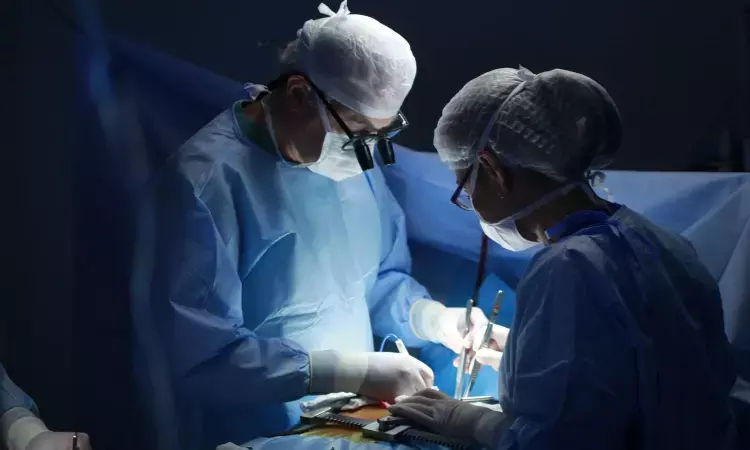
As part of the preparations, the department organised an intensive cadaveric workshop and academic training programme at the Burns and Plastic Surgery Block. During the workshop, facial skin was harvested from a brain-dead donor to facilitate hands-on surgical training and simulation exercises.
To strengthen expertise, AIIMS invited Dr Indranil Sinha, Associate Chief of Plastic Surgery at Brigham and Women’s Hospital, affiliated with Harvard Medical School. An internationally recognised expert in composite tissue allotransplantation, Dr Sinha expressed support for the initiative and lauded the institute’s infrastructure and skill set as being at par with global standards.
The programme is being led by Dr Maneesh Singhal, Head of the Department of Plastic, Reconstructive and Burns Surgery, along with faculty members including Dr Shashank Chauhan, Dr Raja Tiwari, Dr Rajkumar Manas, Dr Shivangi Saha and Dr Aparna Sinha. The training involved interdisciplinary collaboration with departments such as ENT, Maxillofacial Surgery, Nephrology, Immunology, Pathology, Psychiatry, Critical Care, Anatomy and the Organ Retrieval Banking Organisation (ORBO).
Dr Singhal highlighted that many patients with devastating facial injuries due to acid burns, gunshot wounds and trauma continue to suffer even after 10 to 12 surgeries. He stressed that identifying the right candidates and ensuring thorough counselling is critical, as unmotivated or medically unstable patients are not suitable for transplantation. He emphasised that face transplantation is no longer experimental but a necessary step toward holistic functional and aesthetic rehabilitation.
Dr Dipankar Bhowmick, Head of Nephrology at AIIMS, underlined the crucial role of lifelong immunosuppressive therapy in preventing graft rejection. He noted that the institute has the required infrastructure to manage both short-term and long-term immunological risks, ensuring optimal outcomes for transplant recipients.
The Psychiatry Department, represented by Dr Preethy K, also highlighted the importance of psychological evaluation, counselling and rehabilitation throughout the transplant journey. Dr Singhal reiterated that structured training, ethical preparedness and multidisciplinary coordination are essential before undertaking such complex procedures, adding that AIIMS is planning academic collaboration with Harvard Medical School to further strengthen the programme.
