Three-Year-Old Blood Cancer Patient Dies Following Alleged Medical Negligence; Internal Probe Leads to FIR
A tragic case of alleged medical negligence has surfaced at AIIMS Bhopal, where a three-year-old boy undergoing treatment for blood cancer died after reportedly being administered formalin instead of a flushing solution through an intravenous (IV) line. Following an internal investigation by the institute, police have registered an FIR against two nursing officers in connection with the incident.
According to reports, the child was undergoing treatment for fever while battling B-Cell Acute Lymphoblastic Leukaemia (B-ALL) at the All India Institute of Medical Sciences (AIIMS), Bhopal. The incident reportedly took place in December 2025 but came to light after the hospital’s internal inquiry concluded that serious lapses had occurred in the handling of hazardous chemicals.
Formalin Syringe Allegedly Left Unattended in Ward
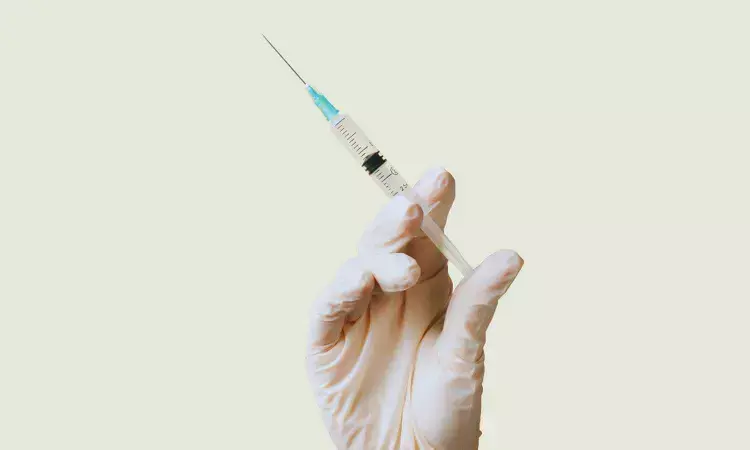
Investigations revealed that a syringe containing formalin had been prepared for a scheduled bone marrow biopsy procedure. However, after the procedure was postponed, the syringe was allegedly left unattended near the child’s bed instead of being properly secured or disposed of according to safety protocols.
On December 17, when the child’s IV line became blocked, a nursing officer allegedly mistook the syringe containing formalin for a flushing solution and injected it into the IV line without verifying its contents.
Father Warned Staff Before Injection, FIR Claims
The FIR states that the child’s father repeatedly alerted the nursing staff that the syringe did not contain flushing fluid. Despite his warnings, the injection was allegedly administered. Soon after, the child’s condition deteriorated rapidly.
The boy was immediately shifted to the Paediatric Intensive Care Unit (PICU), where doctors attempted emergency resuscitation. However, the child could not be saved and was declared dead.
Internal Probe Holds Formalin Administration Responsible
An internal inquiry conducted by AIIMS Bhopal reportedly found that the administration of formalin directly caused the child’s death. The investigation also highlighted significant lapses in the storage, handling and identification of hazardous substances within the hospital ward.
Based on the findings, police registered a case against two nursing officers under provisions of the Bharatiya Nyaya Sanhita (BNS) related to causing death by negligence and negligent handling of hazardous substances.
Nursing Officers Suspended; Police Launch Search
According to reports, both nursing officers have been suspended pending investigation. Bagsewaniya Police Station In-charge Amit Soni stated that multiple police teams have been deployed to trace the accused, who are currently absconding.
Police officials are also questioning members of the hospital’s nursing administration to determine the whereabouts of the suspended staff and establish accountability in the incident.
What Is Formalin?
Formalin is a solution containing formaldehyde and is widely used in laboratories and hospitals for preserving biological specimens and tissues. The chemical is highly toxic and can cause severe organ damage, shock and death if introduced into the human body.
The incident has raised serious concerns regarding patient safety protocols, medication verification procedures and the handling of hazardous chemicals within healthcare institutions.