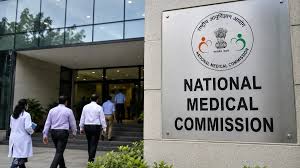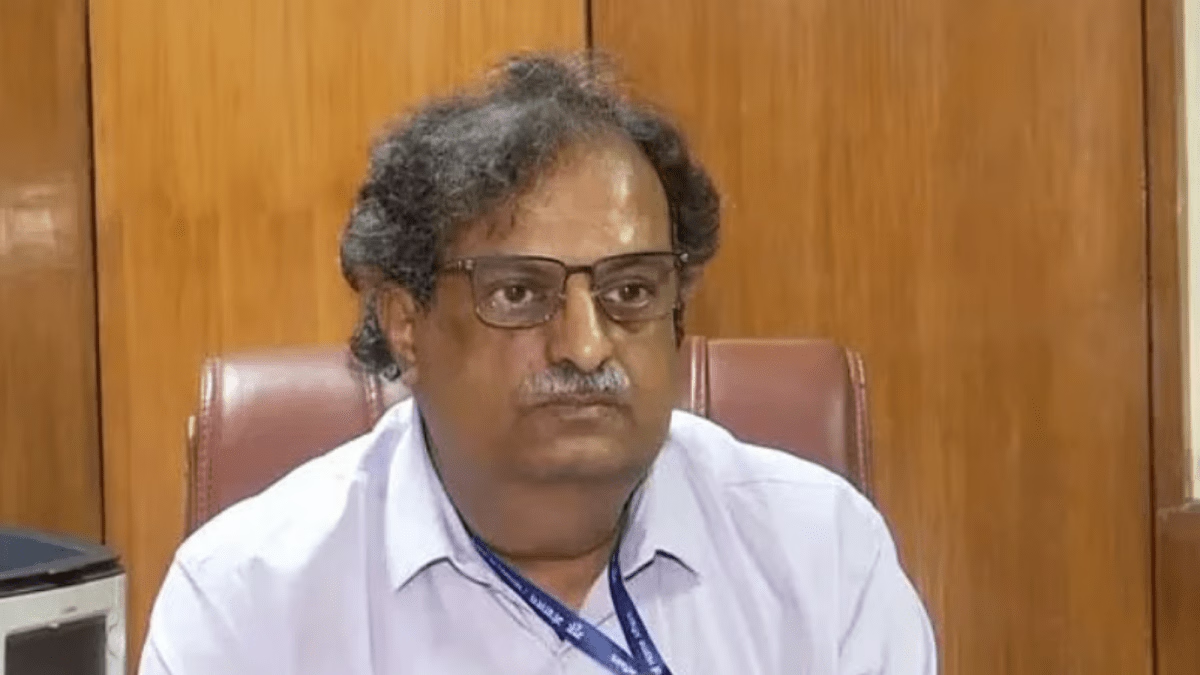
New Delhi – Artificial Intelligence is rapidly emerging as a transformative force in India’s healthcare sector, and the country’s medical education system must urgently adapt to prepare future doctors for responsible AI usage, National Medical Commission (NMC) Chairperson Dr. Abhijat Sheth has said.
Addressing a national conference on artificial intelligence in healthcare held in New Delhi, Dr. Sheth emphasized that AI is no longer a futuristic concept but has already become a part of the clinical environment. He warned that if medical education continues within only traditional frameworks, a major gap could arise between what doctors learn in classrooms and what they encounter in modern hospitals and healthcare institutions.
The conference brought together policymakers, healthcare professionals, researchers, medical educators, and technology experts to deliberate on the growing role of AI in diagnosis, treatment planning, hospital administration, medical research, and patient care. Discussions largely focused on balancing technological innovation with ethical and safe clinical practices.
Dr. Sheth underlined that artificial intelligence should complement doctors rather than replace them. According to him, the human judgment, empathy, ethical responsibility, and clinical experience of medical professionals cannot be substituted by machines. However, AI can significantly improve efficiency, support decision-making, enhance diagnostic accuracy, and reduce the burden on healthcare systems if used responsibly.
He stressed that the medical profession must prepare itself for a future where AI tools will become commonplace in hospitals, laboratories, and medical institutions. The NMC chief noted that healthcare professionals should be trained not only to operate AI-based systems but also to critically evaluate their outputs, understand their limitations, and ensure patient safety while using them.
The growing use of AI in radiology, pathology, predictive diagnostics, robotic surgeries, and patient monitoring systems has already demonstrated the technology’s potential in improving healthcare delivery worldwide. Experts at the conference observed that AI-powered tools can assist doctors in identifying diseases earlier, managing large volumes of medical data, and improving treatment outcomes. However, they also highlighted concerns over data privacy, algorithmic bias, ethical accountability, and overdependence on technology.
Speakers at the event emphasized that medical students and practitioners must develop “AI literacy” alongside traditional clinical training. This includes understanding how algorithms work, recognizing possible errors or biases in AI-generated recommendations, and maintaining accountability for final clinical decisions.
The conference also discussed the importance of structured training programs and awareness campaigns for doctors. Experts pointed out that India, with its large population and uneven healthcare infrastructure, could benefit immensely from AI-driven healthcare solutions, particularly in remote and underserved regions where access to specialist care remains limited.
Several participants highlighted that AI can help bridge healthcare gaps by supporting telemedicine, digital diagnostics, and remote patient monitoring. At the same time, they cautioned that unchecked or unregulated use of AI tools could create serious risks, including inaccurate diagnoses, privacy breaches, and reduced trust in medical systems.
The NMC chairperson’s remarks come at a time when governments and healthcare institutions across the world are increasingly investing in AI-enabled medical technologies. India has also begun introducing AI-focused educational initiatives for medical professionals and students to ensure that the country’s healthcare workforce remains prepared for technological advancements.
Experts believe that integrating AI into medical education curricula will become essential in the coming years. Medical colleges may increasingly include modules on digital healthcare, machine learning applications, ethical AI use, and technology-assisted clinical decision-making as part of undergraduate and postgraduate training.
Healthcare analysts say the challenge before regulators and educators is to ensure that technology strengthens medical practice without undermining the doctor-patient relationship. While AI can process vast amounts of information quickly, the responsibility for treatment decisions and patient care must continue to rest with trained medical professionals.
The conference concluded with a broad consensus that AI is set to play a defining role in the future of healthcare, but its success will depend on how responsibly and ethically it is adopted. Medical experts agreed that preparing doctors to work effectively alongside AI systems will be crucial for ensuring safe, accessible, and high-quality healthcare in the years ahead.