

Government Removes ‘Syrups’ from Schedule K of Drugs Rules, 1945; OTC Sale Exemptions Withdrawn
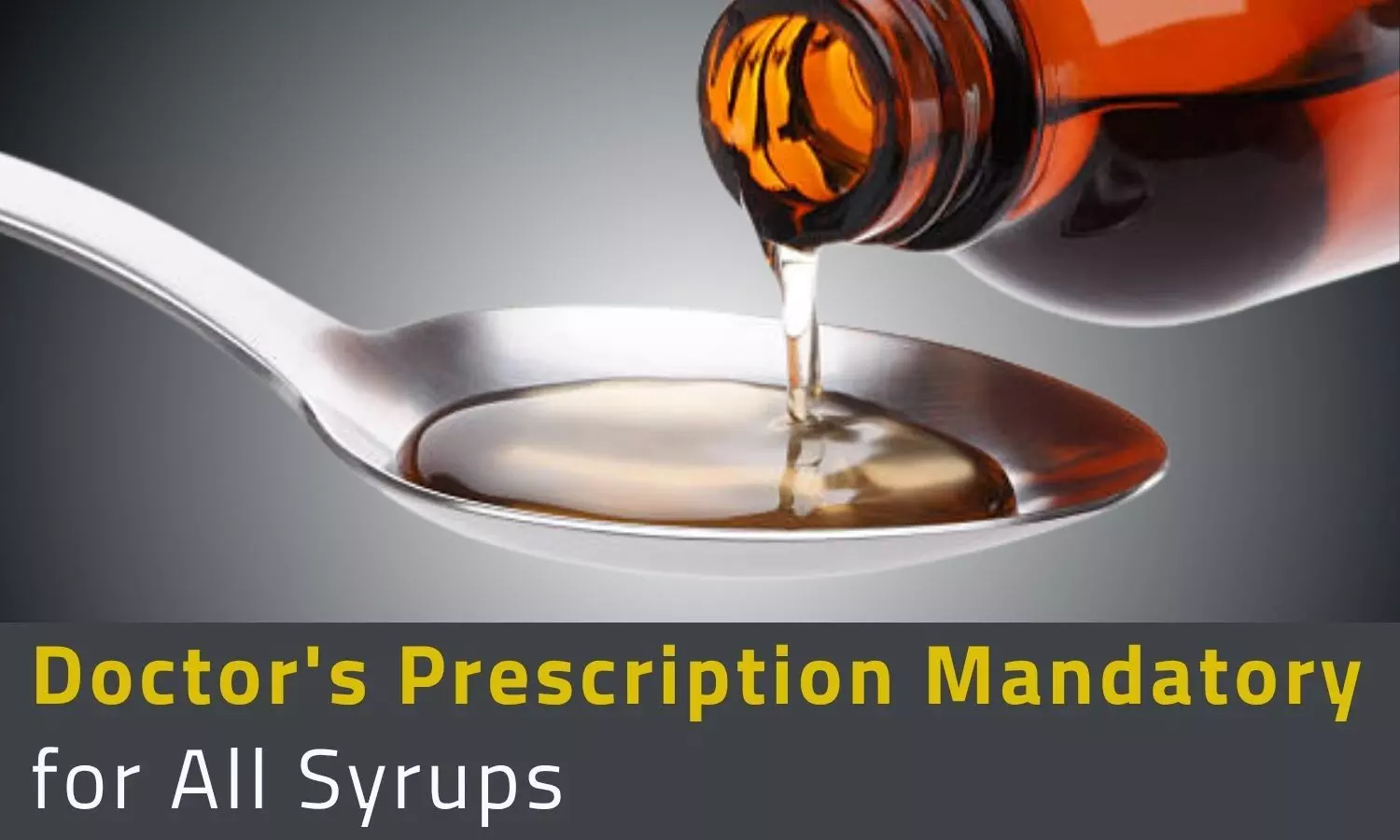
In a major regulatory move aimed at strengthening drug safety and protecting public health, the Central Government has amended the Drugs Rules, 1945, making it mandatory for consumers to obtain a doctor’s prescription before purchasing cough syrups and other medicinal syrups from pharmacies. The amendment comes into effect immediately following its publication in the Official Gazette.
The Department of Health and Family Welfare issued a notification on June 9, 2026, implementing the Drugs (Fifth Amendment) Rules, 2026 after reviewing objections and suggestions received from stakeholders on a draft proposal published in December 2025.
Removal of ‘Syrups’ from Schedule K
The amendment removes the word “Syrups” from Schedule K of the Drugs Rules, 1945. Schedule K lists categories of drugs that are exempt from certain provisions related to manufacture, sale, and distribution under the Drugs and Cosmetics Act, 1940.
Under Rule 123 of the Drugs Rules, drugs specified in Schedule K enjoy regulatory exemptions subject to prescribed conditions. With the removal of “Syrups” from the schedule, these products will now be subject to stricter regulatory oversight, including prescription requirements for their sale.
The Gazette notification stated that the amendment was introduced after considering public feedback and following consultation with the Drugs Technical Advisory Board (DTAB).
What the Amendment Says
The notification specifies that in Schedule K, against serial number 13, item number (7), the word “Syrups” has been omitted. The revised rules came into force from the date of their publication in the Official Gazette.
The move is expected to impact the sale of various medicinal syrups, including cough syrups, which were previously available with fewer regulatory restrictions.
Decision Linked to Drug Safety Concerns
The Government’s decision follows growing concerns over the safety of paediatric liquid formulations and a series of incidents involving contaminated cough syrups.
In 2025, several children reportedly died or suffered severe health complications after consuming certain cough syrup formulations. One of the most notable cases involved the cough syrup brand Coldrif in Madhya Pradesh, where laboratory investigations allegedly detected dangerously high levels of diethylene glycol (DEG), a toxic industrial solvent associated with acute kidney failure.
Regulatory Focus on Paediatric Formulations
Amid increasing concerns over excipient safety in children’s medicines, the Central Drugs Standard Control Organisation (CDSCO) recently initiated consultations with pharmaceutical manufacturers regarding the continued use of potentially harmful solvents in paediatric oral liquid formulations.
Regulators have expressed concern over substances such as propylene glycol and the risk of contamination with toxic impurities including diethylene glycol (DEG) and ethylene glycol (EG), both of which have been linked to serious adverse health outcomes.
The latest amendment is expected to strengthen oversight of medicinal syrups, improve patient safety, and reduce the risk of misuse or exposure to contaminated formulations, particularly among children.
