

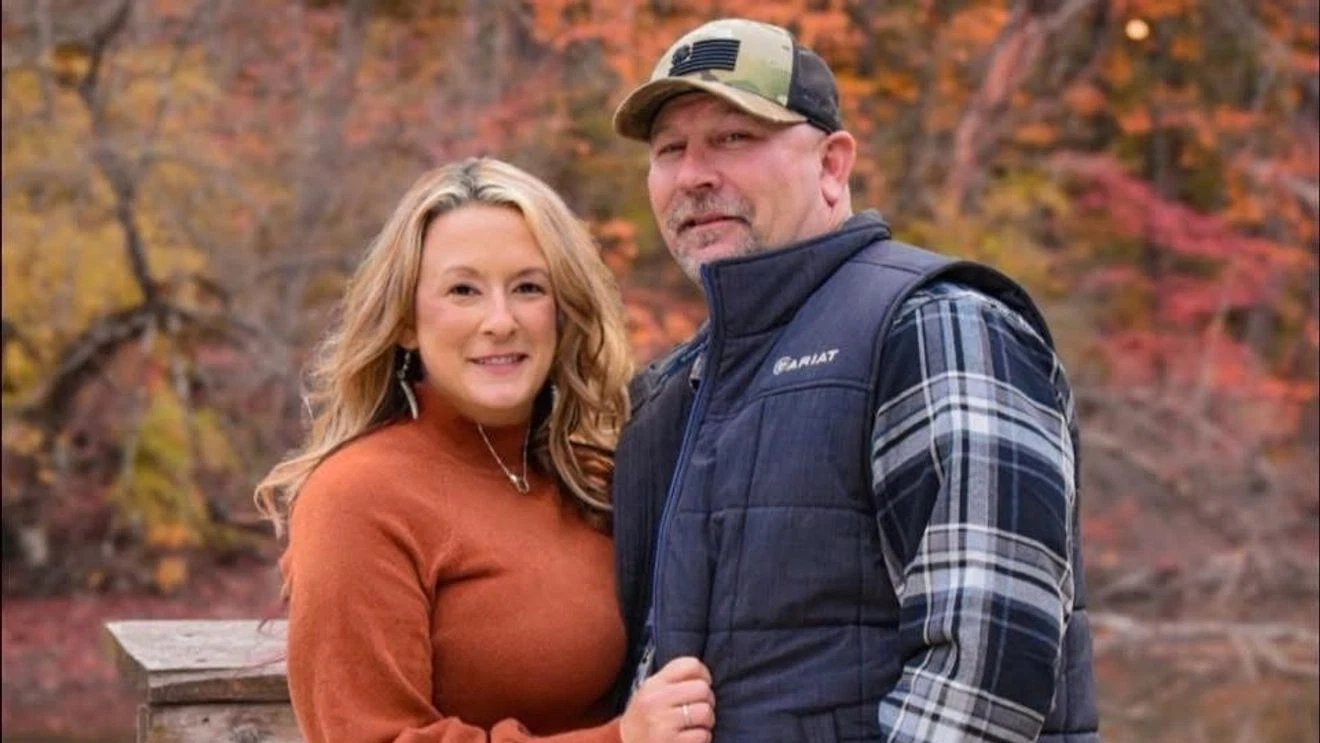
CINCINNATI — The modern cultural craze surrounding elective cosmetic enhancements and social media transparency has encountered a devastating reality check following the death of Rachel Tussey. The 47-year-old mother of three and prominent TikTok creator, who built an active online community documenting her personal wellness journey, passed away after suffering catastrophic post-operative medical complications.
Tussey routinely shared videos with her audience detailing her anticipation and underlying anxieties leading up to a scheduled elective “mommy makeover”—a combination procedure centered around an extensive tummy tuck (abdominoplasty). However, the highly anticipated cosmetic milestone rapidly descended into an unmitigated clinical emergency, culminating in irreversible brain damage, a weeks-long struggle on mechanical life support, and a formal wrongful death lawsuit filed by her grieving family.
From Anticipation to a Recovery Room Crisis
Operating under the popular digital pseudonym Midlife Unmuted, Tussey had cultivated a loyal following of tens of thousands on TikTok, using her platform to spread body positivity and lifestyle encouragement to women in their forties. In the hours preceding her scheduled surgery, she published her final video, eagerly telling her followers that the upcoming abdominoplasty was a transformation she had been waiting a very long time to execute.
The extensive multi-hour operation took place at JourneyLite Surgery Center, a private outpatient medical facility located in Evendale, Ohio. While initial updates immediately following the procedure indicated that the surgical intervention had concluded without unexpected anatomical abnormalities, the situation changed dramatically once Tussey entered the post-anesthesia recovery area.
According to detailed medical assessments and emergency services dispatch logs, Tussey’s physiological status deteriorated rapidly after being moved into an overnight monitoring suite. Her husband, who was present during the immediate recovery phase, noted that the patient suddenly lost facial color and became entirely unresponsive shortly after receiving heavy post-surgical pain management interventions. Clinical personnel scrambled to administer three separate doses of Narcan, an opioid-reversal medication, in a desperate attempt to counteract respiratory depression. As her oxygen levels plummeted, emergency medical services were summoned, and Tussey was transferred to Bethesda North Hospital. Medical specialists later determined that she had sustained a severe, irreversible hypoxic brain injury due to an opioid overdose that caused her to stop breathing during recovery. After minimal brain activity was detected, her family made the agonizing decision to withdraw life support, and she passed away while in hospice care.
Severe Legal Claims of Overmedication and Cover-Up
The tragedy has quickly transitioned into a major legal battle. A comprehensive civil lawsuit was officially filed on behalf of the Tussey estate against the private medical facility. The legal action alleges gross medical malpractice, specifically asserting that unqualified post-anesthesia care unit staff administered a fatal opioid overdose consisting of standard but combined high doses of Fentanyl and Dilaudid.
The lawsuit includes highly damaging claims of an institutional cover-up. The legal team representing the family alleges that facility personnel actively engaged in a practice colloquially referred to as “snowing” patients—administering heavily elevated doses of sedatives to overnight individuals to keep them sleeping continuously, effectively minimizing the amount of close oversight and direct clinical attention required from night-shift staff. Furthermore, the legal filing accuses the surgical center of altering or destroying critical internal personnel files and medical documentation after learning that a formal malpractice suit was being prepared.
Defenses Clash as Investigations Continue
The administration of the surgical center has vigorously pushed back against the lawsuit’s central allegations, characterizing the cover-up claims as entirely baseless and ridiculous. Leadership from the facility stated that an internal review indicates that the recovery room nurses closely followed standard, pre-approved physician orders for routine pain management. They argue that the administered amounts of pain medication fell completely within industry baselines and that if the patient had suffered a pure opioid overdose, the multiple doses of Narcan would have successfully revived her.
The facility’s medical director suggested that responsibilities regarding patient outcomes must also consider the lengthy, nine-hour duration of the combined surgery, shifting scrutiny toward the operating physician. Conversely, the performing plastic surgeon issued an independent statement highlighting that post-operative monitoring duties were completely overseen by staff contracted by the independent surgical center rather than his private practice. The surgeon has since suspended all medical procedures at the facility as a thorough regulatory investigation continues. As the legal battle moves into the discovery phase, the case stands as a sobering warning regarding the hidden operational risks of multi-procedure aesthetic enhancements conducted within private outpatient facilities.

