

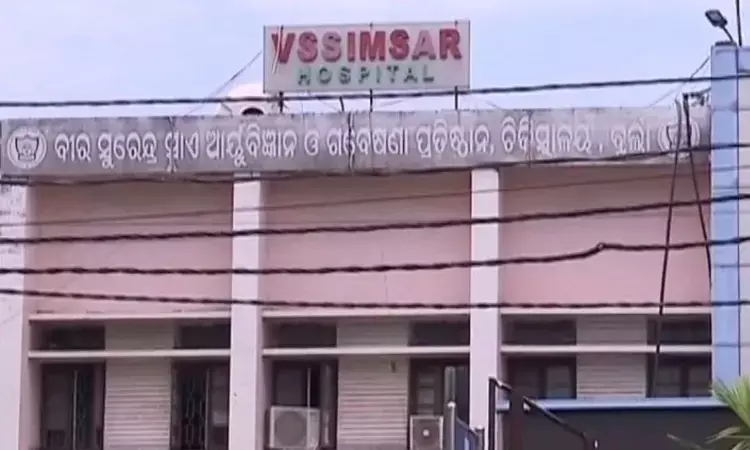
Maternal deaths at VIMSAR raise concern as authorities begin internal and state-level investigation
In a shocking development, seven pregnant women died within a span of one week at the Department of Obstetrics and Gynaecology of Veer Surendra Sai Institute of Medical Sciences and Research, triggering concern across Odisha’s healthcare system and prompting an official investigation by the state Health Department.
The deaths occurred between May 1 and May 6 at the government-run medical college and hospital in Burla, Sambalpur district. While the exact reason behind the sudden spike in maternal deaths remains unclear, authorities are investigating whether the fatalities were linked to treatment complications, underlying illnesses, medication-related issues, or systemic lapses in patient care.
Odisha Health Department seeks detailed report
Following the alarming incidents, the Odisha Health Department directed VIMSAR authorities to submit a detailed inquiry report explaining the circumstances surrounding the deaths.
An internal inquiry had already been initiated by the hospital administration on Tuesday. A joint review meeting involving the Chief District Medical Officer (CDMO) of Sambalpur and senior hospital officials was also held to assess the situation.
VIMSAR Director-in-Charge Prof. Lal Mohan Nayak termed the deaths “unfortunate” and stated that the hospital usually records six to seven maternal deaths every month. However, he acknowledged that the concentration of seven deaths within a short period had raised serious concerns.
“We will most likely submit the report by tomorrow,” he said.
Hospital denies medical negligence
According to preliminary findings, hospital authorities claimed there was no negligence on the part of doctors or medical staff. Officials stated that all seven women had severe pre-existing medical complications before admission.
The deceased women were from Sambalpur, Bargarh, Sonepur, Kalahandi, and Boudh districts. Four of them were aged between 25 and 30 years, while the others were 21, 31, and 38 years old respectively.
Among the seven women, two delivered babies through C-section procedures, while the remaining underwent normal deliveries.
Different medical complications reported in each case
Hospital officials shared preliminary details about the causes behind each death:
- Lalita Kisan reportedly suffered complications after a previous surgery. During six months of pregnancy, her uterus ruptured, leading to her death.
- Mamta Beh allegedly died due to complications arising from sickle cell anaemia and jaundice.
- Jayanti Meher underwent a normal delivery, but later developed a severe infection after amniotic fluid reportedly entered her chest and brain. Her newborn baby survived and is healthy.
- Suprabha Mahakud died due to pregnancy-related high blood pressure and critically low platelet count.
- Kadambini Sethi also succumbed to complications linked to hypertension during pregnancy.
- Alima Mahanand, who was five months pregnant, reportedly developed sepsis after consuming contraceptive pills while staying at home. She was shifted from Sonepur District Hospital to Bhima Bhoi Medical College in Balangir and later referred to VIMSAR, where she died in the ICU on May 4.
- Sarthi Dalpati developed severe anaemia-related complications after childbirth in Junagarh of Kalahandi district. Despite being referred to multiple hospitals and admitted to the ICU at VIMSAR, she could not be saved.
Internal review underway at VIMSAR
VIMSAR Superintendent Sunil Sharma stated that the institution conducts regular reviews of maternal deaths and that a detailed analysis is currently underway to determine whether there was any common factor behind the recent fatalities.
“We are regularly reviewing the deaths. After the review process is completed, we will be able to ascertain the reasons,” Sharma said.
The investigation is expected to examine treatment protocols, referral delays, emergency care management, and whether infrastructure or staffing challenges contributed to the deaths.
Rising concern over maternal healthcare in Odisha
The incident has sparked debate over maternal healthcare facilities and emergency obstetric care in Odisha, especially in tertiary government hospitals handling critical referrals from multiple districts.
Health experts believe that timely diagnosis, access to specialised care, management of high-risk pregnancies, and early referral systems remain crucial in reducing maternal mortality rates in the state.
The final inquiry report submitted by VIMSAR is expected to provide clarity on whether the deaths were isolated medical complications or indicative of broader healthcare concerns.

